Health & Fitness
Buying a Used Car
Tips on buying a Used Vehicle - Financing - CARFAX - AS-IS. Know the facts before you head out!
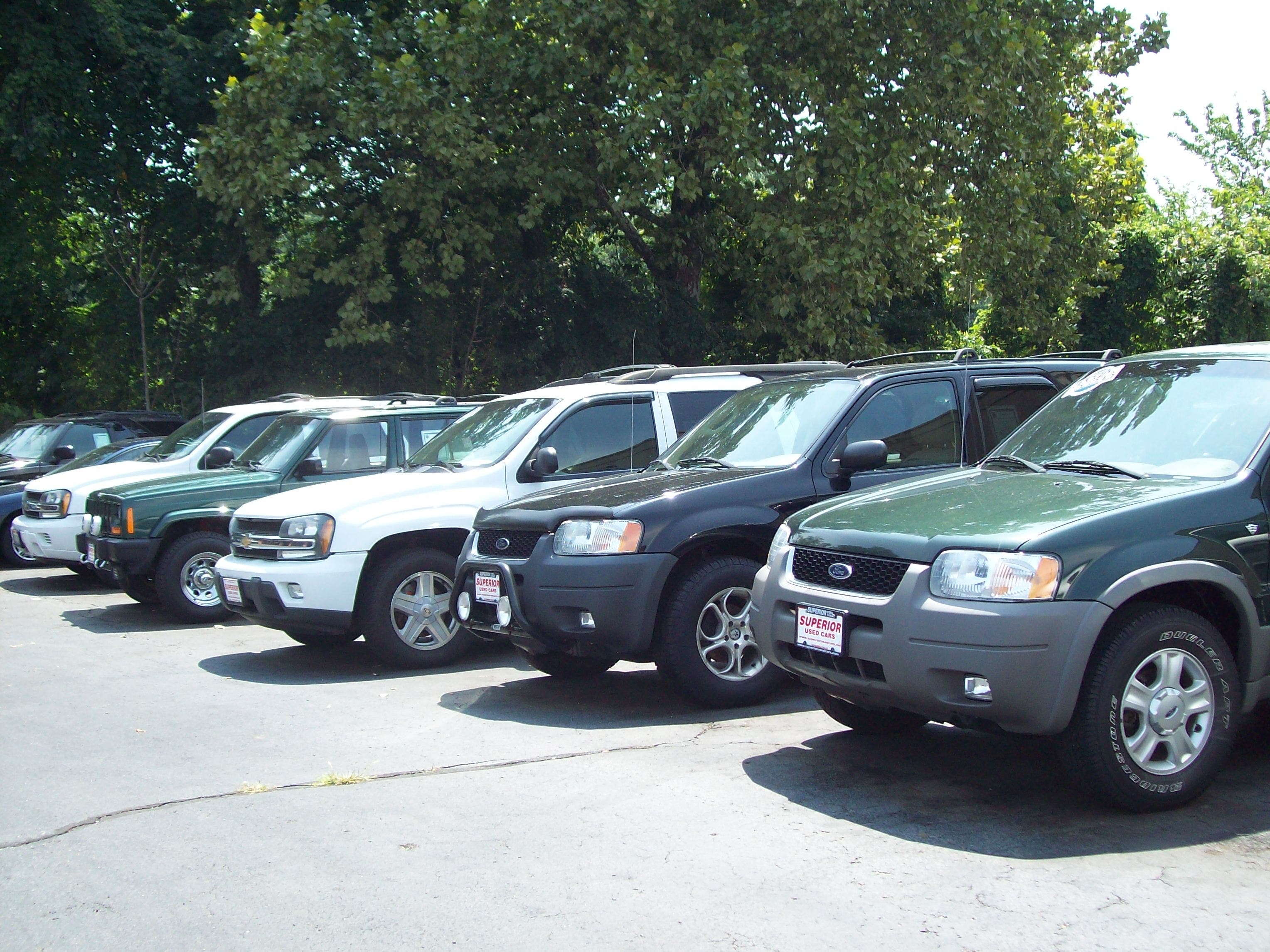
Today we will discuss used and new-car purchasing, what you need to know before you decide to buy, how to avoid common pitfalls, getting the best price and what to do if you have a problem with your purchase.
The first thing you must decide before you begin your automobile research is whether you want a new car or a used car. Of course, there are benefits and drawbacks on both sides. If you decide to buy a used car, there are several things you need to keep in mind.
First of all, there are more than 2 million car accidents annually and chances are if you are in the market for a used car, you will come in contact with at least one automobile that was in an accident. The most important thing about buying a used car is that you know everything about the history of the car, including:
Find out what's happening in Montgomeryville-Lansdalefor free with the latest updates from Patch.
- the number of previous owners
- if the car was ever involved in an accident
- any previous mechanical problems
- the maintenance history of the car
One of the largest benefits of buying a used car is that you can often get a great deal and in many cases, the car you buy may even be relatively new. Successful used car buyers often are just as happy with their used car as new car buyers are with a new vehicle. But remember, the most common car-buying horror stories do involve the purchase of used cars. When you have a good idea of what kind of car best fits your needs and budget, you can begin your research on used cars.
Finding a Used CarThere are several places to locate and buy a used car:
Find out what's happening in Montgomeryville-Lansdalefor free with the latest updates from Patch.
- a used car dealership
- a superstore dealership that specializes in used cars -- like CarMax or Hertz
- many new car dealerships also sell used cars
- used car Web sites like ConsumerGuide.com
- online and print classifieds
Keep in mind that classified listings are used by both dealers and individuals to sell used cars. Some dealers even post their used cars on used car Web sites. Person-to-person transactions through people you know, or via online and print classifieds can be a good option if you want to avoid a dealership. According to CarBuyingTips.com, no matter what option you go with, if you do decide to purchase a used car, there are four tasks that will increase your odds of success:
- Have a mechanic put the car up on a lift for a full inspection and to check for damage -- anything that might indicate a previous accident or possibly flood damage.
- Run a Vehicle History Report to get a full history of the car. You can get a Vehicle History Report at CARFAX.com. It will include everything you need to know about the car including: if it was ever salvaged, stolen or recalled the number of previous owners if it ever failed inspection if someone tried to create a fraudulent odometer reading
- "As Is" statement. As with anything that requires a signature, READ BEFORE YOU SIGN. You should have at least 30 days to make sure the car is in good condition. If you sign an "As Is" statement, once you drive the vehicle off the lot, anything that goes wrong is your problem.
- Have your own financing and loan approvals ready before you go to buy the car. (This can also be good if you're planning on making a new car purchase.)
If you follow these simple instructions, your used car-buying experience should go smoothly. Remember that buying a used car from a dealership is similar to buying a new car from a dealership. You want to be armed with all the relevant information before you buy any car, new or used.
Tomorrow - Buying from the Internet