Health & Fitness
Human Diagnosed With West Nile Virus In Montgomery Township
If confirmed by the CDC, it would be among the first human West Nile cases in the county in 2018.


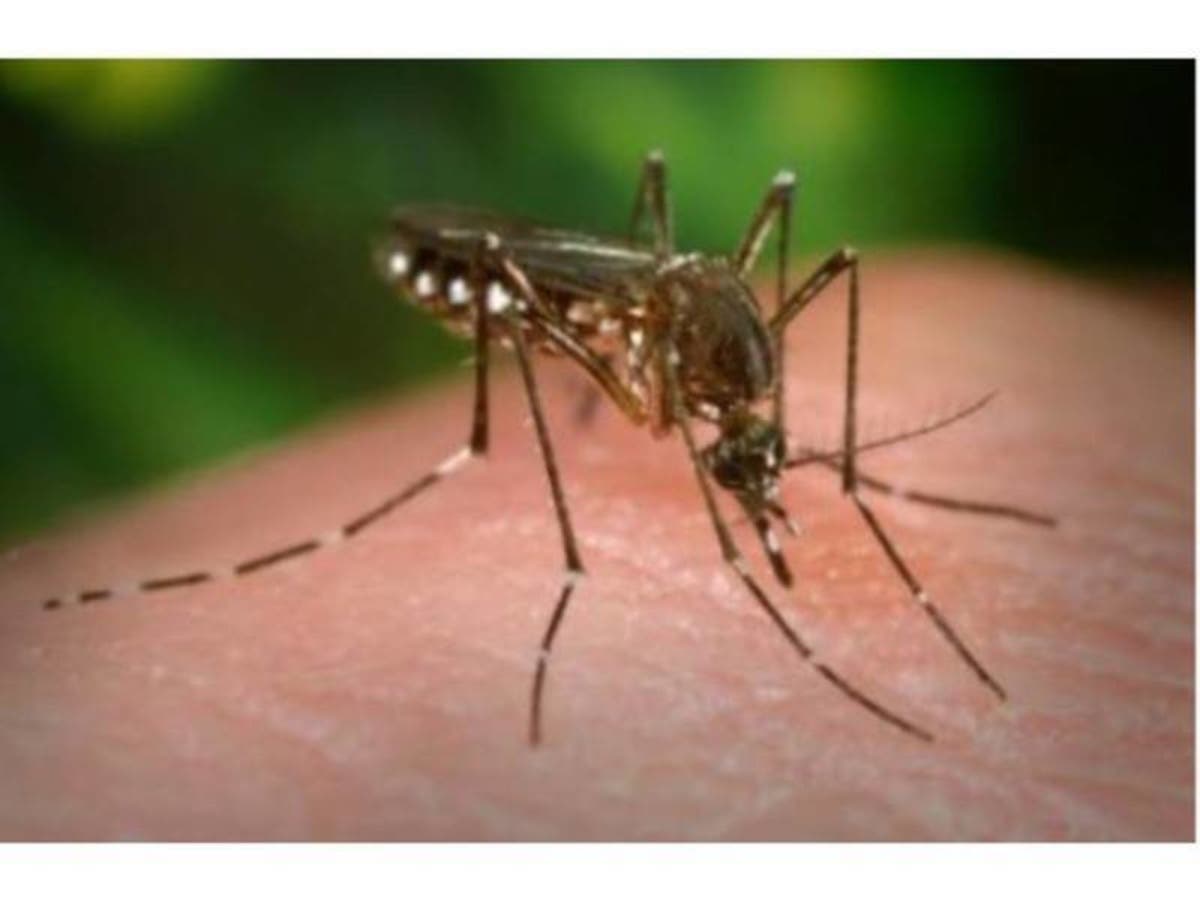
MONTGOMERY TOWNSHIP, PA — Two Montgomery County residents have been diagnosed with what is likely West Nile Virus, the county's Office of Public Health announced on Wednesday. If confirmed by the CDC, they would be the first human West Nile cases in the county in 2018.
The infected residents are a 59-year-old from Montgomery Township and a 66-year-old from Lower Merion Township.
There were 12 cases of West Nile Virus in Pennsylvania in 2017, and 16 in 2016. The last two cases in Montgomery County were both in 2016, according to statistics from the state's West Nile Virus Control Program. There have been at least four other confirmed cases in the state in 2018, not including the latest two.
Find out what's happening in Montgomeryville-Lansdalefor free with the latest updates from Patch.
State health officials said that overall, "higher than usual" occurrences of West Nile mosquitoes have been found in 2018 in Montgomery County, and that conditions were likely to remain elevated over the next few months.
The county added that they are continuing to focus spraying and population control efforts on areas where mosquitoes pose the greatest risk to human health.
Find out what's happening in Montgomeryville-Lansdalefor free with the latest updates from Patch.
According to the CDC, about one in five people who are infected develop a fever and other symptoms. About one out of 150 infected people develop a serious, sometimes fatal, illness. You can reduce your risk of West Nile Virus by using insect repellent and wearing long-sleeved shirts and long pants to prevent mosquito bites, the CDC said.
West Nile virus appeared for the first time in Pennsylvania in birds, mosquitoes and a horse in 2000.
West Nile can cause febrile illness, encephalitis (inflammation of the brain) or meningitis (inflammation of the lining of the brain and spinal cord), according to the CDC. The elderly and those already sick are those most vulnerable to the virus.
Image via Shutterstock
Get more local news delivered straight to your inbox. Sign up for free Patch newsletters and alerts.