Community Corner
Tips For Driving In Heavy Rain During The Commute
Precipitation causes more than 1 million accidents per year. Check out AAA's safety tips for driving in this kind of weather.


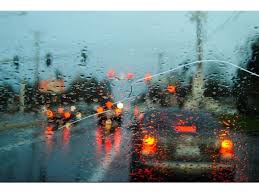
PHILADELPHIA, PA -- The National Weather Service has issued a Flood Watch for most of southeastern Pennsylvania, beginning Wednesday afternoon through Thursday afternoon, making for challenging trips to and from work.
“Motorists view rain storms as more of an inconvenience than a hazard,” said Jana L. Tidwell, Manager of Public and Government Affairs for AAA Mid-Atlantic, in a news release. “As a result, drivers tend to be less cautious than they should be, say after a snow storm. The most important steps to take when driving in wet weather are to buckle up, slow down, and keep a safe distance from the car in front of you.”
A new AAA Foundation research report (Motor Vehicle Crashes, Injuries and Deaths in Relation to Weather Conditions) found that rain, snow, sleet and fog are a factor in more than 1.1 million police-reported crashes, 425,000 injuries and 5,100 traffic deaths per year.
Find out what's happening in Montgomeryville-Lansdalefor free with the latest updates from Patch.
Potential flooding and a total of up to two inches of rain during the mid-week storm have led AAA to release a list of tips for drivers braving the commute.
- Check your wipers – Before leaving the house, make sure your windshield wipers are working properly.
- Slow down - Drivers are more likely to lose control of the vehicle when roads are wet.
- Increase following distance – This is even more important when driving near vans, recreational vehicles and cars pulling trailers that may be adversely affected by the wind.
- Break early - Breaking early, but not hard, will allow the time needed to slow the car.
- Never drive through standing water - Standing water can be deceiving and motorists should avoid it. No matter how shallow it may appear, water may be hiding downed power lines, may be deeper than it appears, or have significant force from flooding, etc.
- Drive with greater caution and alertness - Keep your eyes and mind on the road.
- Watch for hydroplaning - No car is immune from hydroplaning on wet surfaces, including four-wheel drive vehicles. Even if brakes work under normal conditions that doesn’t mean they will react the same on slippery roads where tires roll with less traction.
- Use your defroster - Keep the air inside your car dry and prevent windows from fogging by using your defroster along with your air conditioner.
- Take the nearest exit - If conditions worsen to the point where there is any doubt about your safety, take the nearest exit. Don’t just stop on the shoulder or under a bridge. If your visibility is compromised, other drivers may be struggling too.
- Six inches - As little as six inches of water can cause you to lose control of your car and potentially stall your engine.
- Slowing down in the rain also minimizes car repairs. Many motorists try to move fast through drivable puddles, but it’s actually better for your car if you go slowly. Driving fast can force the water to splash up into your car’s undercarriage and cause damage. Your vehicle could suffer electrical problems and other issues caused by water damage - and many of the repairs involve SUV’s because people mistakenly think they are safe to drive through standing water.
- When driving on pothole-filled roads, hold the steering wheel firmly to avoid losing control.
- Fumes and oil leaks that build up on dry pavement rise to the surface of the road when it rains, making the road far slicker than it may seem.
Find out what's happening in Montgomeryville-Lansdalefor free with the latest updates from Patch.
Get more local news delivered straight to your inbox. Sign up for free Patch newsletters and alerts.