Crime & Safety
Overdose Deaths Up 37 Percent In Pennsylvania: DEA
It's a sobering fact: approximately 13 Pennsylvanians died of overdose each day in 2016, officials said Thursday.


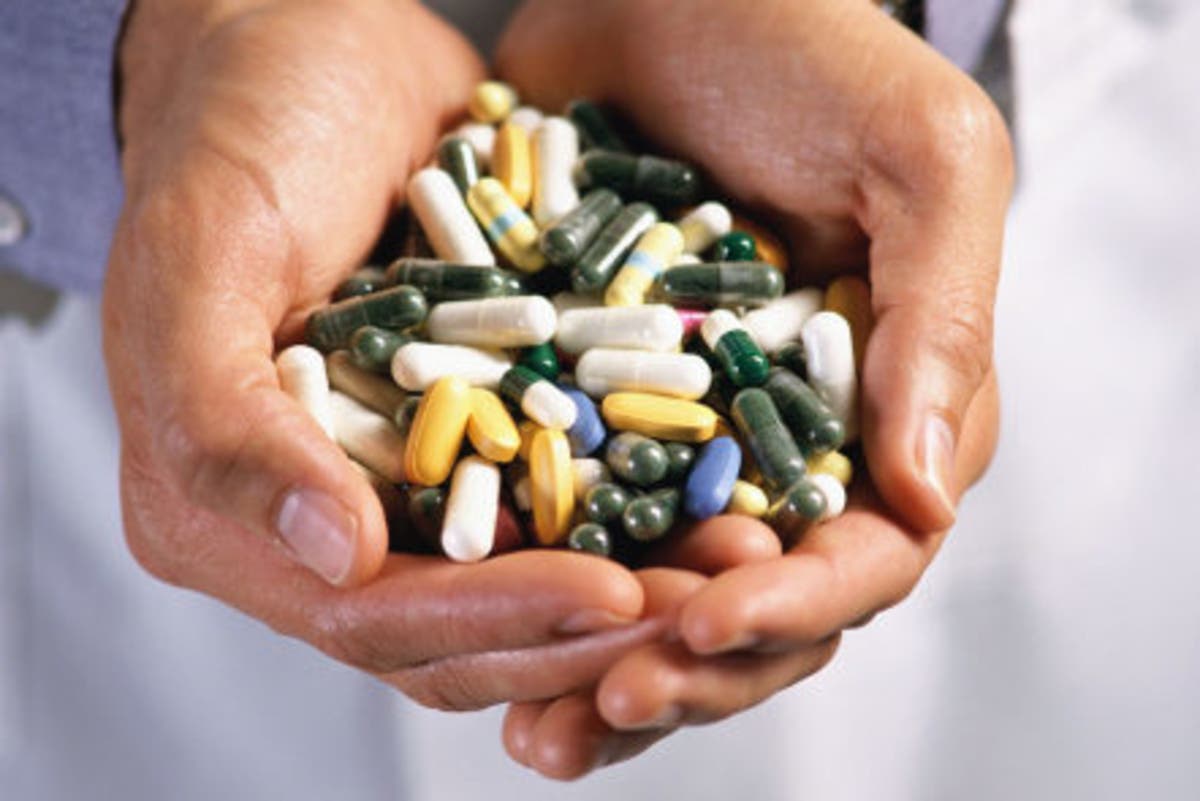
Overdose deaths were up 37 percent in Pennsylvania in 2016, officials with the Drug Enforcement Administration announced Thursday.
There were 4,642 drug-related overdose deaths — approximately 13 people a day — in Pennsylvania in 2016, said Gary Tuggle, special agent in charge of the DEA’s Philadelphia Field Division. That's a 37 percent increase from 2015 and establishes a death rate for 36.5 per 100,000 people.
The deaths were reported by coroners and medical examiners.
Find out what's happening in Levittownfor free with the latest updates from Patch.
More specifics on the troubling issue will be made available when the DEA releases its Analysis of Drug-Related Overdose Deaths in Pennsylvania 2016 report later this month. That report was prepared with the assistance of the University of Pittsburgh’s School of Pharmacy, Program Evaluation Research Unit, Technical Assistance Center, and provides extensive public health data analysis into the opioid epidemic, the DEA said.
However, officials have offered a glimpse into some of the disturbing trends that will be revealed in the report: prescription or illicit opioids was identified in 85 percent of the overdose deaths.
Find out what's happening in Levittownfor free with the latest updates from Patch.
Fentanyl and fentanyl-related substances were involved in 52 percent of the deaths, which is more than heroin (implicated in 45 percent of deaths).
Also, younger Pennsylvanians were impacted significantly by overdose in 2016, the report found. People ages 15 to 24 had a 380 percent increase in their odds of a fentanyl-related death than other age groups, while individuals aged 25 to 34 had a 970 percent increase in their odds of dying of a heroin-related overdose when compared to other age groups.
“The Commonwealth of Pennsylvania is in the midst of an unprecedented epidemic of drug abuse and drug-related overdose deaths that impacts every corner of the state and all of its residents,” said Tuggle. “The collection, analysis, and dissemination of this data contributes to a robust information sharing environment amongst the fields of law enforcement, public health, treatment, and public policy, all of whom are working together to address the drug crisis in Pennsylvania.”
Get more local news delivered straight to your inbox. Sign up for free Patch newsletters and alerts.