Schools
Keeping Great Valley Kids Healthy: National Backpack Awareness Day
Is your child's backpack too heavy?


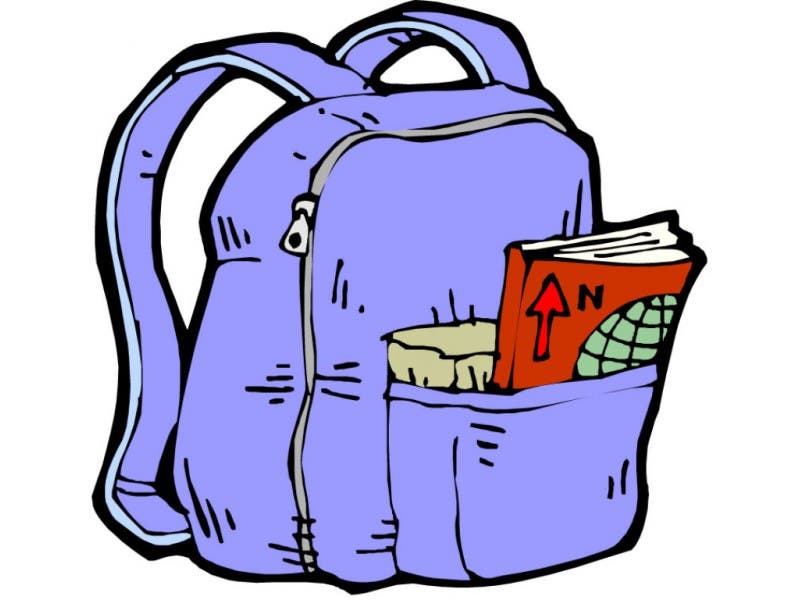
Wednesday is National School Backpack Safety Awareness Day, and medical professionals want to make sure that kids in Chester County, and around the country, are being safe and staying healthy.
With roughly 14,000 children a year treated for backpack-related injuries (estimated by the US Consumer Product Safety Commission), backpack safetyeducation is of the upmost importance, according to Aria Health.
Frank Mallon, PT, DPT, and physical therapy supervisor from the Aria 3B Orthopaedics Institute has developed a sampling of tips to help parents not only select the best backpack for their child, but also promote backpack safety throughout the year.
Find out what's happening in Malvernfor free with the latest updates from Patch.
- Size.
When purchasing a backpack, the size matters! The backpack should be sized appropriately to your individual child. To assist in the selection process, have your child try the back pack on to make sure it does not exceed the size of your child’s back. It also should not hang below their lower back.
- Wide, padded and adjustable.
When selecting a backpack, take a look at the shoulder straps and make sure they are wide, padded and adjustable. It’s also recommended that the backpack have two straps vs. one strap. Bags with only one strap can cause a strain on one side of the body that can lead to injury. Also, backpacks that have straps to clip around the waist and chest are excellent, as these extra straps help to evenly distribute weight over the back, neck and shoulders.
Find out what's happening in Malvernfor free with the latest updates from Patch.
- Light material and minimal pockets.
Backpacks made with a lightweight material such as canvas or vinyl can help reduce the weight of the backpack. It’s also recommended that the backpack does not contain an unreasonable amount of pockets, as these extra pockets can be filled with unnecessary items your child may not need.
- Pack the heaviest items closest to the back.
Keeping the heaviest items closest to the child’s back will help your child balance the weight of the backpackappropriately. Place items in the backpack in size order, keeping the largest items like text books and laptops towards the back of the bag, and smaller items like chargers and pencils towards the front.
- Check for weight and unnecessary items.
Once a week, check your child’s backpack to make sure there are no unnecessary items that are adding weight to the bag. Also, consider weighing the bag to help your child avoid overload injuries, which even include spinal curvatures. Backpacks with two straps should be no more than 15 percent of your child’s body weight and those with one strap should weigh no more than 10 percent.
- Show your child how to wear the backpack.
A backpack with two straps should always be worn with both straps to ensure the weight is distributed evenly. Also, make sure the straps are tight enough so that it does not hang below your child’s lower back, but loose enough to provide free movement of the arms. The bag should also be able to taken on and off without struggle.
- Watch for warning signs.
Take note if your child is exasperated when they take their backpack off and if they walk bent forward when wearing it. A backpack should never impact your child’s posture or cause distress. Also, be aware of complaints of pain in the back, neck or shoulders or even numbness in the arms. If you see these signs, take a look at what is in your child’s bag to uncover possible solutions that can help avoid injury.
Get more local news delivered straight to your inbox. Sign up for free Patch newsletters and alerts.