Politics & Government
EMS Overhaul Proposed In Media, Delco Towns: Funding, Structure, Details Rolled Out
Crozer's shutdown left Delco scrambling for ambulance services. A regional alliance has been proposed as a longterm solution.


WALLINGFORD, PA — When Crozer Health was in business, emergency-medical services came with minimal tax impact in Delaware County. But all it took to end it was a West Coast company going bankrupt.
The end of Crozer, which folded last year, significantly cut Delco's EMS capacity, putting residents at risk during medical emergencies when every second counts.
Six towns, including Media, have discussed forming a regional EMS service governed by a local board and funded through insurance payouts and a flat fee for residents and property owners. The entity's working title is the Delaware County Emergency Services Authority (Delco ESA).
Find out what's happening in Mediafor free with the latest updates from Patch.
The regional authority could form early next year, serving Media, Nether Providence, Rose Valley, Rutledge, Swarthmore and Upper Providence.
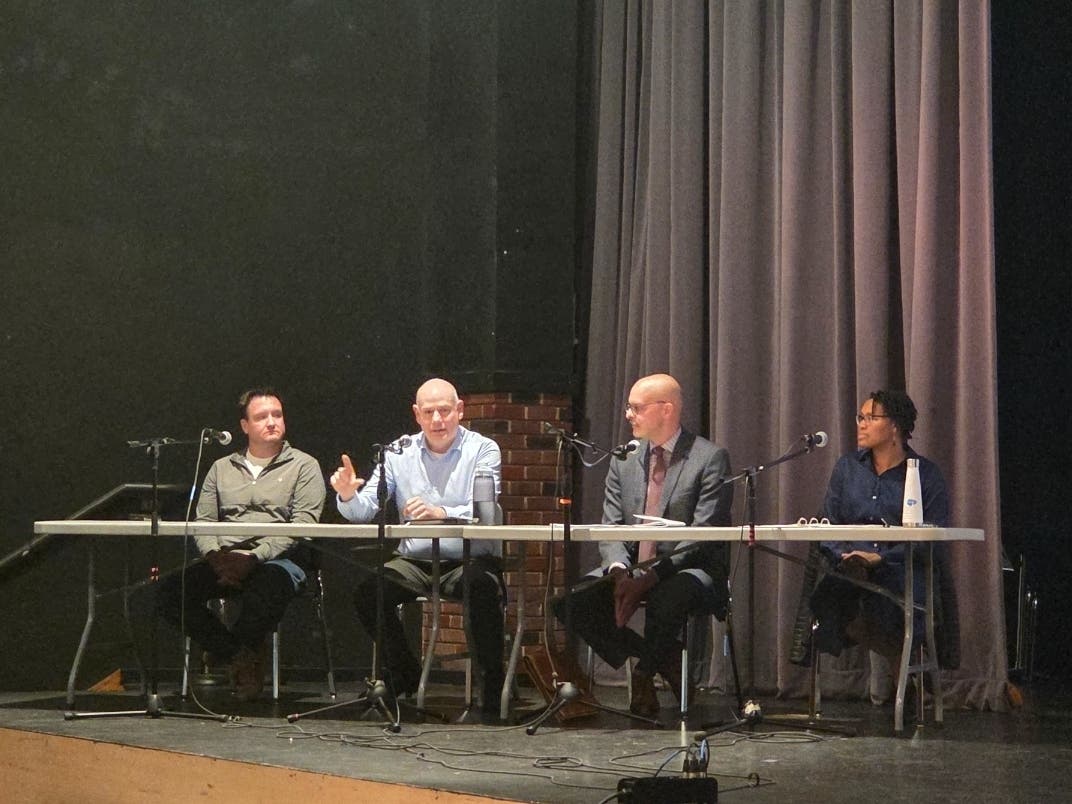
Members of the regional entity's working group presented recommendations for the new system during a public meeting Thursday, attended by about 200 residents.
Find out what's happening in Mediafor free with the latest updates from Patch.
Unlike Crozer, which was owned by Los Angeles-based Prospect Medical Holdings, Delco ESA would be accountable to local residents, said Swarthmore Mayor Conlen Booth.
"Crozier closing demonstrated what happens when essential public services depend on private-sector decisions made far from the communities they serve," Booth said.
Media's EMS capacity was less impacted by Crozer's shutdown, since the borough's fire departments provide that service.
But a regional alliance would provide more-stable funding, while freeing up funds for other uses, said Borough Manager Brittany Forman, a Delco ESA working group member.
The Proposal
Delco ESA is designed to provide sustainable service for the six towns in discussions to join. It is modeled after MESA — a similar authority serving several towns in Lancaster County.
The authority has not yet been formed. Currently, a working group of local officials and emergency-service personnel is developing recommendations for the proposed entity.
As proposed, much of Delco ESA's funding would come from the health insurance of those who use the service. The remaining cost would be covered by a flat, per-property fee.
Delco's fee costs haven't been determined. Lancaster County's service currently charges $87 per household annually, according to the working group.
Patients would still get billed for services. But Delco ESA would slash bills in half for residents of the six member towns who are uninsured or if they're paying off a deductible.
Property rates would be determined by 911 call volume. For example, households would pay different fees than hospitals or nursing homes, which would be assessed by their number of beds.
The working group has recommended keeping rates flat for four or five years.
Working Title Causes Confusion
On Thursday, several residents called the title of "Delco ESA" confusing, since it only serves part of the county and only governs ambulance services, rather than fire or police.
Members of the working group admitted they struggled to come up with a name. For instance, "Delco EMS" — abbreviated as "DEMS" — made it sound like a Democratic Party operation, rather than a service for all residents.
But the working group is just making recommendations. And different parties would determine the authority's name and policies later.
What's Next
In June or July, the governing bodies of each municipality will vote on whether to join the regional authority.
Then, the authority itself would be established — likely governed by a six-person board, with each municipality appointing one member.
Public hearings on the authority's structure and fees would take place in the summer and fall. If approved, the authority is expected to begin providing services early next year.
Get more local news delivered straight to your inbox. Sign up for free Patch newsletters and alerts.