Traffic & Transit
Overnight Lane Shift Scheduled At New Hope-Lambertville Toll Bridge
Once implemented, the travel changes will mark a new milestone in the execution of All-Electronic Tolling (AET).


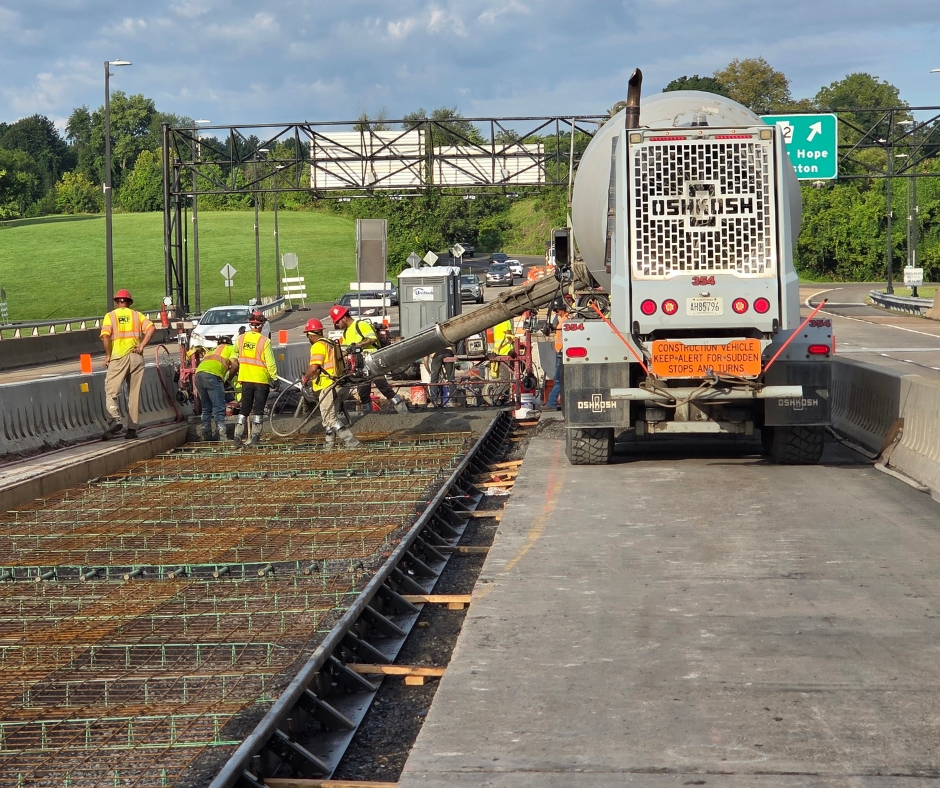
NEW HOPE, PA. – A series of traffic shifts and width restrictions are scheduled at the New Hope-Lambertville (Route 202) Toll Bridge between Thursday evening and early Friday morning, Sept. 10-11, the Delaware River Joint Toll Bridge Commission announced on Tuesday.
Once implemented, the travel changes will mark a new milestone in the execution of the New Hope-Lambertville Toll Bridge All-Electronic Tolling (AET) Conversion and Pennsylvania Abutment Backwall Replacement Project. The multi-faceted project has been underway at the bridge since the summer of last year and is expected to be completed during the first half of 2027.
Currently, the bulk of the work is taking place in a cordoned zone that separates single lanes of northbound and southbound traffic on the bridge and its recently opened AET gantry in Pennsylvania. This split travel pattern has been in place since June.
Find out what's happening in New Hope-Lambertvillefor free with the latest updates from Patch.
Later this week, a new travel pattern will be created through a series of lane shifts. The lane shift at or near the bridge is expected to begin around 6 p.m. on Thursday and end around 6 a.m. on Friday, weather permitting. Motorists using the bridge overnight could experience slowdowns and brief stoppages. Travel delays – if any – should be minor since traffic volumes are extremely light at the bridge during overnight hours.
Drivers are urged to reduce speeds, observe posted signs, and avoid distractions when approaching and traveling through active work zones.
Find out what's happening in New Hope-Lambertvillefor free with the latest updates from Patch.
%20Progress%20Photo%20-%20Concrete%20Testing.png)
Work continues on the New Hope-Lambertville Route 202 toll bridge. (Delaware River Joint Toll Bridge Commission)
The new travel patterns are expected to be as follows:
- Northbound (New Jersey-bound) – In the toll-collection area, northbound traffic will remain confined to a single lane. However, the lane will be shifted upstream immediately adjacent to the toll-collection zone for southbound traffic. A concrete barrier will separate the two traffic directions at this point. Meanwhile, a more radical shift of northbound traffic will occur on the bridge. The single lane of northbound traffic currently positioned on the structure’s downstream side will be shifted to run immediately adjacent to the southbound travel lane on the bridge’s upstream side. The two opposing lanes will be separated by double yellow lines and delineators along the entire length of the bridge.
- Southbound (Pennsylvania-bound) – Southbound traffic will continue to cross the bridge in the same lane on the structure’s upstream side. Southbound traffic, however, will fan out to two travel lanes at the new AET tolling area. Traffic in that direction has been confined to a single lane in that area since the project’s start last summer.
New Width Restrictions
In tandem with the traffic shifts, new vehicle-width restrictions will be established at the bridge: a 10-foot width limit in the N.J.-bound (northbound) direction, and an 11-foot width limit in the PA.-bound (southbound) direction.
The new travel restrictions are expected to remain in place until early next year, allowing the project contractor to execute a new stage of work activities. This will involve reconstruction of the downstream half of the bridge’s Pennsylvania abutment and removal, realignment and landscaping of the former northbound approach on the bridge’s Pennsylvania side.
The project to convert the New Hope-Lambertville (Route 202) Toll Bridge to an open-road, cashless AET facility and make other safety improvements is proceeding as scheduled. A new highway-speed toll gantry opened in June. Additional project achievements have included demolition of the bridge’s former cash-collection toll plaza, repairs and improvements to the upstream portion of the bridge’s PA abutment, and realignment, reconstruction, and repaving along a portion of the bridge’s PA approach. All construction is expected to end during the first half of 2027. By that time, the bridge and its approaches will return to two lanes in each direction in a straightened roadway configuration. Any remaining project-related speed and size restrictions would then expire.
Slightly more than 10,000 vehicles per day cross the bridge, which holds the distinction of having the highest E-ZPass rate (nearly 94 percent of transactions) among the commission’s eight toll bridges.
Get more local news delivered straight to your inbox. Sign up for free Patch newsletters and alerts.