Health & Fitness
Prescription Drugs: “Just Say No?”
Prescription drugs are again in the front pages of the news.
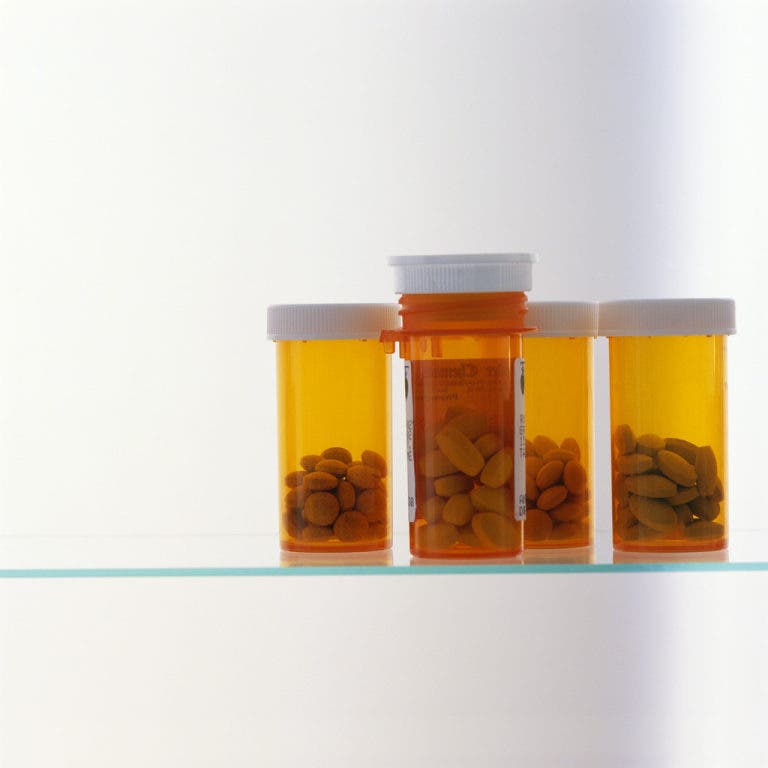
Yet another music icon has tragically died from possible accidental overdose of prescription drugs, according to the media reports. Countless celebrities and athletes have been profiled over the years in regards to addiction to various substances. How can prescription drugs be so dangerous? If pharmaceutical companies are making something good for some people, how can it be bad for others? Let’s talk about this and more in today’s health blog from Performance Spine and Sports Medicine of Newtown. http://www.pssmnewtown.com/
There are many types of pain medications such as acetaminophen, NSAIDs (such as ibuprofen), however opioids are probably the most notorious. The term opioid is derived from the word “opium”. Historically, opioids have been the mainstay in the treatment of pain for hundreds of years. Our bodies have a naturally occurring form of pain relief using endorphins. Therefore opioids exert their effects by mimicking our body’s natural endorphins. This response of our body to opioids explains the pain relieving results. However the body’s natural system also can be influenced by the powerful rewarding and addicting properties of opioids.
I do believe that pain medications such as Percocet have a therapeutic value in the management of pain, particularly post operative pain. However if you are a parent reading this blog post, or a teenager, I would hope that this post can help you understand a bit more of the reasons why caution should always be advised when dealing with these types of medications.
Find out what's happening in Newtownfor free with the latest updates from Patch.
Heroin, Oxycontin, morphine (Avinza), Roxicodone, oxycodone/acetaminophen (Percocet), hydrocodone/acetaminophen (Vicodin), hydromorphone(Dilaudid), fentanyl (Duragesic). These are all opioids. Heroin is illegal for many reasons, and everyone would agree that it is highly addictive. However, the others can also be highly addictive. In Europe, heroin is the most highly abused opioid. In North America, however, illegally diverted prescription opioids such as the ones I listed, are increasingly the primary illegal opioids.
Among high school seniors in America, approximately 10 percent have used Vicodin non-medically. An estimated 63 million Americans have used a prescription opioid for nonmedical purposes in their lifetime. In 2003 studies showed that opioids were only second to marijuana as the most frequently abused illicit drugs among high school seniors. Nearly a third of teens believe that prescription pain killers are ‘not addictive’. More than half of teens don’t agree strongly that using cough medicines to get high is risky.
Find out what's happening in Newtownfor free with the latest updates from Patch.
http://www.goodmedicinebadbehavior.org/download/DEA-PillBook-2010.pdf
There is a national epidemic in prescription drug abuse in our country. The effects of abuse are not limited to a ‘high’. The brain has a natural mechanism to respond to elevating levels of carbon dioxide by causing our bodies to breathe. Opioids can powerfully suppress this responsiveness which is a leading mechanism in opioid related deaths. Often times other sedating drugs (such as Xanax), are taken together and the combined effect is tragic. Prescription opioid addiction, even when not fatal, can destroy individuals and families. Diversion (illegal selling) of prescription pain medications is a billion dollar industry in America. The street value of some prescription pain killers can be $80 a pill.
- Talk to your children about the dangers of addiction, overdose, and death from prescription pain killers.
- Do not store your pain medications, or benzodiazepines (such as Xanax, Valium) in the same medicine cabinet that other drugs may be stored. A hidden location, or preferably a locked safe would be a better deterrent. Remember, even friends or relatives who visit may be tempted if medications are easy to find.
- If you had an old prescription for pain killers, throw them away. The FDA has a site that gives information on safe disposal. http://www.fda.gov/ForConsumers/ConsumerUpdates/ucm101653.htm
- Do not let another person have your prescriptions. It is illegal. You may have good intentions, but by doing this some people may inadvertently add fuel to the fire of someone’s addiction. Moreover, it may result in the discharge of that person from his/her doctor’s practice.
- If you have been prescribed pain medications for a legitimate cause, such as post operative pain, and yet your pain is not controlled with the prescribed dose, do not simply take two or three tablets/capsules at once without first discussing it with your doctor. Certain medications are combination type drugs with a potentially toxic effect above certain doses.
- If you have chronic pain and are taking escalating doses of opioids, and are worried about how to stop taking it without terrible withdrawal symptoms, talk to your doctor. There are resources available such as Suboxone therapy which can safely detox patients from high doses of opioids.
Join me next post as I resume my journey of post ACL reconstruction.