Health & Fitness
Pennsylvania Part Of Multi-State E.Coli Outbreak, CDC Says
Two cases of E.coli are being investigated in Pennsylvania, which is part of a multi-state outbreak, the CDC has confirmed.


Two cases of E.coli have been confirmed in Pennsylvania, which is part of a multi-state outbreak of the infection currently under investigation by the Centers for Disease Control. A total of 17 cases in seven states are a part of the federal investigation.
A specific food, grocery store, or restaurant chain has not been identified as the source of infections, the CDC said. Sources at the federal, state and local level declined to provide details to Patch about the locations of the infections.
The illnesses began in late March, between the 22nd and 31st of the month, according to the CDC. It is possible there are more illnesses; cases that began after March 27 may have not yet been reported or confirmed, federal health officials say.
Find out what's happening in Newtownfor free with the latest updates from Patch.
Federal officials deferred specific questions about the locations of the Pennsylvania infections to the state health department. PA Department of Health Press Secretary Nate Wardle declined to provide details "due to the ongoing investigation."
"The Pennsylvania Department of Health is working closely with our federal partners, including the Centers for Disease Control and Prevention and the Food and Drug Administration as part of this investigation," Wardle said.
Find out what's happening in Newtownfor free with the latest updates from Patch.
Also unknown is what may have caused the illnesses in Pennsylvania. The CDC said residents do not need to avoid any specific types of food or restaurants. "We will update our advice if a source is identified," the CDC notes on its website.
Other states that are part of the outbreak include New Jersey, Connecticut, Washington, Idaho, Missouri, and Ohio. The highest number of cases have been reported in New Jersey, where six infections have been confirmed by the CDC.
Local health officials in New Jersey have indicated the cause of the illness could have stemmed from a chain restaurant, specifically Panera. Federal officials are not confirming such details. (RELATED: Panera Bread Possible Culprit In E. Coli Cases In 4 NJ Counties)
People usually get sick from E.coli between two and eight days after swallowing the germ. Symptoms include diarrhea, severe stomach cramps and vomiting. Most people recover within one week, according to federal health officials.
Some illnesses last longer and can be more severe, resulting in a type of kidney failure called hemolytic uremic syndrome, the CDC warns. "HUS can occur in people of any age but is most common in young children under 5 years, older adults, and people with weakened immune systems."
Symptoms of HUS can include fever, abdominal pain, pale skin tone, fatigue and irritability, small, unexplained bruises or bleeding from the nose and mouth, and decreased urination.People who experience these symptoms should seek emergency medical care immediately.
The CDC advises that anyone who has symptoms of E.coli should write down what they ate in the week before they became sick. The illness should be reported to the local health department.
The CDC offers these tips to avoid exposure to the bacteria:
- Wash your hands. Wash hands after using the restroom or changing diapers, before and after preparing or eating food, and after contact with animals.
- Cook meats thoroughly to kill harmful germs. Cook steaks and roasts to at least 145˚F and let rest for 3 minutes after you remove meat from the grill or stove. Cook ground beef and pork to at least 160˚F. Use a food thermometer to check the temperature of the meat.
- Don’t cross-contaminate food preparation areas. Thoroughly wash hands, counters, cutting boards, and utensils after they touch raw meat.
- Wash fruits and vegetables before eating, unless the package says the contents have been washed.
- Avoid raw milk, other unpasteurized dairy products, and unpasteurized juices.
- Don’t prepare food or drink for others when you are sick.
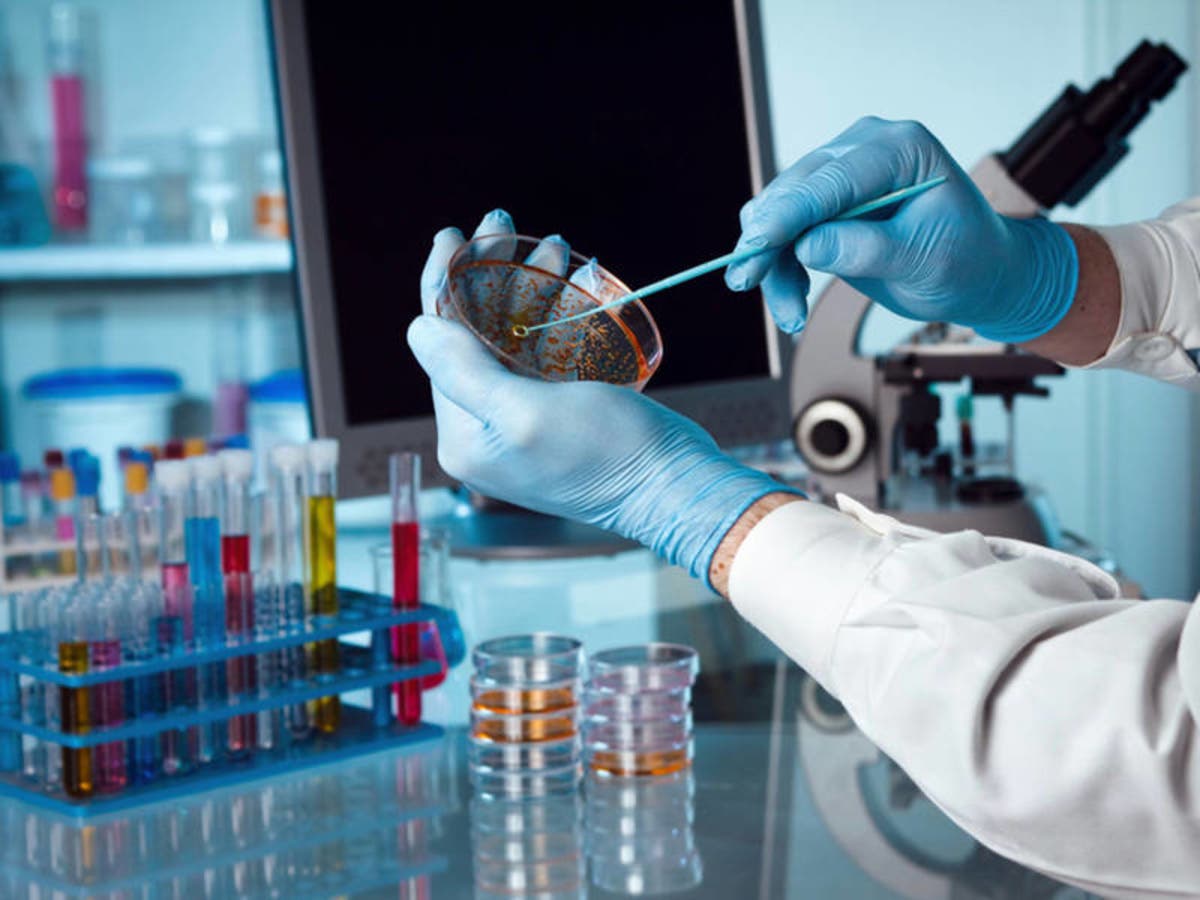
Image via Shutterstock
Get more local news delivered straight to your inbox. Sign up for free Patch newsletters and alerts.