Home & Garden
West Nile Mosquito Spray Planned Friday In Wrightstown
The Bucks County West Nile Program announced Monday it will be spraying for mosquitoes in Wrightstown Township this Friday.


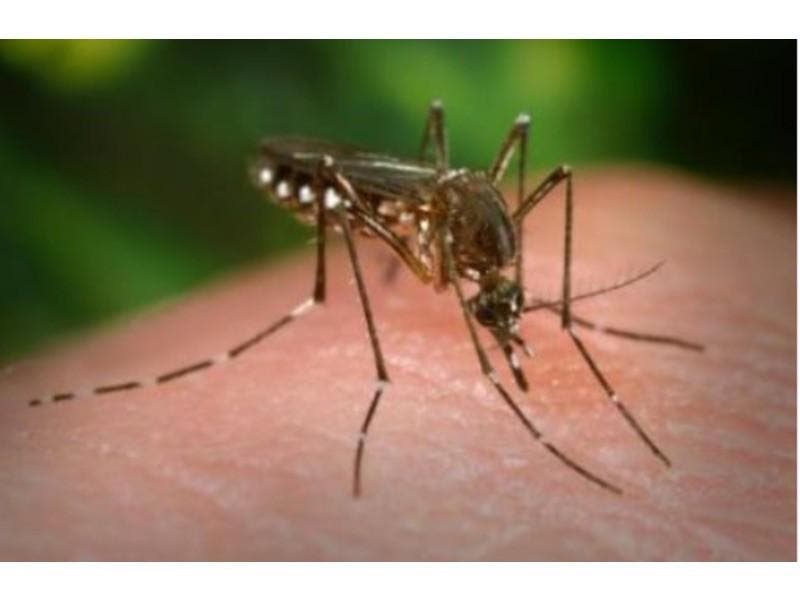
The Bucks County West Nile Program announced Monday it will be spraying for mosquitoes in Wrightstown Township this Friday.
There will be "an ultra-low volume mosquito control operation" to reduce high populations of mosquitoes capable of transmitting West Nile Virus, according to information from the county.
Phil Smith of the Bucks County Health Department said the area to be sprayed includes the Grange fair grounds and the Wrightstown Township maintenance building.
Find out what's happening in Newtownfor free with the latest updates from Patch.
According to the county, the treatments will be administered via truck-mounted equipment, spraying residential and recreational mosquito habitat. The equipment dispenses Duet Dual-Action Adulticide at a rate of 0.75 ounces per acre.
"The product is designed to provide quick, effective control of adult mosquito populations. The application material has a very low toxicity profile to mammals and will have negligible impact to non-target insects and the environment," the announcement said.
Find out what's happening in Newtownfor free with the latest updates from Patch.
Weather conditions could delay the spray. If weather conditions prevent the spray from happening on Friday, it will be done the next day.
So far in 2016, West Nile virus has been detected in the following counties: Adams, Allegheny, Beaver, Berks, Blair, Bucks, Cambria, Centre, Chester, Cumberland, Delaware, Fayette, Franklin, Indiana, Lancaster, Lebanon, Lehigh, Luzerne, Lycoming, McKean, Montgomery, Northampton, Philadelphia, Schuylkill, Warren and York.
Individuals can take a number of precautionary measures around their homes to help eliminate mosquito-breeding areas, including:
• Dispose of cans, buckets, plastic containers, ceramic pots or similar containers that hold water.
• Properly dispose of discarded tires that can collect water. Stagnant water is where most mosquitoes breed.
• Drill holes in the bottom of outdoor recycling containers.
• Have clogged roof gutters cleaned every year as the leaves from surrounding trees have a tendency to plug drains.
• Turn over plastic wading pools when not in use.
• Turn over wheelbarrows and don't let water stagnate in birdbaths.
• Aerate ornamental pools or stock them with fish.
• Clean and chlorinate swimming pools not in use and remove any water that may collect on pool covers. If a resident has stagnant pools of water on their property, they can buy BTI products at lawn and garden, outdoor supply, home improvement and other stores. This naturally occurring bacterium kills mosquito larvae, but is safe for people, pets, aquatic life and plants.
Additionally, these simple precautions can prevent mosquito bites, particularly for people who are most at risk:
• Make sure screens fit tightly over doors and windows to keep mosquitoes out of homes.
• Consider wearing long-sleeved shirts, long pants and socks when outdoors, particularly when mosquitoes are most active at dawn and dusk, or in areas known for having large numbers of mosquitoes.
• When possible, reduce outdoor exposure at dawn and dusk during peak mosquito periods, usually April through October.
• Use insect repellents according to the manufacturer's instructions. An effective repellent will contain DEET, picardin or lemon eucalyptus oil. Consult with a pediatrician or family physician for questions about the use of repellent on children, as repellent is not recommended for children under the age of two months.
For more information about West Nile virus and the state's surveillance and control program, visit www.westnile.state.pa.us
Get more local news delivered straight to your inbox. Sign up for free Patch newsletters and alerts.