Community Corner
35 Secret Wild Plant Sanctuaries Have Been Set Up In PA's Wilds
The locations of the hidden sanctuaries has not been disclosed to protect them from poaching.


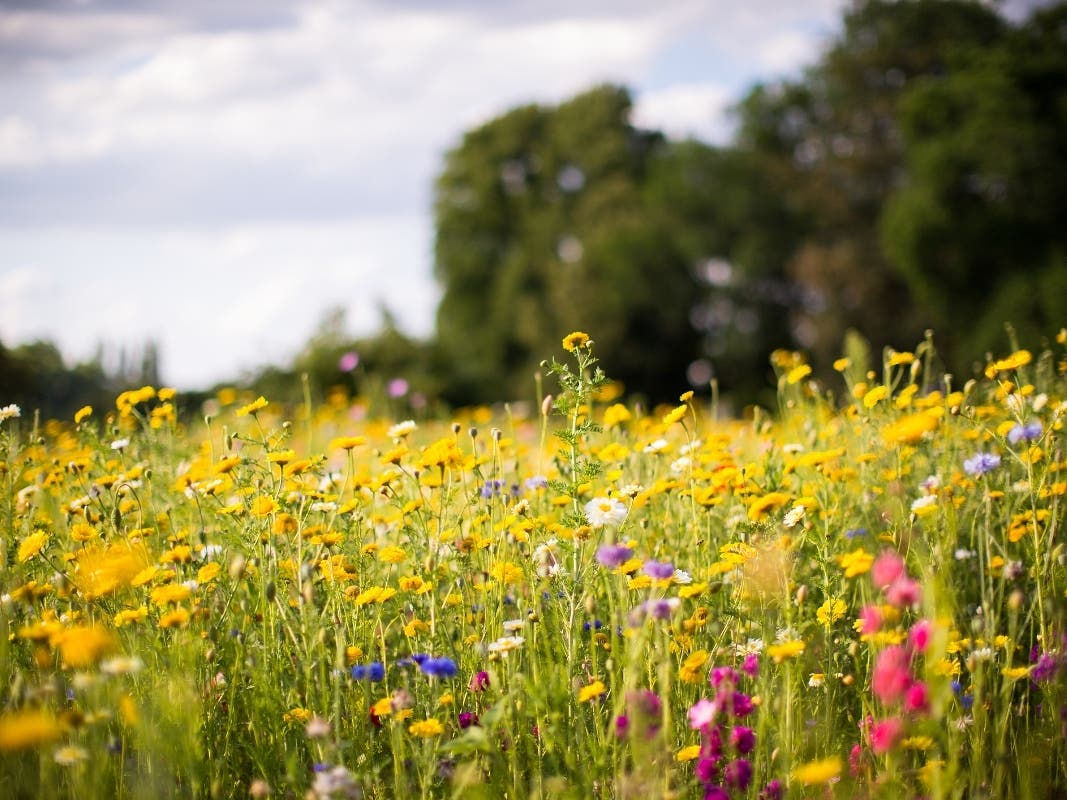
PENNSYLVANIA — Quietly but with determined precision, conservation officials in Pennsylvania are working to protect the state's bountiful environmental resources.
Officials have designated 35 areas of state forest land as Wild Plant Sanctuaries, guarantee these havens of biodiversity both protection and care.
The only catch? The locations are secret and not being disclosed by the state in order to keep them safe and prevent ilelgal poaching.
Find out what's happening in Norristownfor free with the latest updates from Patch.
"Whether tucked into forest hollows with rich soils, growing in mucky peatlands, or rooted in dry, rocky barrens, some of the state's rarest plant populations are now protected in Wild Plant Sanctuaries established in state forests across Pennsylvania," DCNR Secretary Cindy Adams Dunn said in a statement. "Designation of sanctuaries assists DCNR in carrying out its mission to conserve native wild plants and ensures the protection of some of the most botanically diverse sites in the commonwealth."
The sites, spread across 12 of the state's 20 state forest districts, also contain large populations of plants which host rare pollinators and unique invertebrates.
Find out what's happening in Norristownfor free with the latest updates from Patch.
The hidden sanctuaries are of varying shapes, sizes, and natures. They're as small as five acres and as large as 700, and cover both islands, forests, and various wetlands.
Management and protection activities underway at these sites include curating the understory so that light reaches the forest floor, installing fencing to prevent deer browsing, removing invasive plant species, and using controlled burns to promote better growing conditions.
In addition to the 35 sanctuaries on state forest, there are another 19 designated on private lands.
Pennsylvania is home to some 2,100 native plants. Promoting native species is crucial to biodiversity and maintaining the health of ecosystems, which in turn provides support both to agriculture, wildlife, and human recreation.
Get more local news delivered straight to your inbox. Sign up for free Patch newsletters and alerts.