Arts & Entertainment
For the Love of Pyrex
From oven to fridge, these baking dishes say a lot about how Americans lived in the early decades of the 20th Century.

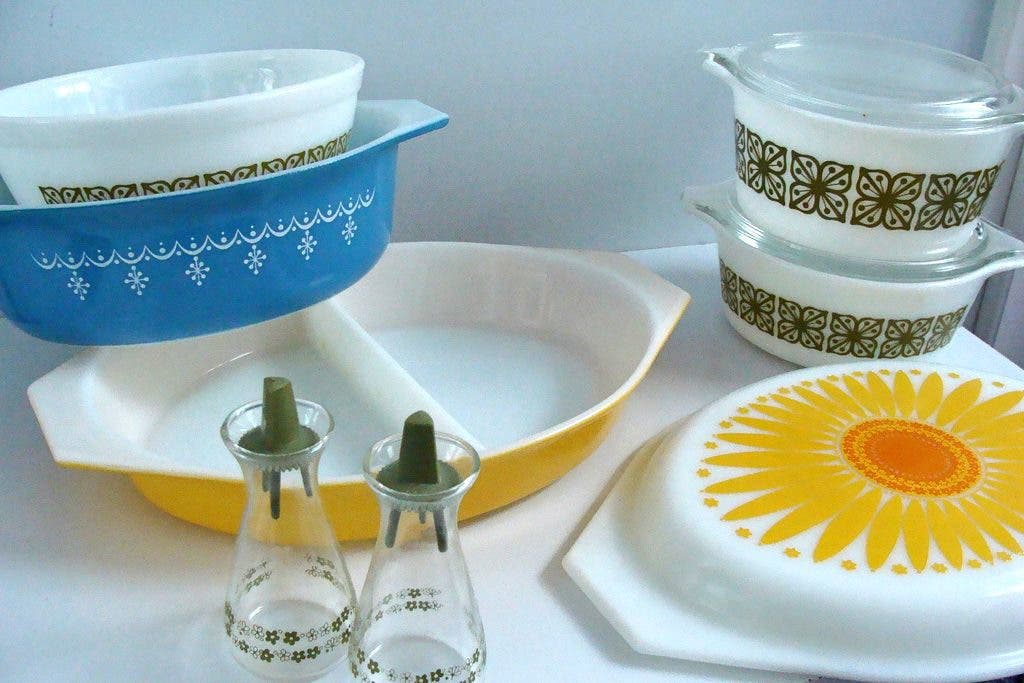

Kitchen collectibles are some of the most popular objects for collectors. While these items typically hold great sentimental value, many of our most common and useful items are also highly collectible like cookie jars, mixing bowls and baking dishes. These kitchen mainstays say a great deal about our culture.
Since I burn most of my baking attempts, I gravitate toward non-stick cookware and particularly, Pyrex products. From oven to fridge, these baking dishes demonstrate technological advancements and they say a lot about how Americans lived in the early decades of the 20th Century.
Developed in the early 1900s, Pyrex glassware derived from the work of Corning Glass Works scientists and marketers. The scientists were trying to come up with a heat-resistant glass that could be used for railroad lanterns. This glass needed to resist breakage when the hot glass came in contact with cold rain, ice or snow. Called "Fire Glass" (that name says it all for a poor baker like me), the new glass product that the Corning scientists invented and perfected remained unchanged when experiencing fluctuations in temperature.
Find out what's happening in Norristownfor free with the latest updates from Patch.
It wasn’t until years after using “Fire Glass” for the railroad industry that the consumer line of Pyrex kitchen products was born in the kitchen of the wife of one of those Corning Glass Works scientists. This was the advent of the heavy duty glassware revolution that was sparked by Pyrex.
Glassware for cooking was an unusual concept when it was introduced to the American public, yet by 1915, major department stores were selling Pyrex glass baking dishes. Pyrex’s attributes of durability, even cooking and easy clean up attracted new customers. Pyrex glass absorbed an oven’s heat waves making cooking times shorter which saved precious energy too. By the Great Depression, more than 25 million pieces of the state of the art glass cookware were found in America’s kitchens.
Find out what's happening in Norristownfor free with the latest updates from Patch.
Today, many of us have been handed down our mother’s and grandmother’s Pyrex wares. From glass loaf dishes to clear Pyrex glass pieces that would bake a family’s favorite casserole or pie, Pyrex is a piece of Americana. Pyrex items that date from the early decades of the 1900s remain desirable on the vintage collectibles market.
For instance, a Pyrex Flameware Percolator, the kind your grandmother used to use (and a far cry from today’s K-cup coffee makers), sells for $175. Vintage Pyrex square-format casserole baking dishes in all of the colors of the rainbow command $50 to $100 depending on condition and size. These examples of American ingenuity and functionality make Pyrex a popular and highly recognizable kitchen collectible.
Dr. Lori on Auction Kings
Patch columnist Dr. Lori will star as the expert antiques appraiser on the hit reality TV show Auction Kings, Tuesdays at 9 p.m. on the Discovery Channel this season. The show will feature Dr. Lori identifying and evaluating objects that people want to sell at a real auction in the suburbs of Atlanta, Ga. Dr. Lori has already appraised several objects for the show in front of the cameras for the upcoming season. Don't forget to set your DVR or watch the show on demand on most cable systems.
Keep reading her column here in the Patch where she will provide in-depth and detailed information about the objects you see her appraise on Auction Kings.