Politics & Government
PennDOT Plans To Open I-76 Shoulder To Relieve Traffic
Drivers will be able to use the shoulder as a travel lane on I-76, I-476, and I-95 under a new dynamic, part-time program, PennDOT said.


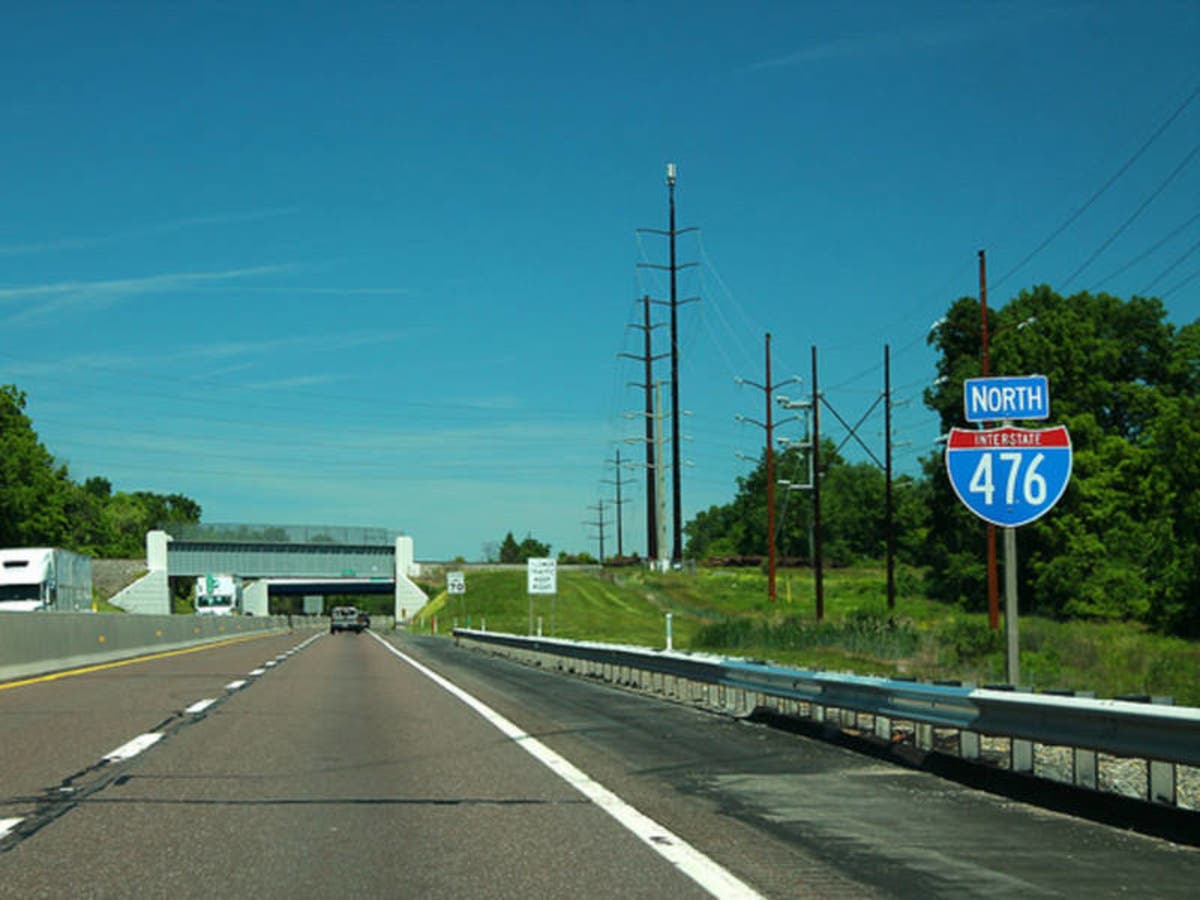
Driving the Schuylkill Expressway at almost any time of day or night can be an utter nightmare.
Fortunately, PennDOT has recognized this, and plans to open the shoulder as part of a part-time initiative to relieve congestion. A similar program was just launched Friday on I-476 and I-95.
According to PennDOT, the impacted stretch of 476 is in both the northbound and southbound lanes between the interchange with Pennsylvania Route 3, the West Chester Pike, in Broomall and the junction with I-95 in the Woodlyn-Crum Lynne-Eddystone areas.
Find out what's happening in Norristownfor free with the latest updates from Patch.
On 95, the part-time shoulder use will be in effect southbound between the junction with 476 and the interchange for U.S. 322 east and the Commodore Barry Bridge in Chester, according to PennDOT
“We consistently look for creative ways to deal with congestion on Philadelphia regional expressways, and this new plan is aimed at alleviating bottlenecks on the Blue Route and on the stretch between the junction with Interstate 95 and the Commodore Barry Bridge,” PennDOT Secretary Leslie S. Richards said. “Governor Wolf insists that his administration deliver on his promise of a ‘government that works” and addressing mobility goes a long way to achieving that goal.”
Find out what's happening in Norristownfor free with the latest updates from Patch.
The impacted I-76 area will be between the U.S. Route 202 and the 476 interchange, PennDOT said.
“Constrained resources restrict our ability to add capacity to Philadelphia area expressways, but that does not mean we can’t look at ways such as dynamic part-time shoulder use to alleviate the congestion,” Richards said. “This technique is in use across the nation and has been shown to be a safe and effective way to improve traffic flow.
PennDOT said it will support the design work and the Delaware Valley Regional Planning Commission plans to dedicate dollars to construction on the next update of the Transportation Improvement Plan. The design phase is expected to take at least four years with construction to follow, according to PennDOT.
Image via formulanone, Flickr Commons
Get more local news delivered straight to your inbox. Sign up for free Patch newsletters and alerts.