Business & Tech
SEPTA Updates Fare-Collection Methods
SEPTA hopes to improve convenience for both riders and conductors.
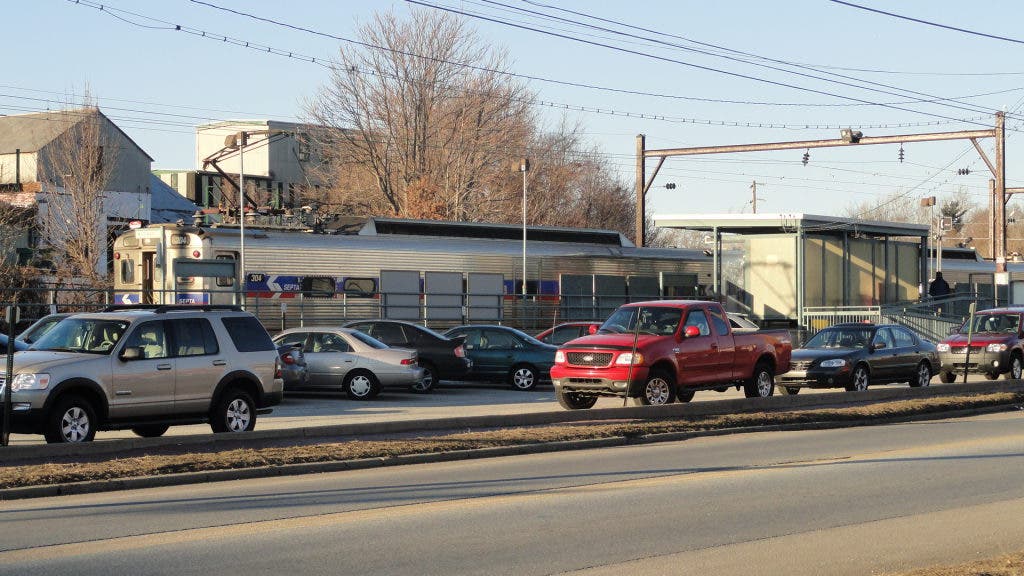
We all know how annoying purchasing tokens, tickets and anything else granting you access aboard any SEPTA mode of transportation can be. Last week, SEPTA explained how its New Payment Technologies initiative will make taking public transportation easier.
The initiative will replace the obsolete method of paying for tokens, tickets, paper transfers and transit passes. The method can be compared to that of the EZ Pass, which allows drivers to navigate toll roads without the hassle of stopping to physically pay the tolls. No longer will standing in line for tokens be a necessity to board a train, as riders will be paying fares with bank-issued, contactless credit or debit cards, cellphones and other contactless devices.
Prepaid cards with a reloadable balance will be available, as well. Daily riders can register their cards or phones and purchase transit passes or 10-ticket packages so the electronic reader will debit their accounts at a discounted rate, rather than debiting the account at full cost.
Find out what's happening in Norristownfor free with the latest updates from Patch.
The rider will tap his or her device of choice to an electronic reader that recognizes his or her account and grants access through a turnstile in less than half a second.
The plan is to put new fare lines and accessible gates equipped with electronic readers at the five Zone C stations (30th Street, Suburban, Market East, Temple University and North Broad). Zone 1 stations will be equipped with the gates and readers, as well.
Find out what's happening in Norristownfor free with the latest updates from Patch.
Any riders entering or leaving Zone C from Zone 1 will tap their cards when they board the train and again when they exit to confirm that they traveled a short distance and will not be charged extra fares.
Zone 2 riders entering or leaving Zones 1 or C will only need to tap their electronic device once, as the fare is calculated immediately.
Riders from Zones 3, 4 and 5 will deal with the conductor, who has a hand-held device and will tap riders' devices to calculate the fares.
Why not simplify the new process of payment even more by putting gates and electronic readers at every station in every zone? The equipment costs money that SEPTA just doesn't have.
“The plan for now is to put validators at the Zone 1 stations,” said Kevin O’Brian, senior program manager for SEPTA. “It can be modified with more validators later on so Zones 3, 4 and 5 conductors won’t have to manually check rider fares, but not now.”
According to SEPTA, this means seamless travel across all SEPTA services, accurate payment history, improved convenience, reliability and security, added fare purchasing options including self-service and simplified fare system and policies for riders.
For SEPTA, the new system improves “revenue accountability, reduces operating and maintenance costs and allows for real-time analysis of fare and ridership data,” according to a release issued by the Transportation Authority.
According to SEPTA, the security of the new system is more cost effective than the one currently in place. If riders misplace their cards or have them stolen, they will no longer need to repurchase their tickets or transit passes, which run more than $100 each.
“If you happen to lose your card, it’s registered, so you can report it and receive another card,” said John Sykes, senior construction inspector. “If it’s stolen or lost, you can call the 800 number or go online, report your problem, and they’ll immediately cancel your card and issue you another.”
Implementation of the system, which is being funded by a $175 million low-interest loan from the Philadelphia Industrial Development Corporation, will take two and a half to three years following the contract award to be announced this summer.
The early focus of implementation will entail design and testing of the new equipment, followed by partial deployment with customer service support, which will eventually lead to full deployment of the services.