Community Corner
A Glimpse Back in Time: Northampton Township, Then and Now
Attention Village People: Learn how your village got its name.

By the middle of the nineteenth century, the five growing villages of Northampton consisted mostly of large homes surrounded with rich farmland, but they weren’t known then by the names they bear now. Here’s a little background into how the villages of Northampton Township were originally named.
Richboro gets the prize for the village having the most previous names. Addisville, named after Amos Addis, and Richboro, also known as Leedomville or The Black Bear, were really one village, lying less than one-half mile apart along the Richborough Turnpike (Second Street Pike), A History of Northampton Township tells us.
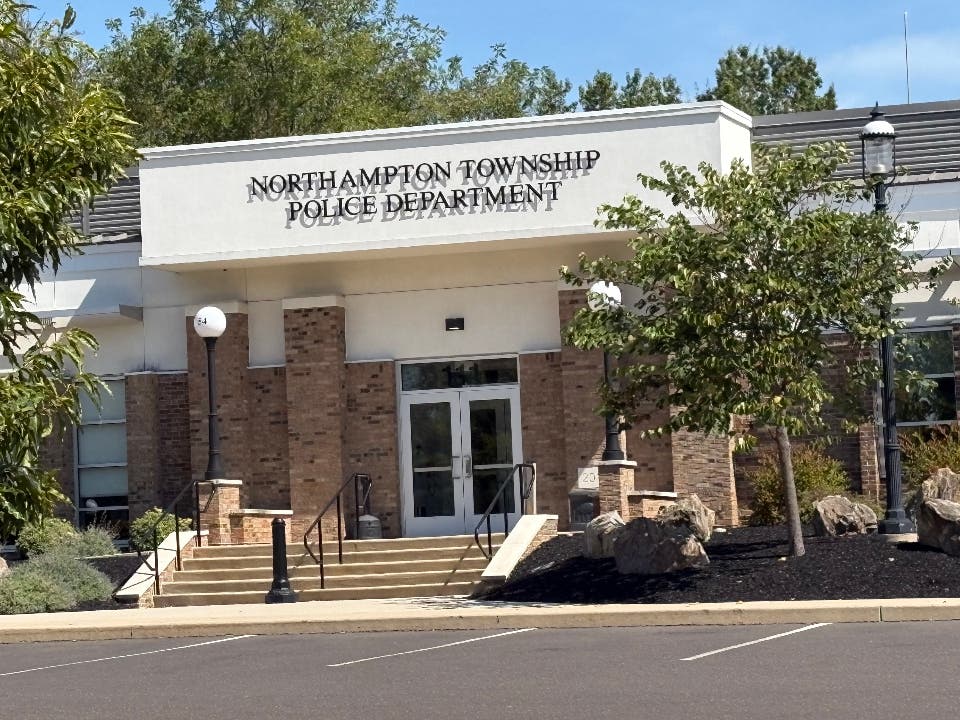
When Richard L. Thomas was appointed first postmaster on May 28, 1830, the online website Living Places states that the name was changed to Richborough, and subsequently Richboro, after the new postmaster, Rich Thomas. Today, Richboro is the seat of the township government, police and fire protection, as well as the hub of several shopping centers, gas stations, prosperous restaurants, banks, churches and even its own synagogue.
Find out what's happening in Northamptonfor free with the latest updates from Patch.
Churchville was previously known as Smoketown. Author George MacReynolds explains that early Dutch settlers brought their habit of smoking long-stemmed tobacco pipes to this newly occupied area at the crossroads of town. It was an extremely busy farming and dairy center at the time. Jeffrey Marshall’s Churchville Historic District nomination document says that the village grew from two distinct sites: the North and Southampton Dutch Reformed Church built in 1816 near the intersection of Bristol Road and Bustleton Pike; and the original Churchville train station located at Bristol Road (Knowles Avenue).
This charming country village was known for its period Colonial houses, which soon were interspersed with stately Victorians. The distinctive architecture and quaint country feel remain ever-present throughout the Churchville community today.
Find out what's happening in Northamptonfor free with the latest updates from Patch.
Rocksville, now known as Holland, was named for the rocky banks and hills of Neshaminy Creek. This area had two flourishing mills, a store, school, a few homes and a picturesque covered bridge. Because so many Dutch settled in this village as well, it was often called New Holland. Once the new post office was established, the name, Holland, stuck. Like the other villages, Holland today has seen rapid growth in the way of housing developments, shopping areas, etc.
Jacksonville, located on the west end of the township, was known as Tinkertown, but no one can verify why. Legend suggests that there was a long-standing blacksmith shop with its hard-working smithy who tinkered non-stop in his workplace hammering out shiny, new metal to support the hooves of weary horses.
During this era, Jacksonville contained just a few houses, the new Marshall school and a shop owned by John Hart, who farmed in the area. Tinkertown was renamed Jacksonville when Tinkertown Road became Jacksonville Road. The boundaries of the original village changed when Ivyland Borough became part of Warminster Township. Today, Ivyland is a sprawling community that is no longer part of Northampton.
This brief background provides a short snapshot into the early history and beginnings of Northampton Township. In future columns, look for interesting facts, historical building highlights and old tidbits focusing on Northampton Township, Then and Now.
Visit www.northamptontownship.com for more information.
References
A History of Northampton Township