Community Corner
Rethinking Butterfly Gardens
Select both nectar and host plants to attract butterflies and nurture caterpillars in your garden. Plan now and plant your garden this fall.


I hope you are enjoying the butterflies fluttering around your yard this summer. If you don't see too many floating around, it's easy to create a haven for these lovely creatures. You can plan your butterfly-friendly garden now and plant it as the weather cools from early September until late October. This is a great time to start a new garden. I've had great success planting most of my plants in the fall over the years.
If you provide nectar plants for butterflies, you're only half way there. Be sure to provide "host" or food plants so a caterpillar can grow and thrive as it sheds its exoskeleton several times before transforming itself into a chrysalis from which the adult butterfly emerges.
Butterflies not only pollinate flowering plants, they also serve as food for other organisms. With increased pesticide use and habitat destruction, populations have declined in recent decades. Less caterpillar host and nectar plants, means fewer butterflies.
Find out what's happening in Northamptonfor free with the latest updates from Patch.
You can help conserve butterfly populations while adding beauty to your surroundings. Choose a sunny location and eliminate pesticides from your yard. Butterflies also appreciate a few rocks in sunny areas so they can bask in the warmth.
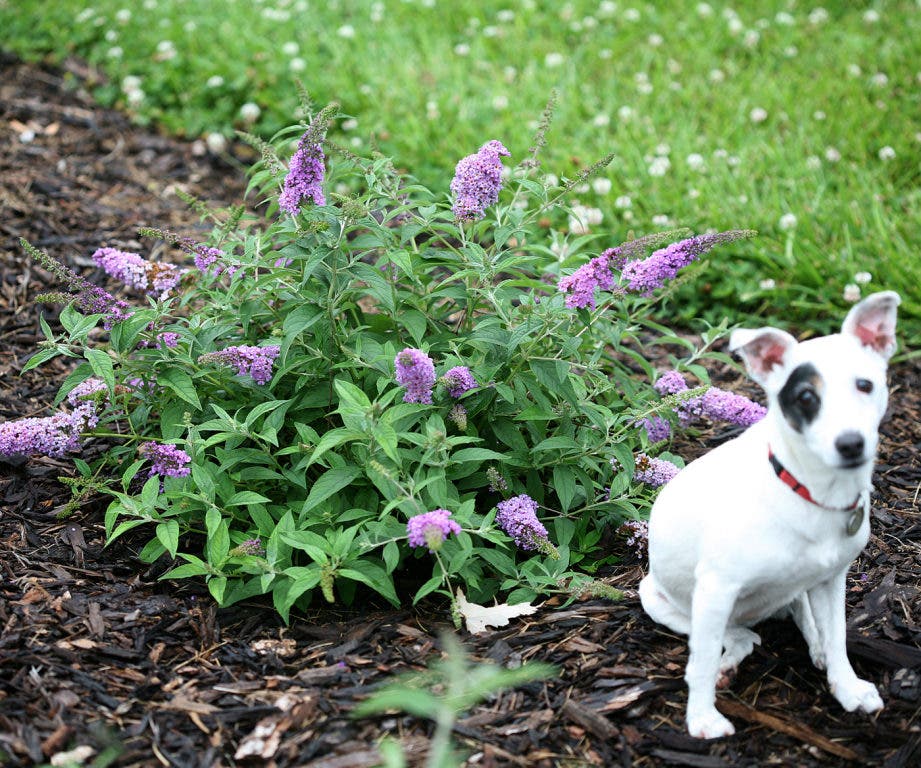
Let's talk plants. I can't tell you how many times people have told me they were going to create a butterfly garden by planting a few butterfly bushes. Some species of these bushes (Buddleia), can grow to ten or more feet tall during a single season. They can take over your yard in more ways than you think. Although these bushes do provide nectar for a variety of butterflies, these exotic Asian plants are highly invasive and crowd out many native plants.
Find out what's happening in Northamptonfor free with the latest updates from Patch.
"I don't recommend planting butterfly bushes, but if you already have one, make sure you deadhead the shrub before it goes to seed by cutting off the old blossoms and discarding them in the trash—do not compost the spent seed heads," advises Scott Guiser, horticulture educator for the Bucks County Penn State Cooperative Extension office.
Guiser recommends choosing other nectar plants as well as host plants for the ideal butterfly habitat. Another alternative may be to select some newer butterfly bush varieties that are sterile and do not set seeds such as Proven Winners' Lo & Behold 'Lilac Chip' or 'Blue Chip' buddleia. Generally, these dwarfs are less than three feet tall.
Native plants are the key to balancing our ecosystem because they help feed, sustain and shelter birds and beneficial insects.
“When native plants disappear, the insects disappear, impoverishing the food source for birds and other animals,” according to Professor Doug Tallamy in his revolutionary book, "Bringing Nature Home."
Tallamy also states, "not a single species of butterfly in North America can reproduce on them," referring to the Asian butterfly bush.
Here are some top nectar-producing native perennial plants for our area, according to the North American Butterfly Association (NABA): Blazing star (Liatris), Bee Balm (Monarda), Mountain Mint (Pycnanthemum), Milkweeds (Asclepias), goldenrods (Solidago), purple coneflower (Echinacea), Joe pye weed (Eupatorium), Ironweed (Vernonia), and asters. While there are many nectar-rich annuals, two favorites are Mexican sunflower (Tithonia) and zinnia. Sweet pepperbush (Clethra), in bloom now, is a good nectar source.
Monarch caterpillars feed exclusively on milkweed, i.e., those in the Asclepias family. Top caterpillar food plants include butterfly milkweed (Ascelpias tuberosa), common milkweed (Asclepias syriaca), and Swamp milkweed (Asclepias incarnata). Trees and shrubs that serve as host plants for other caterpillars include tulip tree, birch, sassafras, and spicebush. Find more information and recommended plants at the Monarch Watch website and NABA website.
This week, I discovered a newly hatched monarch drying its wings before its first flight. This is always an amazing find in my garden. I hope you'll try adding a few native plants so that you can enjoy watching nature's dance in your own back yard.