Politics & Government
Mumps Spreading Across Philadelphia Region, 100 Cases Reported
The mumps outbreak has continued to spread around the region, with more than 100 cases reported at numerous schools.


The mumps outbreak has continued to spread around the greater Philadelphia region, with more than 100 cases reported at numerous schools.
What began as a seemingly isolated outbreak at Temple University weeks ago has proven to be much more, as students brought the illness into Montgomery County.
Three students at Temple's Ambler campus have it. Then on Thursday, a suspected case was confirmed in a West Chester University student. On Friday, reports of a case came in from Abington Senior High School.
Find out what's happening in Northamptonfor free with the latest updates from Patch.
According to 6ABC, mumps have also been reported at North Wales Elementary School.
Montgomery County health officials said there around 20 suspected cases.
Find out what's happening in Northamptonfor free with the latest updates from Patch.
All the while, Temple's original outbreak steadily grew to an estimated 86 infected. All told, it's believed there are more than 100 positive cases in the region.
What is being done?
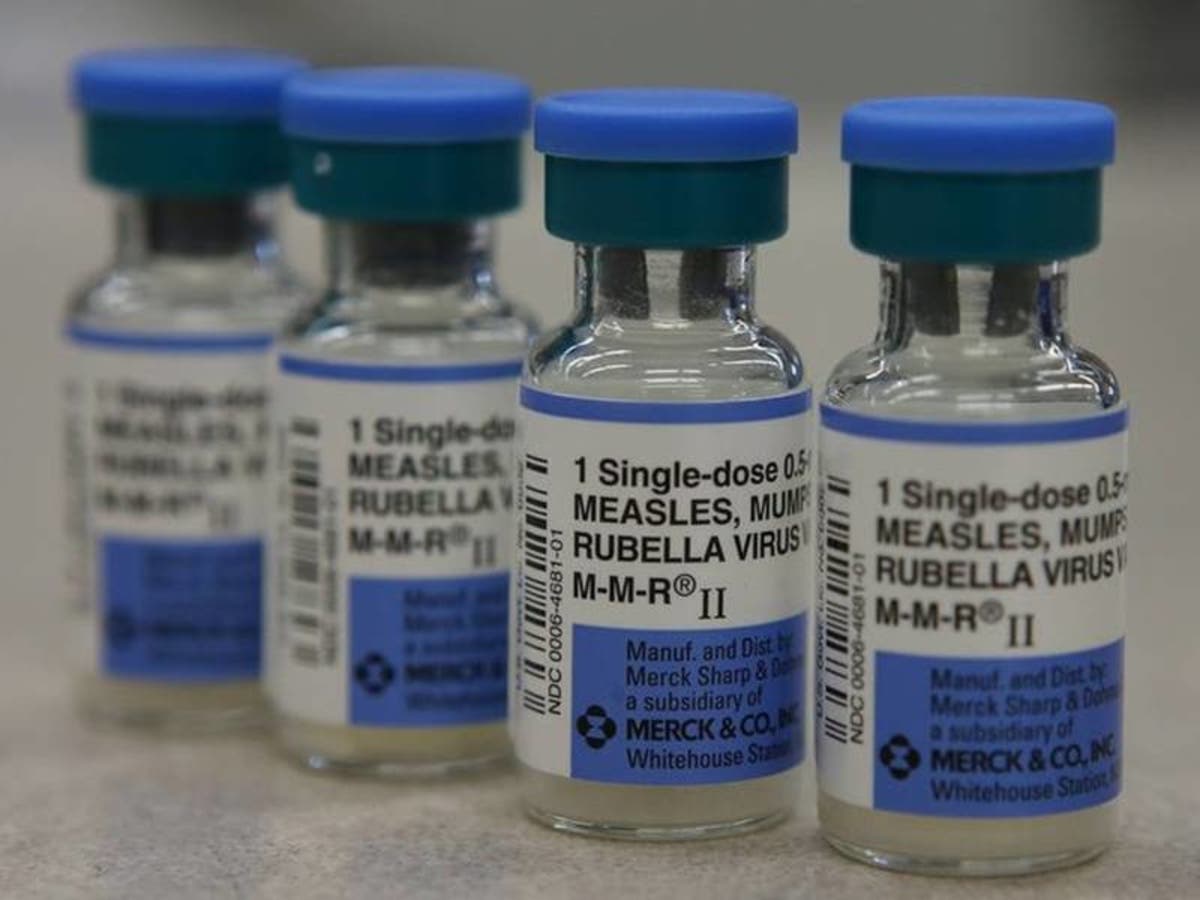
Health officials are still testing to confirm that all of the cases are, in fact, mumps. Meanwhile, they stress the importance of vaccination. Free measles, mumps, and rubella (MMR) vaccines are being disbursed at Temple as the school tries to control the outbreak.
The vaccines will be offered form 9 a.m. to 4 p.m. on Wednesday, March 27, and Friday, March 29.
MMR vaccine will be available through the vaccine clinics free of charge to staff and students with a current Temple University OWLCard in the Great Court at Mitten Hall on Temple University's Main Campus located at 1913 North Broad St. in Philadelphia.
The outbreak has even prompted a petition calling for the university to close temporarily until officials can adequately address the outbreak.
So far, more than 10,700 people have signed the petition.
All infected students from Temple and other area schools have been put in isolation.
What is mumps?
Mumps is spread by droplets of saliva or mucous from the mouth, nose or throat of an infected person, usually when the person coughs, sneezes or talks. It can also be spread by items used by an infected person such as cups or soft drink cans, especially if those items are shared.
Symptoms include:
- Swollen or painful salivary glands under the ears or jaw, or on the cheeks
- Fever
- Headache
- Muscle aches
- Tiredness
- Loss of appetite
- Swollen and tender salivary glands under the ears on one or both sides.
Mumps symptoms typically appear 16 to 18 days after infection, and while some people who get it have very mild symptoms or no symptoms at all, in others it can cause potentially serious complications, according to the CDC.
Complications are more likely to arise in adults, including inflammation in the testicles that can lead to infertility, inflammation of the brain (encephalitis), meningitis, inflammation of the ovaries or breast tissue, and even deafness.
Anyone with symptoms should notify their doctor immediately. People who contract mumps should stay home for five days after the swelling of salivary glands begins. Children who have fevers should not be treated with products containing aspirin, according to R.C. Hill's school nurse, as use of products containing aspirin for viral infections like mumps could result in a serious condition called Reye syndrome.
With reporting from Patch correspondent Shannon Antinori
Get more local news delivered straight to your inbox. Sign up for free Patch newsletters and alerts.