Neighbor News
Fatima al-Fihri: Women's History Month
An article illuminating the influence & impact a Muslim woman had in the development of intellectual discourse and inquiry in the Arab world
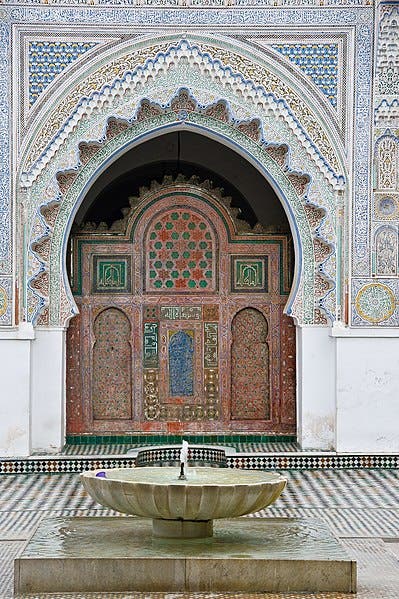
In the modern world, there is a presumption that women in Islam are not highly educated or that education of women is not encouraged. This notion is encouraged by stories of happenings in many modern day Muslim countries like Afghanistan. This couldn’t be further from the truth. The Ahmadiyya Muslim Community has many women in its organization who are noteworthy in their fields, whether it be law, science, education, medicine, business, or politics. But even before this we can see many examples of female leaders, particularly intellectual leaders throughout the vast history and geography of Islam. One such woman was Fatima al-Fihri, whose achievement is unmatched by Muslims and non-Muslims alike; she established the oldest existing university in the world in the city of Fez, Morocco.
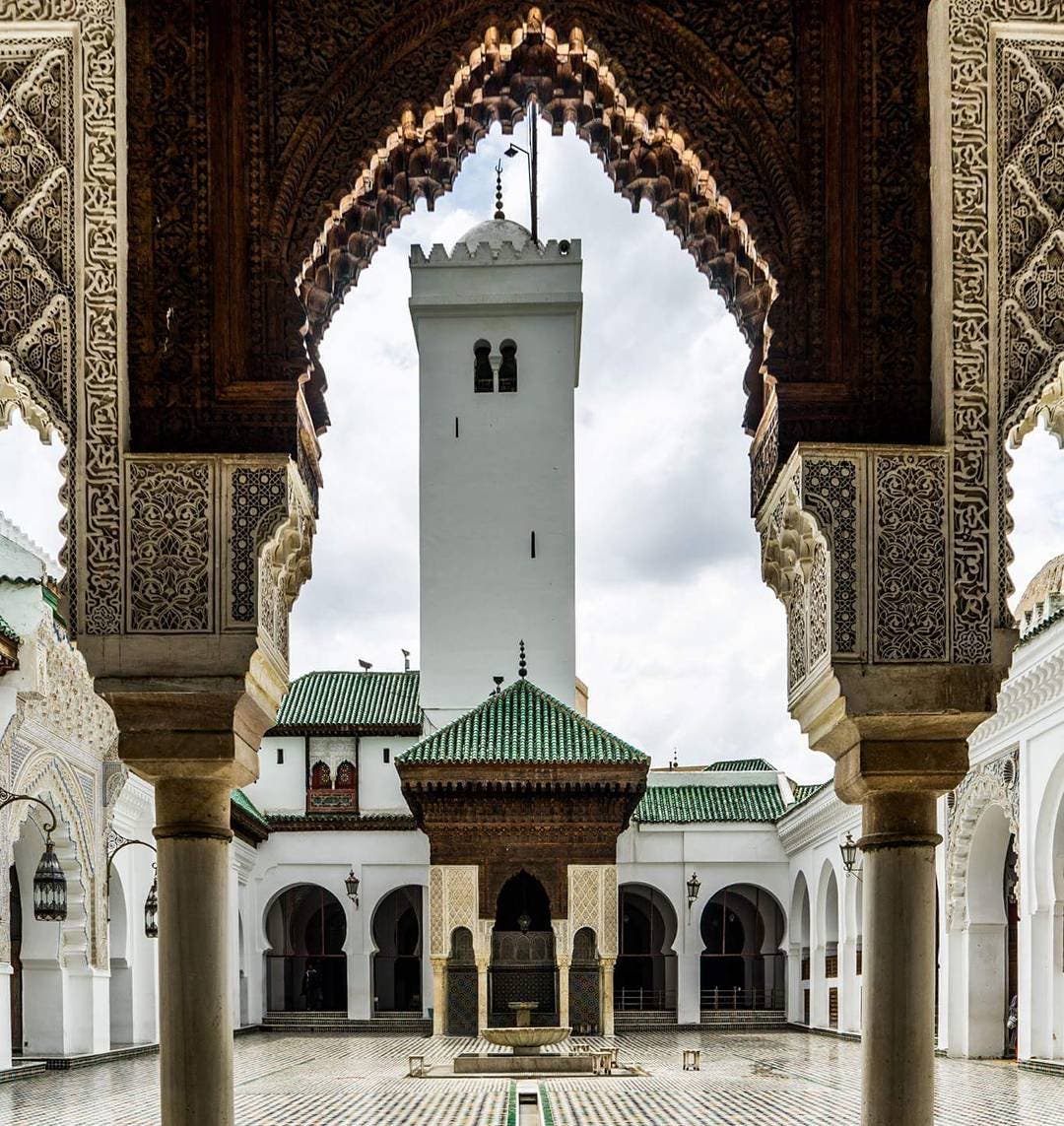
Fatima was an intellectual who lived during the reign of Idris II. The university was originally built as a mosque because the existing mosque was too small for the ever-growing number of Muslims in the city. She had recently inherited a huge amount of wealth from her father and decided to build a building that would accommodate the needs of the people in the city better. Her entire wealth was sacrificed to this lofty project and she fasted until it was completed in 859 AD. The mosque was known as the al-Qarawiyyan mosque and was the first religious institute and largest Arab university of the time. It is acknowledged by the Guinness Book of World Records and UNESCO. Some notable names that have made way through its doors and into history are Abdulrahman Ibn Khaldun, Abu Walid Ibn Rushd, Musa Ibn Maimon, and Gerbert of Aurillac, later known as Pope Sylvester II. Numerous Muslim scholars and intellectuals are tied to this university, and have contributed greatly to the cultural and academic formation of the communities of their time.