Neighbor News
How Philadelphia Residents Can Stay Safe This Winter
Essential winter safety guidance and legal responsibilities every Philadelphia resident should understand.

Key Takeaways
- Winter in Philadelphia can mean hazardous conditions on the roads, when shopping, or when walking around.
- Be aware of regulations that state what you must do to keep people, such as pedestrians and tenants, safe during winter.
- Dress appropriately for the season and be prepared for freezing, stormy weather conditions.
Philadelphia winters can be dangerous. From severe snowstorms and tricky ice patches to the bone-chilling cold. While nature can be scary in winter, the negligence of others during these times can be just as dangerous. To help you navigate the season safely, we’ve compiled some great tips on winter safety and legal rights to keep our Philly residents safe throughout the winter.
On the Roads
Snowfall can make roads very dangerous. Especially when the snow turns into ice, which is harder to see at night. Both cars and pedestrians can easily lose traction, which could be tragic.
Find out what's happening in Philadelphiafor free with the latest updates from Patch.
Driving
If your vehicle slides on ice, hitting the brakes would be a huge mistake. Be calm. Instead:
- Take your foot off the gas.
- Avoid sudden movements.
- Turn into the skid gently. Turning in the opposite direction can cause the vehicle to flip or spin out of control.
- Use your gears to help reduce speed gradually if you drive a manual transmission.
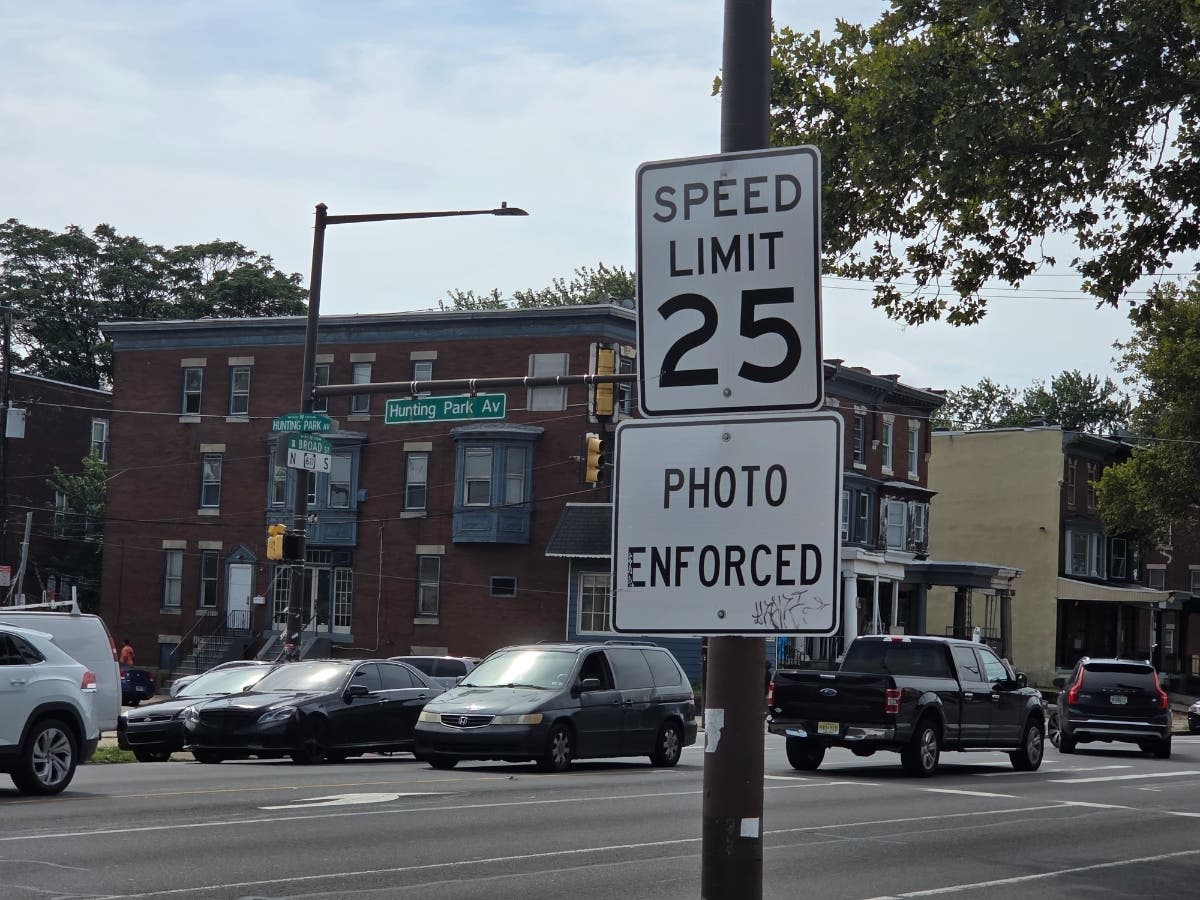
In Philadelphia, reduce your speed because using the excuse that the road was slippery won’t hold up in court. You may be held culpable and liable for damages if someone is injured as a result of your driving too quickly for the conditions of the road.
Find out what's happening in Philadelphiafor free with the latest updates from Patch.
Tip: Use snow tires in winter. Drive slowly.
Public Transportation
If you have to take public transportation, walk carefully. Subway stairs can be slippery, platform edges could be unsalted, and bus steps could be treacherous from the constant snow trudging. So be extra careful. Hold onto the rails and step carefully.
It’s important to note that if you do have a personal injury claim against the City of Philadelphia or against SEPTA, you only have six months to give written notice of a claim. Speak to a slip and fall attorney in Philadelphia as soon as possible after your accident.
Properties
Sidewalks
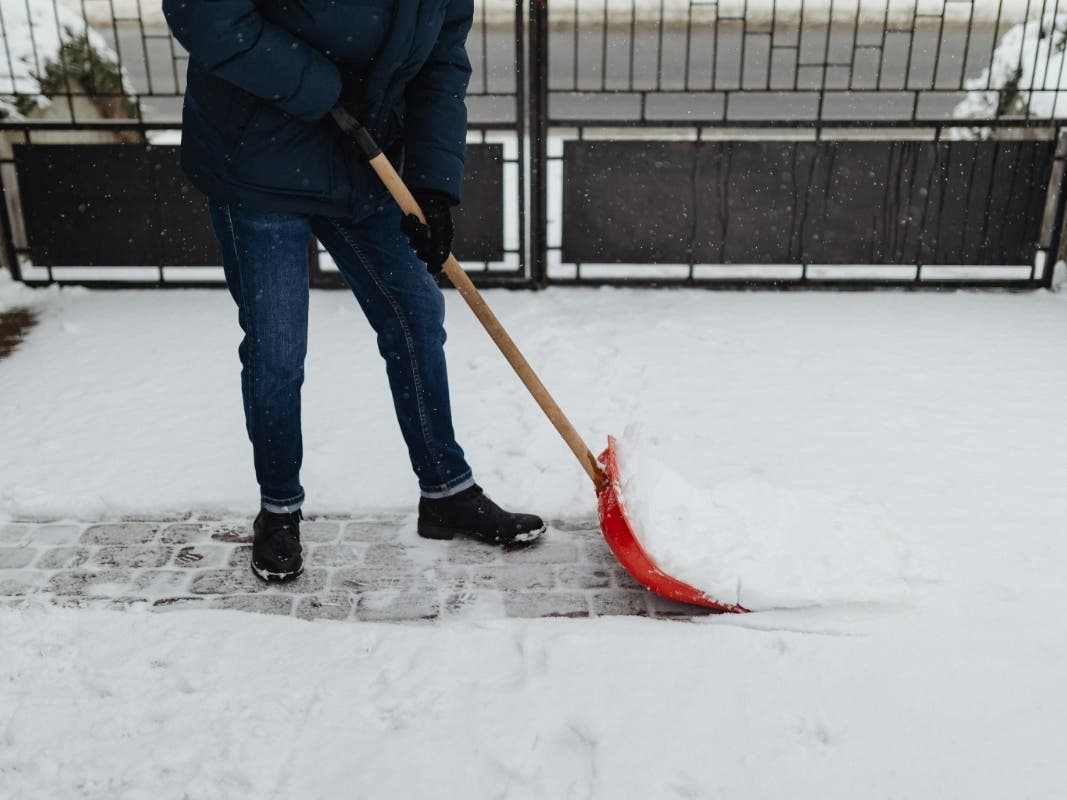
According to Philadelphia law, the person who currently resides on the property is responsible for clearing a path on the sidewalk at least 36 inches wide. If the pathway is three feet wide or less, then clear at least 12 inches of snow. Do this within six hours of the end of a winter snowstorm.
Landlords or building management are generally responsible for clearing the snow from the sidewalks of apartment buildings.
Remove ice ridges
If snow turns to ice and is neglected, this could form unnatural hills, valleys, and ridges, which could cause a slip and fall. If that happens to you, the first thing you should do is take photographs to prove that the ice was allowed to accumulate and cause an accident. A property owner or tenant could be liable for any damages caused.
It’s important to note that if you don’t clear your sidewalk, the city can issue fines of between $50 and $300. However, a personal injury lawsuit is worse than that. You may be responsible for the pedestrian’s medical costs and lost income if they trip over a section that you overlooked.
Tip: Keep sand and salt available to put on pathways and sidewalks. And don’t displace snow onto the road, as this could be dangerous for drivers.
Going Shopping
.jpg)
Shop floors can be dangerous. If the floors are wet, it’s a disaster waiting to happen. Shop owners must put up visible signs warning of the dangers, and there should be cleaners to keep the floors as safe as possible. If you have an accident, file an incident report with the store manager. Take photos of everything if you can, because you don’t want the business to turn around and plead ignorance later on.
At Home
Heating
If you rent your property, landlords are supposed to maintain radiators and keep the heating at the right temperature. They would be at fault if they neglected to keep the heat at 68°F and you became sick or got hypothermia. Stay safe and keep any repair requests in writing.
Home maintenance
Do regular maintenance and repairs at home to prepare for winter. Check thermostats, heating systems, and chimneys. Make sure your wood supply is dry so it burns cleanly.
Also, use geyser blankets in winter to try to keep pipes from freezing where possible. This could also save you money in the long run.
Extra Tips
Here are some other pointers to help keep you safe during a Philly winter:
- Dress warmly. Pull out the winter woollies and use them.
- Stay indoors if possible.
- Keep an emergency kit with non-perishable snacks, bottled water, and a first aid kit in the car and at home.
- Have a fully charged power bank on hand in case of an emergency, and keep your mobile devices charged.
- Store emergency contact numbers in your wallet.
Final Thoughts
Winters are difficult enough, so everyone should do their part and help make it safer. You don’t have to suffer financial loss if you’re hurt because of someone else’s carelessness. Personal injury attorneys can assist you with your legal claim if you have one. Just try to be as safe as possible out there.