Neighbor News
An Innovative Treatment Option for Philly’s Bunion Patients
Fixing a common bone deformity at its root cause

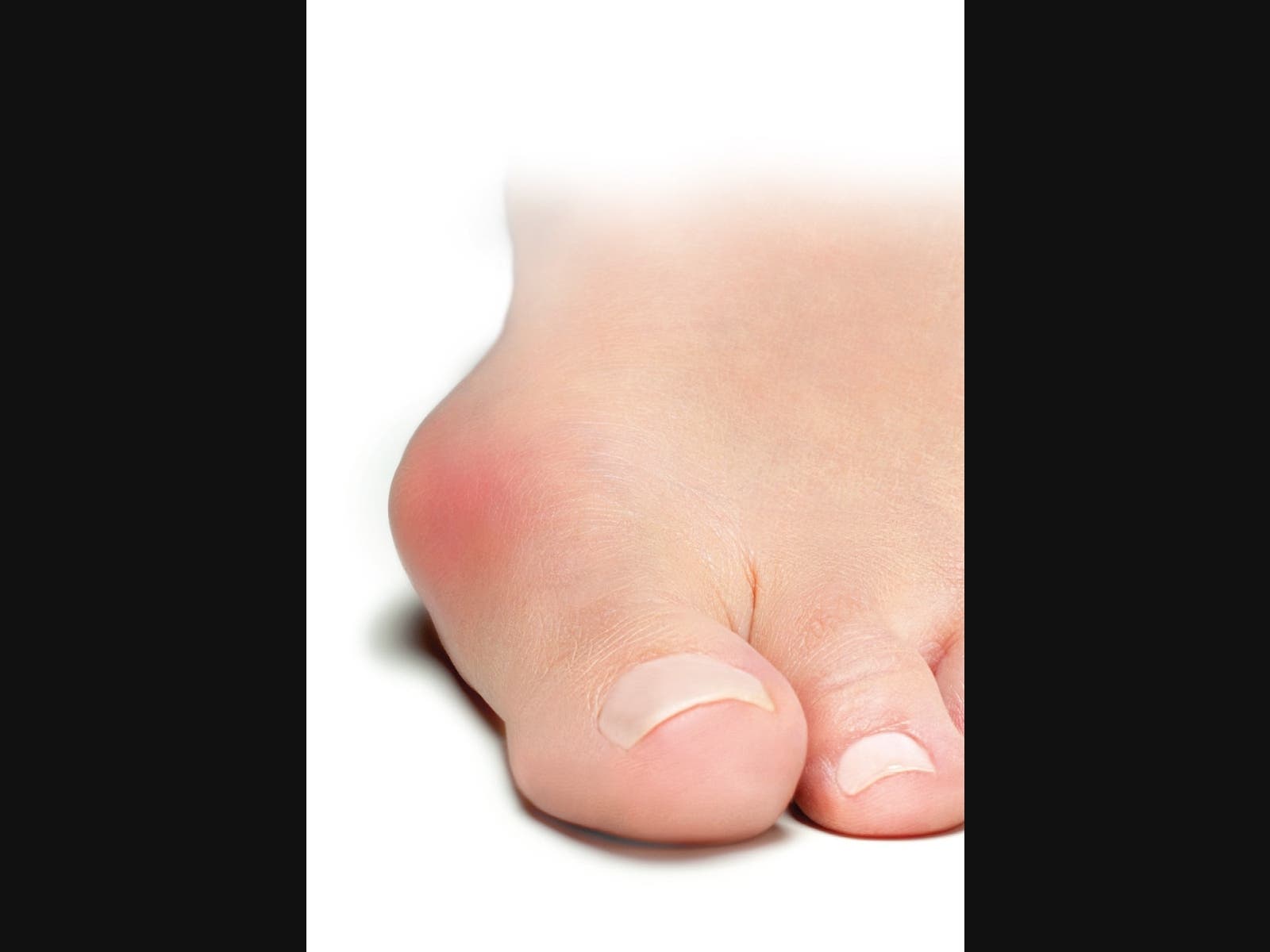

If you or someone you know is living with a bone deformity commonly known as a bunion, you are not alone. Around 25% of the US population suffers from the condition and as a podiatrist, I have treated hundreds of patients living with them. Unfortunately, bunions can be very painful and disruptive to a person’s life. However, the stigma surrounding the condition and fear of treatment often prevent people from seeking help. That is why for over 20 years, I have been working to educate Philadelphia-area residents about how to recognize bunions and about new technology that can safely and effectively correct the deformity so they can get back to living their normal lives.
For those who don’t know, a bunion is a painful and progressive bone deformity caused by an unstable joint in the middle of the foot that allows the big toe to drive out of alignment, allowing it to lean, elevate and rotate. The deformity often runs in families, and anyone can develop them, though they are most commonly seen in more mature women. The pain caused by bunions can be excruciating and often gets worse over time. Challenges with bunions can range from discomfort while walking and inability to run or play sports, to pain with simple daily tasks like grocery shopping and even pain while sleeping due to discomfort from blankets touching the feet.
Despite the pain and challenges caused by bunions, many people are hesitant to seek treatment. Some of my patients have explained that the look of the deformity causes them shame and embarrassment while others have said that some people simply don’t understand or believe the pain that bunions can cause. Many patients have also said that based on research and stories from friends and families, traditional bunion removal methods discouraged them from seeking care due to worries about the recovery process and the risk of the deformity recurring.
Find out what's happening in Philadelphiafor free with the latest updates from Patch.
For many years, the standard procedure used to treat bunions was a 2D osteotomy, an approach that involves shaving down the protruding bone on the side of the big toe and shifting it over. While this method does address the cosmetic bump, it does not correct the actual root cause of the problem, an unstable joint in the middle of the foot. For many people, it is the recovery process that deters them from seeking this method of treatment. The procedure can involve a long recovery where patients might be non-weightbearing for up to eight weeks. After recovering, there is also a high chance that the bunions will return with this removal method.
As a physician who has been involved in the Philadelphia community for over 20 years, it pained me to see so many patients suffering and I began looking for alternative methods to treat my patients. I joined a growing number of physicians who now perform a relatively new procedure called Lapiplasty® 3D Bunion Correction™. Unlike traditional surgical approaches, Lapiplasty® addresses the three-dimensional deformity that causes bunions by returning the bones in the foot to their correct alignment and securing them in place. Most patients get back on their feet using a walking boot within days of the procedure and generally, my patients are able to return to their usual lifestyles within 12 weeks. In addition, many of my patients describe having a pain level during recovery that is easily managed with medication, regular icing and elevation. Some of my patients have even chosen to undergo the procedure on their opposing foot soon just after recovering from their first surgery. The Lapiplasty® Procedure also has a low rate of bunion recurrence.
Find out what's happening in Philadelphiafor free with the latest updates from Patch.
The Philadelphia community is where I call home, and it is important that I can ensure that anyone suffering from a bunion gets the help they need. I want patients who are in pain to know that there is a life within their reach where they can do the activities they enjoy without pain in their feet caused by bunions. So many of my patients who were emotionally and physically drained by foot pain have recovered and are now back to enjoying all the activities they loved before bunions interfered. Bunions do not have to run your life. There are options and you can get back to living life how you want to.
For more information about the Lapiplasty® Procedure visit www.Lapiplasty.com. To schedule an appointment with me, call 610-644-6900 or visit www.PremierOrtho.com.
Only a surgeon can tell if Lapiplasty® 3D Bunion Correction™ is right for you. As with any medical treatment, individual results may vary and this experience is unique and specific to this patient only. There are potential risks with surgery and recovery takes time. Potential risks include, but are not limited to: infection, pain, discomfort from the presence of the implant, loosening of the implant, and loss of correction with nonunion or malunion.