Health & Fitness
Measles Outbreak Expands In Eastern PA: Latest Details
Health officials in the Philadelphia region are on high alert as measles cases are emerging locally. Here's what we know so far.


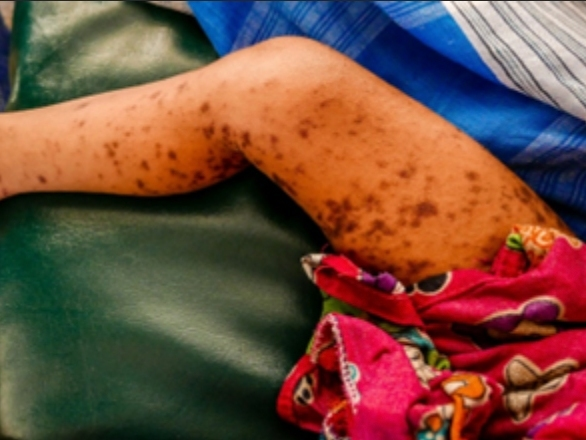

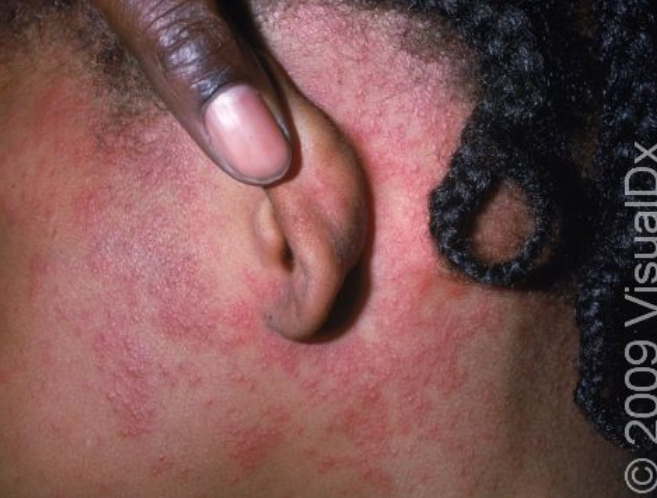
PHILADELPHIA — Measles infections are cropping up in the Philadelphia region, putting health officials on high alert and prompting them to issue warnings to the public.
The Philadelphia Department of Health is reporting eight local cases of measles, some of which stemmed from exposure at a day care facility.
Seven of those cases are in Philadelphia and one is not, officials said.
Find out what's happening in Philadelphiafor free with the latest updates from Patch.
The most recently identified two cases were announced Monday.
Officials are warning the public to potential exposures to the virus at the following Philadelphia locations, dates, and times:
Find out what's happening in Philadelphiafor free with the latest updates from Patch.
- Jefferson Health, 33 S. 9th St./ 833 Chestnut St. — Dec. 19
- Multicultural Education Station Day Care, 6919 Castor Ave. — Dec. 20 to Dec. 21
- Children’s Hospital of Philadelphia, 3401 Civic Center Blvd. — Dec. 28 and Jan. 1
- Nemours Hospital — Dec. 29
- St. Christopher’s Hospital for Children, Emergency Department, 160 E. Erie Ave. — Dec. 30 to Dec. 31, overnight to mid-afternoon
- St. Christopher’s Hospital for Children, Inpatient Unit 5 North, 160 E. Erie Ave. — Dec. 31 through Jan. 3
- Nazareth Hospital, Emergency Department, 2601 Holme Ave. — Dec. 31 and Jan. 2
Exposures may have occurred at two Montgomery County facilities, as well.
According to the Montgomery County Department of Health and Human Services Office of Public Health, potential exposures occurred at Holy Redeemer Pediatric Urgent Care Meadowbrook and Jefferson Abington Hospital Emergency Department.
Measles is a virus that spreads very easily from person to person. Those infected with measles can spread the virus to others who are not protected against the virus through direct contact with respiratory droplets, or through droplets in the air from coughing and sneezing. The early symptoms of measles are fever, runny nose, cough, and puffy eyes, followed by rash. In some people, it can be a very serious infection that leads to pneumonia, brain infection and death.
Anyone who is not vaccinated against measles is strongly encouraged to seek vaccinations.
People who have not received both doses of measles, mumps, and rubella (MMR) vaccine should talk with their healthcare provider about getting caught up.
The Philadelphia Department of Health offers the measles, mumps, and rubella vaccine for free at City Health Centers. Any child in Philadelphia can get vaccinated at any City health center. Contact the health department's call center at 215-685-2933 to make an appointment.
Additionally, Montgomery County residents, who are uninsured or underinsured or have not previously received an MMR vaccine and have been exposed to an individual with a confirmed case of measles can call the Montgomery County Office of Public Health Clinics in Norristown at 610-278-5145 or in Pottstown at 610-970-5040 to get an MMR vaccine at no cost, regardless of their health insurance status.
Those who are immune to measles do not have to do anything, even if they were in the above locations on the dates listed.
People are immune if they:
- were born before 1957, or
- have already had measles, or
- have received two doses of measles-containing vaccine (usually given as measles, mumps, rubella (MMR) vaccine) and are not immune compromised.
Ninety percent of people with close contact with an infected person will get measles if they are not vaccinated.
About one in five unvaccinated people in the U.S. who get measles is hospitalized.
As many as one out of every 20 children with measles gets pneumonia, the most common cause of death from measles in young children. About one child out of every 1,000 who get measles will develop encephalitis (swelling of the brain) that can lead to convulsions and can leave the child deaf or with intellectual disability.
Nearly one to three of every 1,000 children who become infected with measles will die from respiratory and neurologic complications.
Get more local news delivered straight to your inbox. Sign up for free Patch newsletters and alerts.