Politics & Government
Philly Civil Forfeiture Suit Settled, Program Changes Coming
The settlement covers all who had cash or other property against which forfeiture petitions were pending, filed on, or after, Aug 11, 2012.


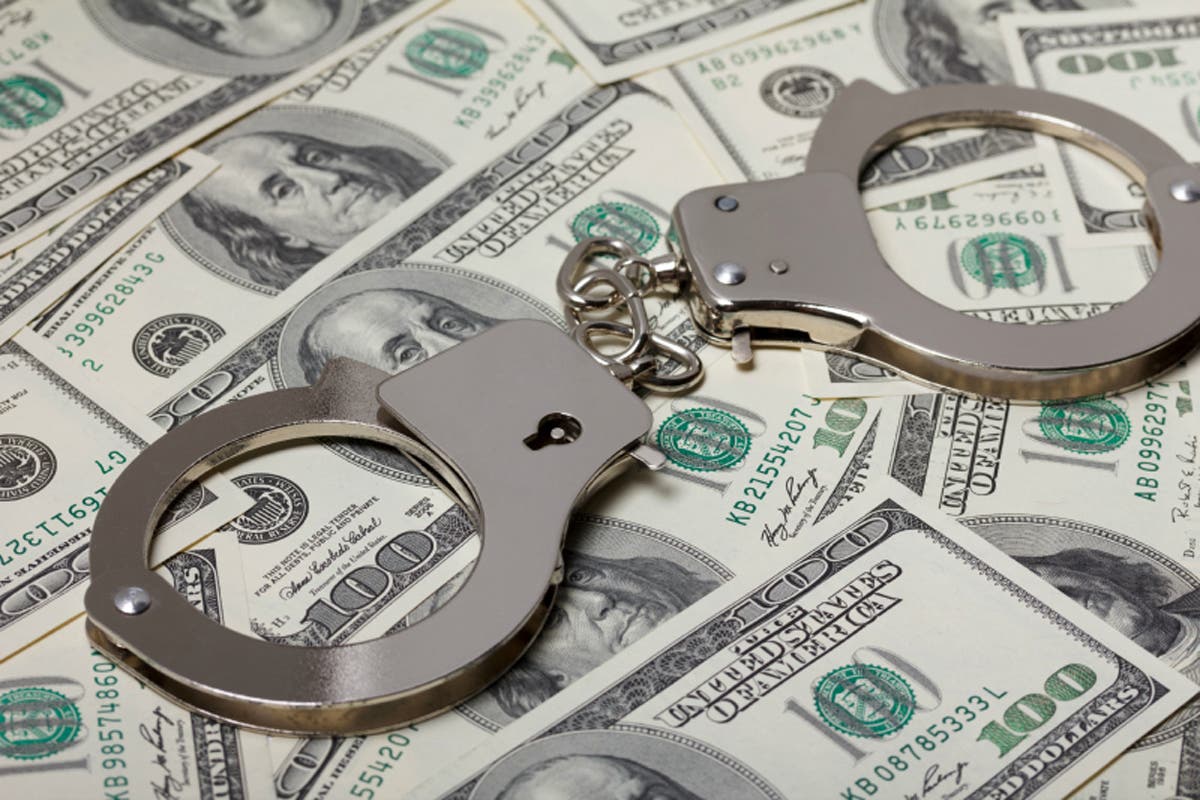
PHILADELPHIA – A settlement has been reached in a lawsuit that claimed Philadelphia, the First Judicial District, and the Philadelphia District Attorney’s Office violated due process by forfeiting property seized during narcotics arrests, the city announced Tuesday.
The suit was filed in August 2014 by the Institute for Justice and attorney David Rudovsky on behalf of four residents of Philadelphia.
The suit alleged that the City, First Judicial District, and District Attorney’s Office violated due process by forfeiting property seized during drug arrests.
Find out what's happening in Philadelphiafor free with the latest updates from Patch.
Philadelphia previously used assets seized in civil forfeiture to help fund the city's budget. However, that practice ended in 2017.
In certain cases, civil forfeiture can lead to property being seized and kept from individuals who have not been charged with crimes.
Find out what's happening in Philadelphiafor free with the latest updates from Patch.
The settlement codifies the city's decision to stop using civil forfeiture to help fund the budget and also brings significant policy reforms in the process.
"A year after we ended the practice of using civil forfeiture revenue to supplement the budget, I’m pleased that this settlement ensures such a practice will never return," said Mayor Jim Kenney. "This is a good resolution because it reforms a system that, left unchecked, can prey upon the most vulnerable – people who, in many instances, have no understanding of their rights and no one to fight for them. In short, this settlement makes Philadelphia a more just City."
The suit claimed that the defendants’ procedures for such forfeitures violated the Constitution, and that the city and District Attorney's Office created a conflict of interest and violated due process by using forfeiture revenue to pay prosecutor and police salaries.
"This settlement agreement was a long time coming, and something that our city needs to move our criminal justice reform efforts forward," said Larry Krasner, Philadelphia District Attorney. "We will no longer use civil asset forfeiture to take grandma's possessions because her grandchild got into a little bit of trouble. Instead, we will focus on cases where there is a conviction and, thanks to the settlement, residents now have additional protections and a clear process to re-take possession of their property."
Among the policy changes mandated by the settlement are:
- Forfeiture revenue may only account for 0.25 percent of the DAO budget at most, with the rest of revenue going to nonprofits;
- the settlement spells out a process for people seeking the interim return of their property;
- the PPD will receive no forfeiture revenue;
- police officers will be limited to seizing contraband if an arrest is for simple drug possession;
- and upon receipt of a court order directing it to return seized property, the PPD will return vehicles immediately, cash within three business days, and all other property within seven business days.
The settlement covers all individuals who had cash or other property against which forfeiture petitions were pending or filed on – or after – August 11, 2012.
A $3 million settlement fund will be made available to class members, allowing those who had property seized in a drug arrest and subsequently forfeited to get 100 percent of the value of their property back, so long as they were not convicted of the crime for which they were arrested.
Before going into effect, the settlement must be approved by Judge Eduardo Robreno. The settlement account will be funded with the balance of the District Attorney’s Office’s account containing civil forfeiture revenues, which is approximately $2.6 million as of today. The city will fund the remainder.
If any of the $3 million remains unclaimed by class members, up to $375,000 of the unclaimed funds will be returned to the city and the rest will be donated to non-profit organizations to help communities affected by past forfeiture practices.
Additionally, the city and the First Judicial District will collectively pay $2.63 million in attorneys’ fees if the settlement is approved, to be paid over two years.
Image via Shutterstock
Get more local news delivered straight to your inbox. Sign up for free Patch newsletters and alerts.