Home & Garden
Philly Police: Do Not Call 911 About Spotted Lanternflies
"And on that note, we, for one, would like to welcome our new insect overlords," police said in a tweet Thursday.


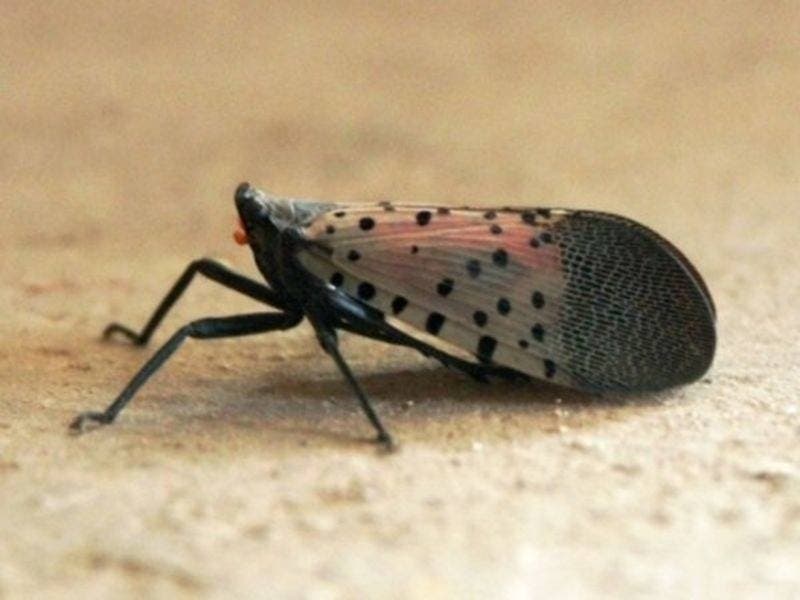
PHILADELPHIA — As the Spotted Lanternfly continues to plague Pennsylvania and pose a great danger to the state's agriculture industry, many want to contact authorities in order to address the invasive insect.
Just don't call the police.
That's what the Philadelphia Police Department said on Twitter Thursday.
Find out what's happening in Philadelphiafor free with the latest updates from Patch.
The PPD is known for its tongue-in-cheek social media posts, and the Spotted Lanternfly tweet was no exception.
Please do NOT call 911 to report #SpottedLanternfly sightings. While they are a nuisance, they are not a police issue. And on that note, we, for one, would like to welcome our new insect overlords. Maybe they would like to build some nests on our vast concrete headquarters? pic.twitter.com/PXmCs4db0f
— Philadelphia Police (@PhillyPolice) September 12, 2019
Philadlephians have reported seeing the insect in the city, some reporting they've been bombarded by them.
Find out what's happening in Philadelphiafor free with the latest updates from Patch.
Lycorma delicatula, commonly known as the Spotted Lanternfly, is a new invasive insect that has spread throughout southeastern Pennsylvania since its discovery in Berks County in 2014.
The Spotted Lanternfly presents a significant threat to Pennsylvania agriculture, including the grape, tree-fruit, hardwood and nursery industries, which collectively are worth nearly $18 billion to the state's economy.
Ailanthus altissima, commonly called Tree-of-Heaven is an invasive tree from China and harbors invasive insect species, including the Spotted Lanternfly.
The spotted lanternfly attacks fruit trees. It feeds on the sap in trunks, branches, twigs, and leaves. As it digests the sap, the insect excretes a substance. There may be a buildup of the sticky fluid on infested plants and the ground below. The sap also provides a medium for growth of fungi, such as sooty mold, which can cover leaf surfaces and stunt growth. Plants with heavy infestations may not survive.
Potentially at stake are Pennsylvania' grape, tree-fruit, hardwood, nursery, and landscape industries, which generate crops and forest products worth nearly $18 billion annually. The insect can also cause damage to high-value ornamentals in home landscapes and can affect the quality of life for residents.
The Pennsylvania Department of Agriculture advises that the adult Spotted Lanternfly and nymphs can be mechanically destroyed, such as being swatted with a shoe.
If you encounter an egg mass, they suggest scraping the mass into a bottle that can be sealed. If you cannot scrape the egg mass into a container, mechanically destroy it as best as possible.
Get more local news delivered straight to your inbox. Sign up for free Patch newsletters and alerts.