Traffic & Transit
SEPTA To Issue Tickets For Illegally Parked Cars Via Camera
Camera-based enforcement will begin on JFK Boulevard, Bainbridge, Spring Garden, Walnut, Chestnut, and Market streets.


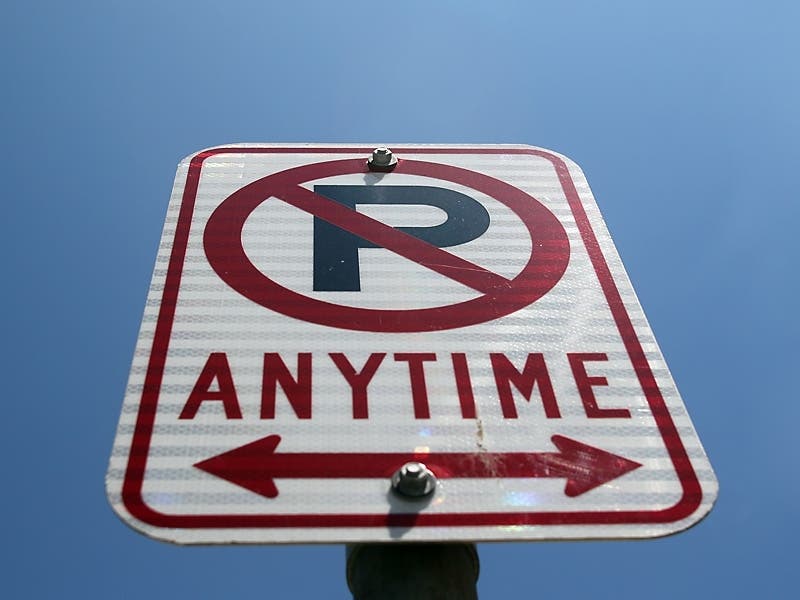
PHILADELPHIA — SEPTA will soon start enforcing parking violations using camera thanks to a new bill signed by Mayor Jim Kenney.
Kenney signed Bill No. 230489 Thursday. It's titled "Camera-Based Enforcement System For Parking, Stopping, and Standing Violations That Interfere With Mass Transit."
This city ordinance will allow SEPTA to use of camera-based parking enforcement technology on its buses to target illegally parked vehicles blocking transit stops and bus lanes. The aim is to decrease traffic congestion, improve traffic safety, and address the climate crisis in Philadelphia.
Find out what's happening in Philadelphiafor free with the latest updates from Patch.
The ordinance will allow for camera-based enforcement on Bainbridge and Spring Garden Streets from river to river as well as the entirety of JFK Boulevard, Walnut, Chestnut, and Market Streets.
"I’m proud to sign this bill into law. It is another innovative step forward to keep Philadelphians safe and traffic moving smoothly," Kenney said. "Thanks to these cameras, we are increasing efficiency in our streets to make our city even more accessible. I want to thank everyone who made this bill possible."
Find out what's happening in Philadelphiafor free with the latest updates from Patch.
Earlier this year, SEPTA partnered with Hayden AI to equip buses with AI-driven cameras as part of a pilot program, which monitored bus lanes and stops for illegally parked vehicles, along Routes 21 and 42. Over the course of the 70-day trial, the technology found more than 36,000 instances of obstruction in Center City, West Philadelphia, and Upper Darby.
In New York City, where this type of technology has been deployed since 2019, bus speeds have increased by as much as 40 percent on enforced routes.
"This is a major step forward with SEPTA’s efforts to make travel safer and more accessible, while also improving reliability," SEPTA CEO and General Manager Leslie S. Richards said. "We are grateful to City Council and Mayor Kenney for supporting this initiative, and we are excited about the improvements it will allow SEPTA to deliver to our customers and the city."
This legislation will improve transportation for all Philadelphians, especially those with disabilities, as parking infractions create prohibitive and dangerous scenarios for wheelchair users. The bill was introduced to Philadelphia City Council by Councilmember Mark Squilla on June 8 and was passed unanimously on Oct. 26.
"I was happy to work with SEPTA, OTIS, PPA and advocates for those with different abilities to pass legislation that allows for automated enforcement of vehicles blocking bus zones, lanes and ramps," Squilla, who represents the First District, said. "I believe these automated enforcement measures will make it safer for all transit users and alleviate traffic congestion."
Get more local news delivered straight to your inbox. Sign up for free Patch newsletters and alerts.