Neighbor News
What is Eid ul Adha & How is It A Part of Hajj?
Some basic historical points for non-Muslims, relating what actually takes place during both of these events and how they are tied together.
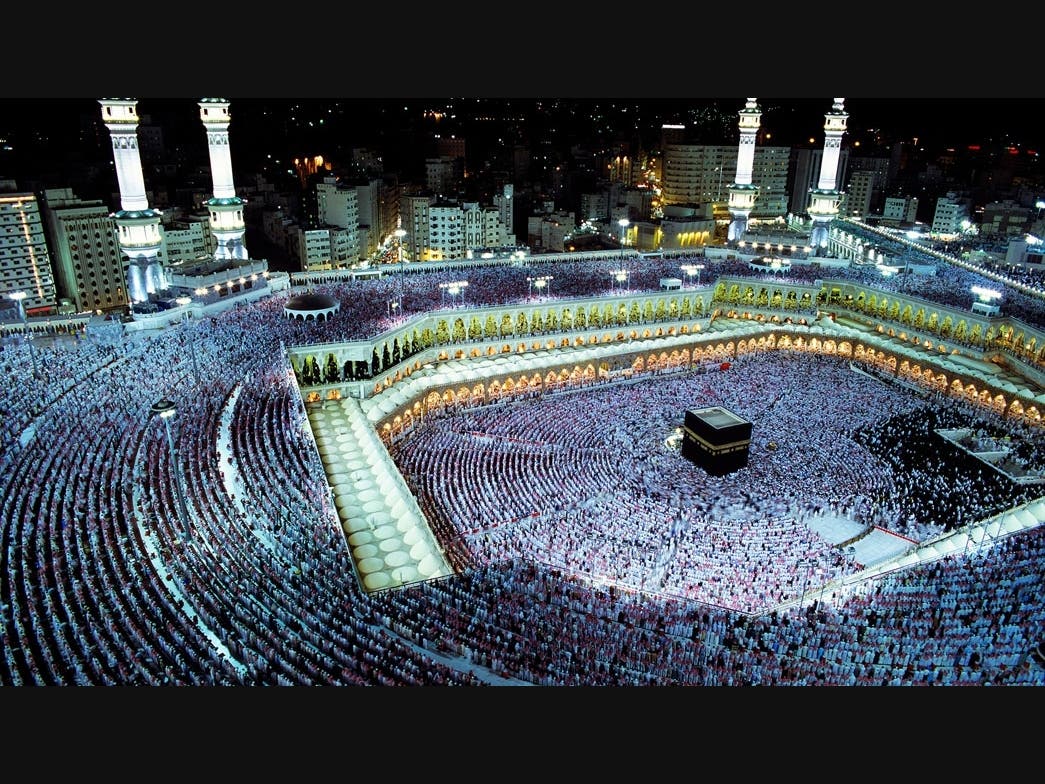
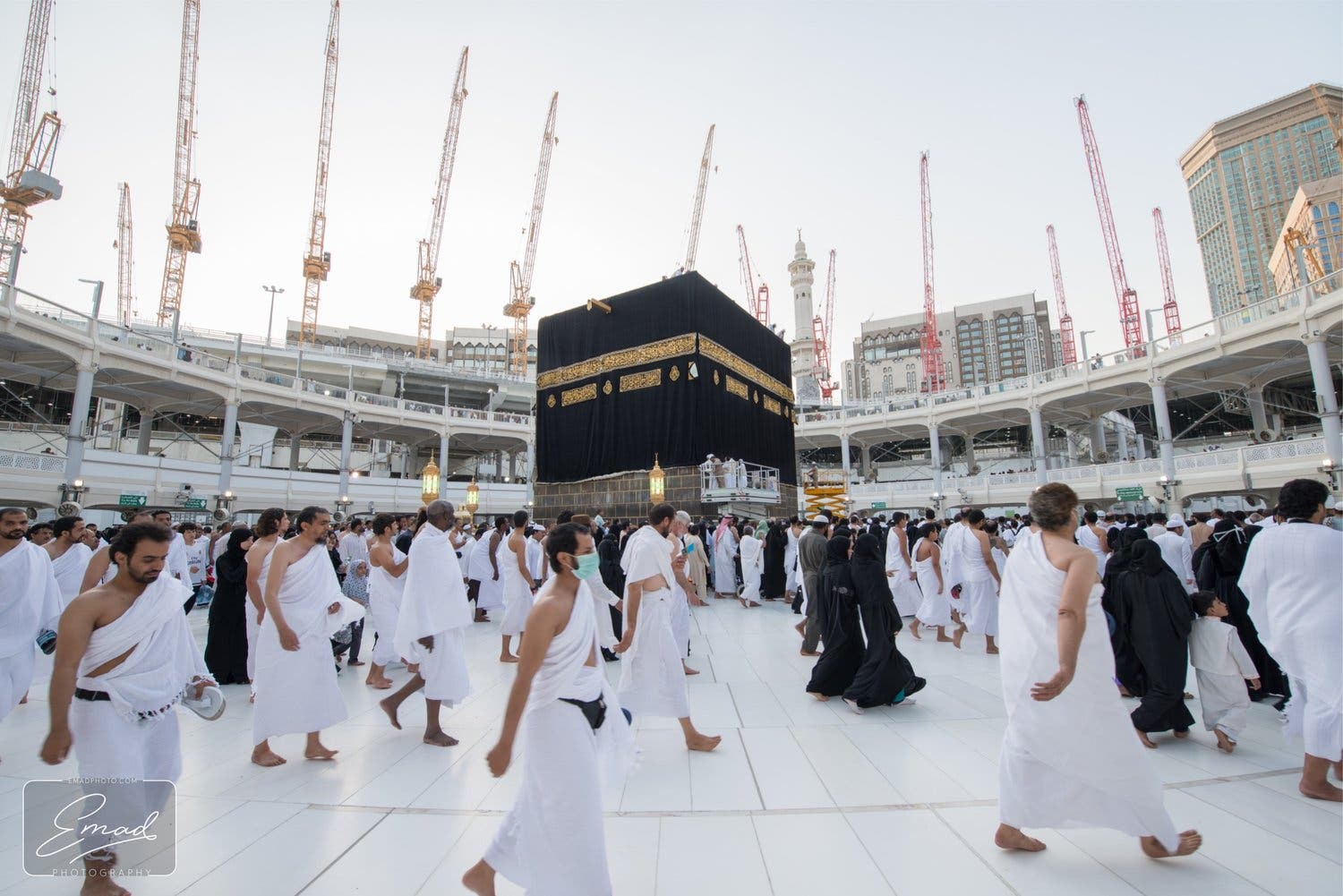
While there are Muslims around the world who are getting ready to go to Mecca, Saudi Arabia to perform the fifth pillar of their faith, Hajj (pilgrimage), most of us will be celebrating Eid ul Adha at home. A pillar of Islam is basically a designated action a Muslim must undertake during their lifetime (sometimes daily as is with Prayer) to maintain their faith. Due to the ongoing Covid-19 pandemic the maximum number of pilgrims allowed to perform the Hajj has been capped at 1 million by the government of Saudi Arabia for this year.
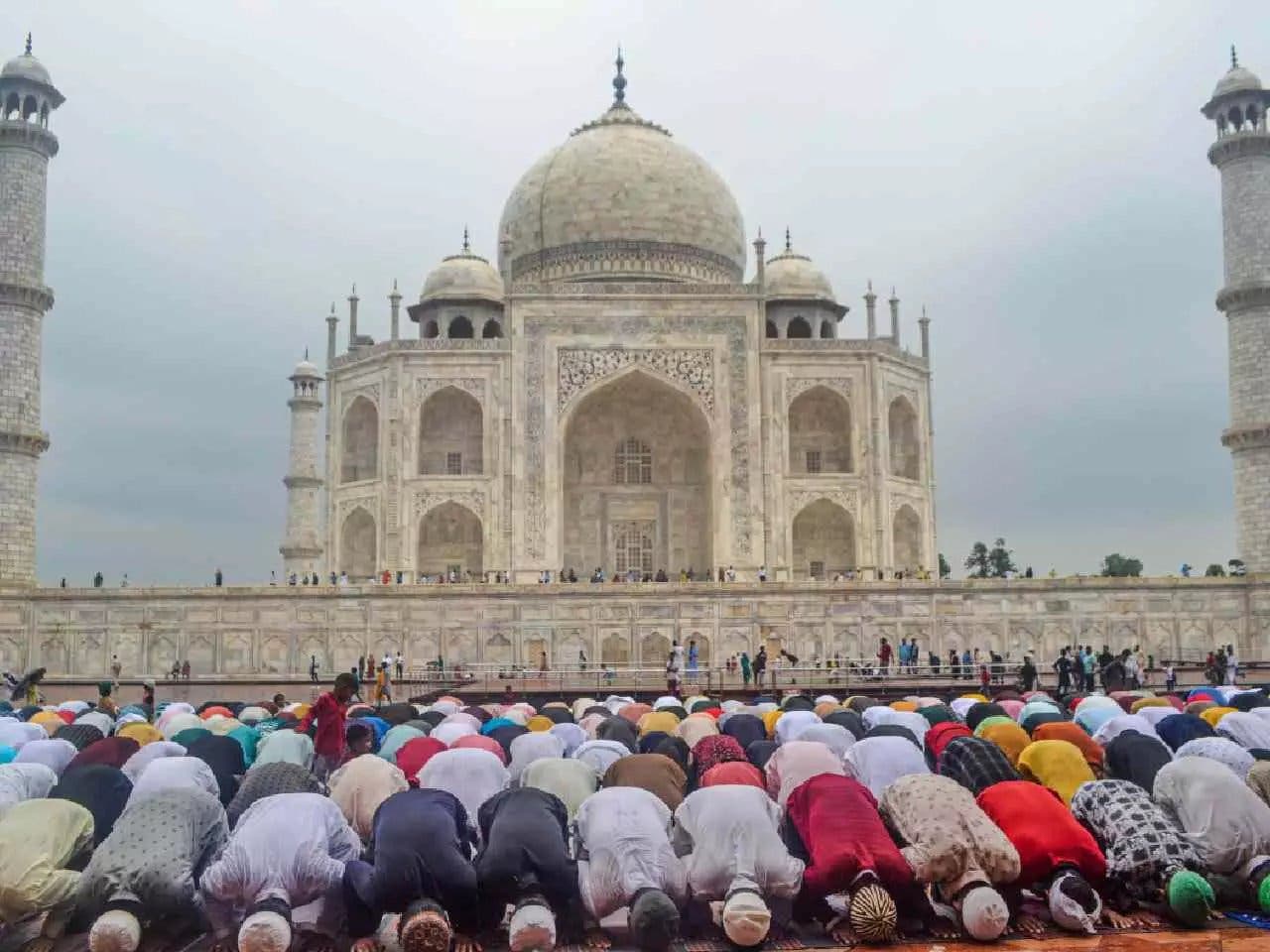
So what is Eid ul Adha and how is it tied to Hajj? Eid ul Adha is the “Feast of Sacrifice” commemorating the obedience of prophet Abraham (peace be on him) and submitting to the will of God, to the point that he was about to sacrifice his only son on God's orders. That did not happen, and instead we believe that his son Ishmael was chosen to rebuild the Kaaba to reinforce the Oneness of God. The reason that Hajj is tied to Eid ul Adha is that Hajj is a reminder of the history of Ishmael and his mother when they were left in the city of Mecca. The running between the two hills Safa and Marwa, the ZamZam well, the significance of Ishmael rebuilding the Kaaba, the circuits around the Kaaba, and other events are part of the Hajj rituals. Eid ul Adha is a very clear reminder of the sacrifice of prophets Abraham and Ishmael (peace be on them) because it literally requires every family head to sacrifice an animal, to remind Muslims around the world of the sacrifice of Abraham and to also remind us that Ishmael is the progenitor of Prophet Muhammad (peace and blessings be on him). They are required to give the meat of the sacrificed animal as 1/3 to family, 1/3 to friends, and 1/3 to the needy; but many people donate money so that needy families are able to offer this sacrifice or at least obtain the meat of a sacrificed animal.
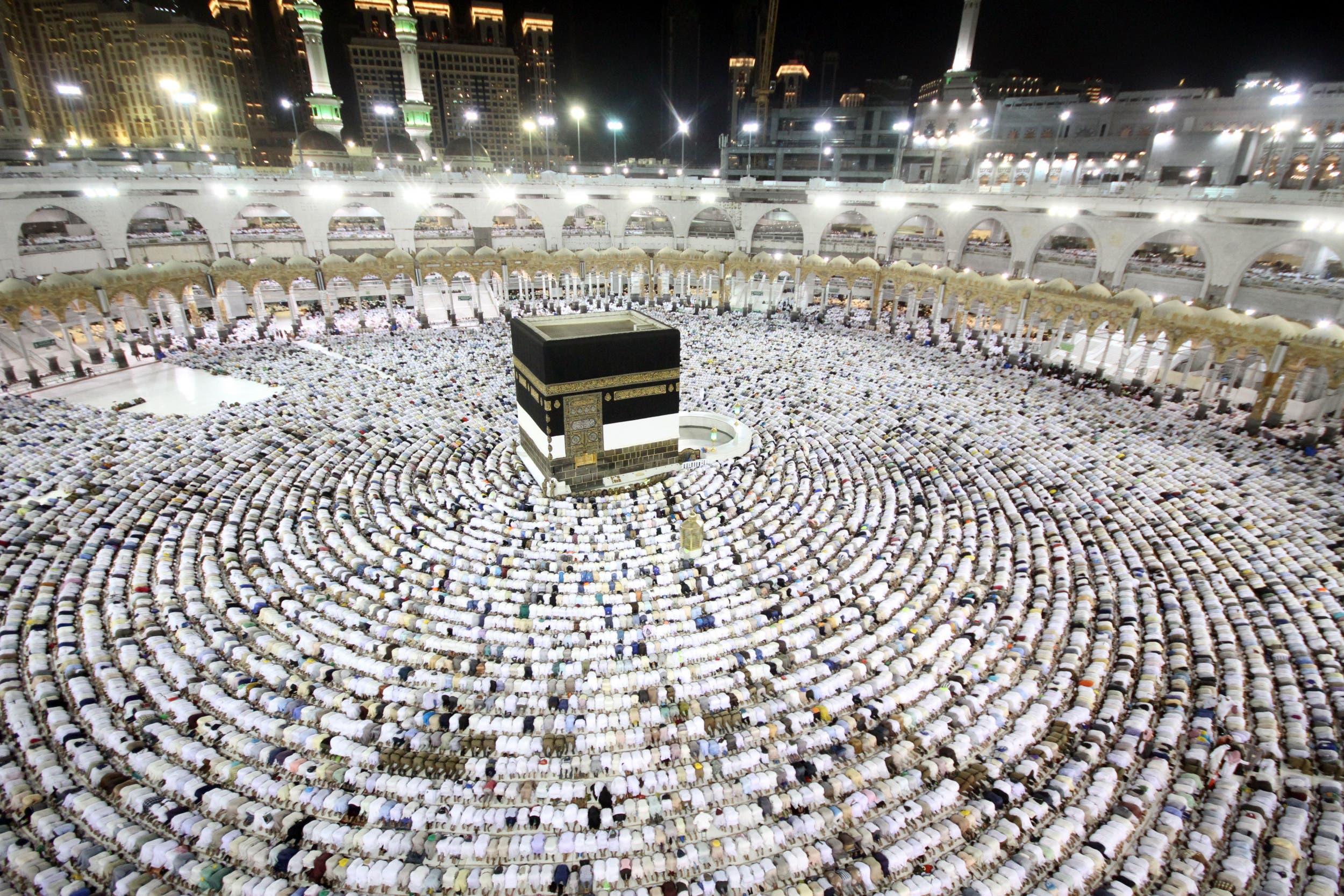
Hajj is not glamorous, it is not exceedingly fun, but it is a somber reminder of the pains and tribulations that those who were the predecessors of Prophet Muhammad went through in the city of Mecca, a reminder of the effort required to rebuild the Kaaba, and a reminder of events and prophets that preceded the dawn of Islam.
Find out what's happening in Philadelphiafor free with the latest updates from Patch.
Naeema Bhatti