Neighbor News
Why Fall is the Best Time to Remove Trees from Your Bensalem Property
For homeowners and business owners who've been putting off tree removal, now's the time to take action before winter arrives.
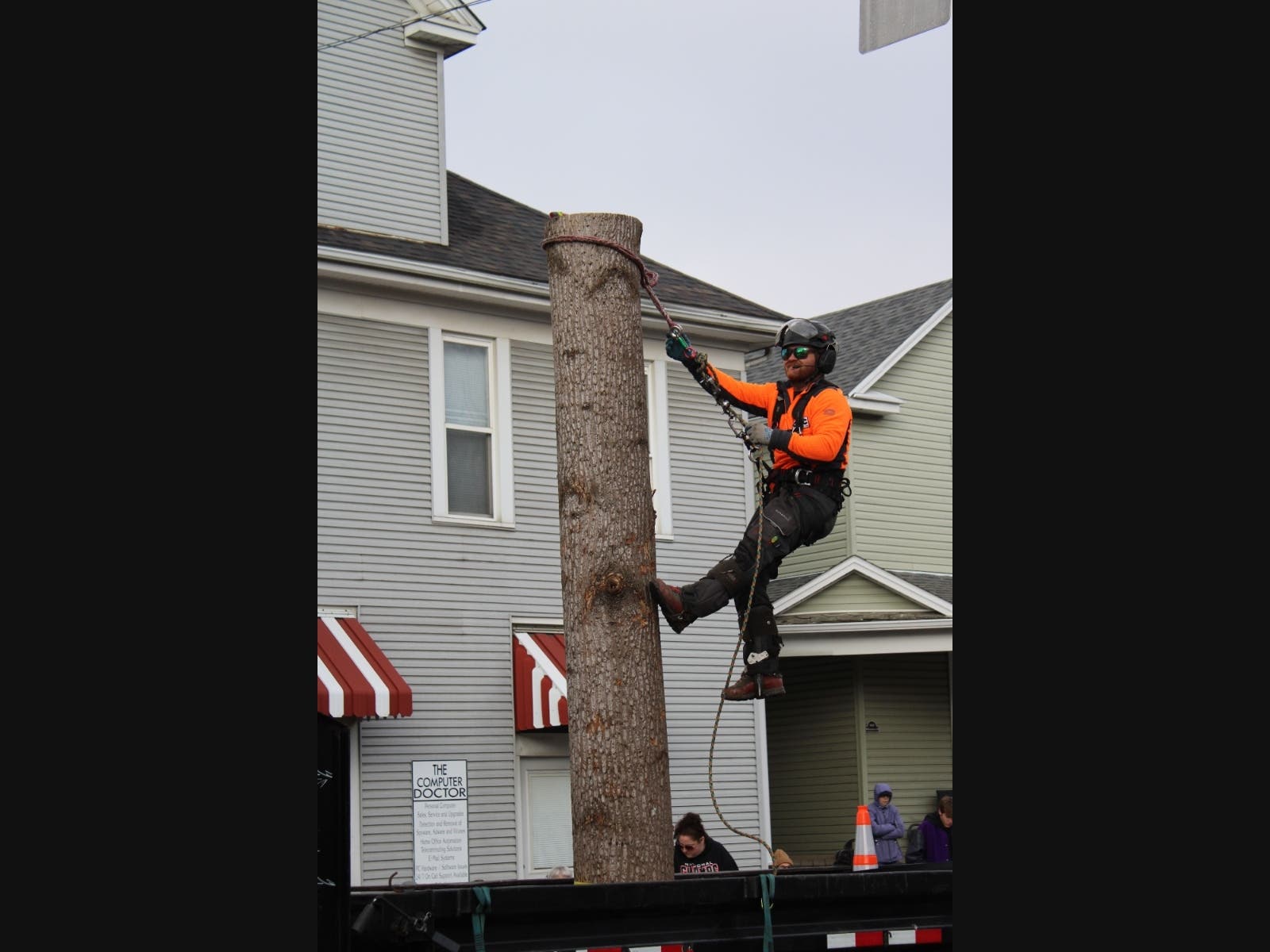
That dead oak in your backyard isn't going to remove itself. And if you've been meaning to deal with a problem tree on your property, fall might be the window you've been waiting for.
As temperatures cool down across Bucks County and leaves start dropping, tree care professionals say this is actually one of the best times of year to schedule removals. It's not just about convenience. There are real practical and biological reasons why autumn works in your favor.
You can finally see what you're dealing with
One of the biggest advantages of fall tree removal is visibility. Once deciduous trees drop their leaves, the entire branch structure becomes exposed. Dead limbs, cracks in major branches, decay at union points. All of it becomes visible when there's no foliage in the way.
Find out what's happening in Philadelphiafor free with the latest updates from Patch.
"Without dense foliage, arborists can clearly see branch structures, weaknesses, and cavities," explains guidance from tree care professionals. This clarity makes it easier to assess exactly what needs to come down and plan the safest approach for removal.
For Bensalem homeowners, this matters. Many properties here have mature trees that have been standing for decades. Issues that were hidden all summer suddenly become obvious once the canopy thins out.
Find out what's happening in Philadelphiafor free with the latest updates from Patch.
Less stress on everything involved
Summer tree removal comes with challenges that most people don't think about. The heat is brutal on work crews, yes, but it also affects the trees themselves and the surrounding landscape.
During the growing season, trees are actively pushing sap and energy into their branches. Cutting during this period can be messier and more disruptive. By fall, sap flow has slowed considerably. The tree is preparing for dormancy, which means less biological activity and cleaner cuts overall.
There's also the matter of your lawn and garden beds. Heavy equipment rolling across your property in the middle of summer can tear up grass that's already stressed from heat. Fall conditions (cooler temps, firmer ground, less active growth) mean less collateral damage to the rest of your landscaping.
According to arborist resources, "removing a tree during dormancy causes less disruption to nearby shrubs, gardens, and lawns." The surrounding plants are winding down too, so they're more resilient to the temporary disturbance.
Getting ahead of winter storms
This is the practical argument that resonates with most property owners. A weakened tree that survives September and October may not make it through a December ice storm or heavy snow.
We've all seen the aftermath. Branches down across driveways, trees toppled onto fences, the occasional roof damage. Emergency removal in the middle of winter is more expensive, more dangerous, and often involves waiting in line behind dozens of other desperate homeowners calling the same handful of tree services.
Taking care of a questionable tree now, while the weather is cooperative and schedules are more flexible, just makes sense. You're not scrambling during a crisis.
When removal isn't necessary: pruning and maintenance
Not every problematic tree needs to come down. Fall is also an excellent time for pruning work that can extend a tree's life and reduce hazards.
The International Society of Arboriculture notes that proper tree pruning helps improve structure, supports healthy growth, and reduces the risk of spreading disease. Without leaves blocking the view, arborists can make more precise cuts and better evaluate which branches actually need to go.
If you're on the fence about removal versus maintenance, fall assessments give you the clearest picture. A certified arborist can tell you whether that leaning maple is salvagable with some corrective pruning or if it's genuinely time to let it go.
For properties with heavy brush: forestry mulching
Tree removal is one thing. But what about properties that have gotten completely overgrown? Old fence lines swallowed by invasives, back acreage that hasn't been touched in years, or wooded areas choked with undergrowth?
This is where forestry mulching comes in, and fall happens to be ideal timing for this work too.
Forestry mulching uses specialized equipment, typically a skid steer with a rotating drum head covered in carbide teeth—to grind standing brush, saplings, and small trees into mulch right where they stand. There's no hauling debris offsite, no burn piles to manage. The vegetation gets processed into a layer of wood chips that stays on the ground, suppresses regrowth, and breaks down over time.
For Bensalem and greater Bucks County properties dealing with multiflora rose, wild grape, autumn olive, or any of the other aggressive plants that take over untended land, this approach clears large areas quickly. A typical setup handles brush and trees up to about six to eight inches thick.
Why fall? Same reasons as tree removal. Better visibility once leaves drop, firmer ground conditions, and the dormancy period means you're not fighting active growth. A comprehensive forestry mulching guide explains that late fall through early spring is generally the ideal window, with less green material to grind and reduced rutting on the property.
The mulch layer left behind also does ongoing work. It holds moisture, protects against erosion, and helps suppress the regrowth of invasives you just cleared out.
What to look for before calling someone
If you're considering fall tree removal or land clearing, a few things are worth checking first:
For individual trees:
- Visible dead branches or sections of the canopy that didn't leaf out last spring
- Fungal growth at the base of the trunk, which often indicates internal decay
- Cracks in major limbs or the trunk itself
- Significant lean that developed recently (not trees that have always grown at an angle)
- Proximity to your house, garage, or power lines
For overgrown areas:
- How thick is the material? Brush mowing handles light stuff; forestry mulching is for the heavier growth
- Any underground utilities, old fencing, or debris that could damage equipment?
- Will you need the stumps ground down, or is mulching to grade sufficient?
A note on timing and availability
Tree services in our area tend to get busier as fall progresses. Everyone realizes at once that they should have dealt with that problem tree months ago. If you're planning removal work before winter, earlier is better, both for scheduling flexibility and potentially for pricing.
Late fall through winter is actually considered the most affordable window for tree removal in most markets. Demand drops after leaf cleanup season wraps up, and crews have more availability. That said, waiting until the last minute before a forecasted storm puts you back in emergency-pricing territory.
The sweet spot for most Bensalem homeowners is October through early December. Weather is usually cooperative, the ground hasn't frozen yet, and you've got time to get quotes from multiple companies before commiting.
Finding the right help
Tree work isn't something you want to gamble on. A bad contractor can damage your property, leave you liable if someone gets hurt, or simply do subpar work that creates new problems down the road. Before you hire anyone, do your homework.
How long have they been in business? Longevity matters in this industry. Companies that have been operating for ten, twenty, or thirty-plus years didn't get there by cutting corners. They've built a reputation and they have something to lose. A brand-new operation with a truck and a chainsaw might offer a lower price, but there's no track record to evaluate.
Can you actually verify they're licensed and insured? Don't just take their word for it. In Pennsylvania, tree services should carry general liability insurance and workers' compensation coverage. Ask for certificates and actually call the insurance company to confirm the policy is current. If a worker gets injured on your property and the company doesn't have valid workers' comp, that liability can fall on you as the homeowner.
What do their reviews say? Check Google, Yelp, the Better Business Bureau, and even Facebook. Look for patterns. Consistent praise for professionalism, cleanup, and communication is a good sign. Recurring complaints about no-shows, surprise charges, or property damage should send you elsewhere. Pay attention to how the company responds to negative reviews too. That tells you something about how they handle problems.
Do they have certified arborists on staff? The ISA (International Society of Arboriculture) certification means someone has demonstrated real knowledge of tree biology and care practices, not just chainsaw operation. For complex removals or health assessments, this expertise matters.
For larger land clearing or forestry mulching projects, experience with the specific equipment is essential. Ask what size machine they're bringing, what diameter material it handles, and whether delivery and cleanup are included in the quote.
And as always, get more than one estimate. Pricing in this industry varies more than you'd expect, and the cheapest option isn't always the best value. Sometimes it's the most expensive one in the long run.
Have a tree removal or land clearing project you've been putting off? Fall conditions in Bensalem won't last forever. If you've got questions about what your property needs, reach out to a local certified arborist for an assessment.