Neighbor News
MemBREWfest at Historic Yellow Springs
A fun afternoon of craft beer, spirits and food tasting with live music in a beautiful historic village. RAIN OR SHINE
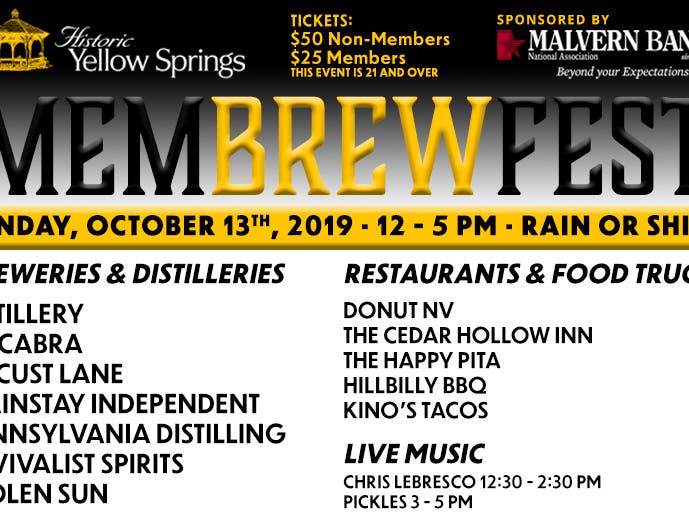
Join us this Sunday, October 13th from 12 - 5 PM for the first annual MemBREWfest at Historic Yellow Springs. Craft Beer and spirits tastings from Artillery Brewing, La Cabra Brewing, Locust Lane Craft Brewery, Mainstay Independent Brewing, Pennsylvania Distilling Co., Revivalist Spirits, and Stolen Sun Brewing and Roasting Co. Food tasting from Donut NV, the Cedar Hollow Inn Restaurant and Bar, the Happy Pita, Hillbilly BBQ, and Kino's Tacos. Bring a chair or a blanket and enjoy live music in the courtyard from Chris Lebresco (12:30 - 2:30) and Pickles (3-5). The game will be on inside the Washington building for all of you die hard Eagles fans! The first 250 people in the door will receive a free HYS tasting glass!
Each ticket includes:
• A membership to Historic Yellow Springs, offering discounts on events, fine arts and ceramic classes, and workshops.
Find out what's happening in Phoenixvillefor free with the latest updates from Patch.
• Discounts at participating local businesses.
• 10 Beer or Spirits tasting tickets.
Find out what's happening in Phoenixvillefor free with the latest updates from Patch.
• 5 Food tasting tickets.
Tickets: $50 Non-member $25 Members
To purchase tickets to the MemBREWfest visit our website yellowsprings.org
Tickets will also be available at the door.
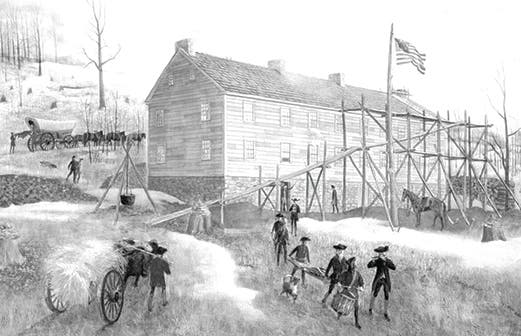
The village of Yellow Springs dates back to around 1722. beginning as a colonial spa built around the natural iron spring after which the village was named. George Washington and Alexander Hamilton marched to Yellow Springs on September 17, 1777, following the Battle of the Brandywine and the Battle of the Clouds and established a temporary headquarters at the Yellow Springs Tavern. Washington petitioned the Continental Congress to build the first military facility, a Revolutionary War Hospital here. where you can still see the ruins today.
After the war, the Yellow Springs Spa reopened and reached new heights as the fashionable place to be and be seen. The Revolutionary War hospital building became the chief lodging for visitors to this beautiful resort. Additional natural springs were discovered, including a sulfur and a magnesium spring. Visitors to the spa included James Madison, James Monroe, Dewitt Clinton, Henry Clay, and Daniel Webster. The Famous Siamese Twins Chang and Eng Bunker appeared here. English actress Fanny Kemble visited the spa along with the famed "Swedish Nightingale" songstress Jenny Lind, whose performance delighted the guests. The popularity of the Yellow Springs Spa dwindled with increased knowledge in medicine, and opposition from the local temperance movement. All Spa activities ceased when the Civil War erupted.
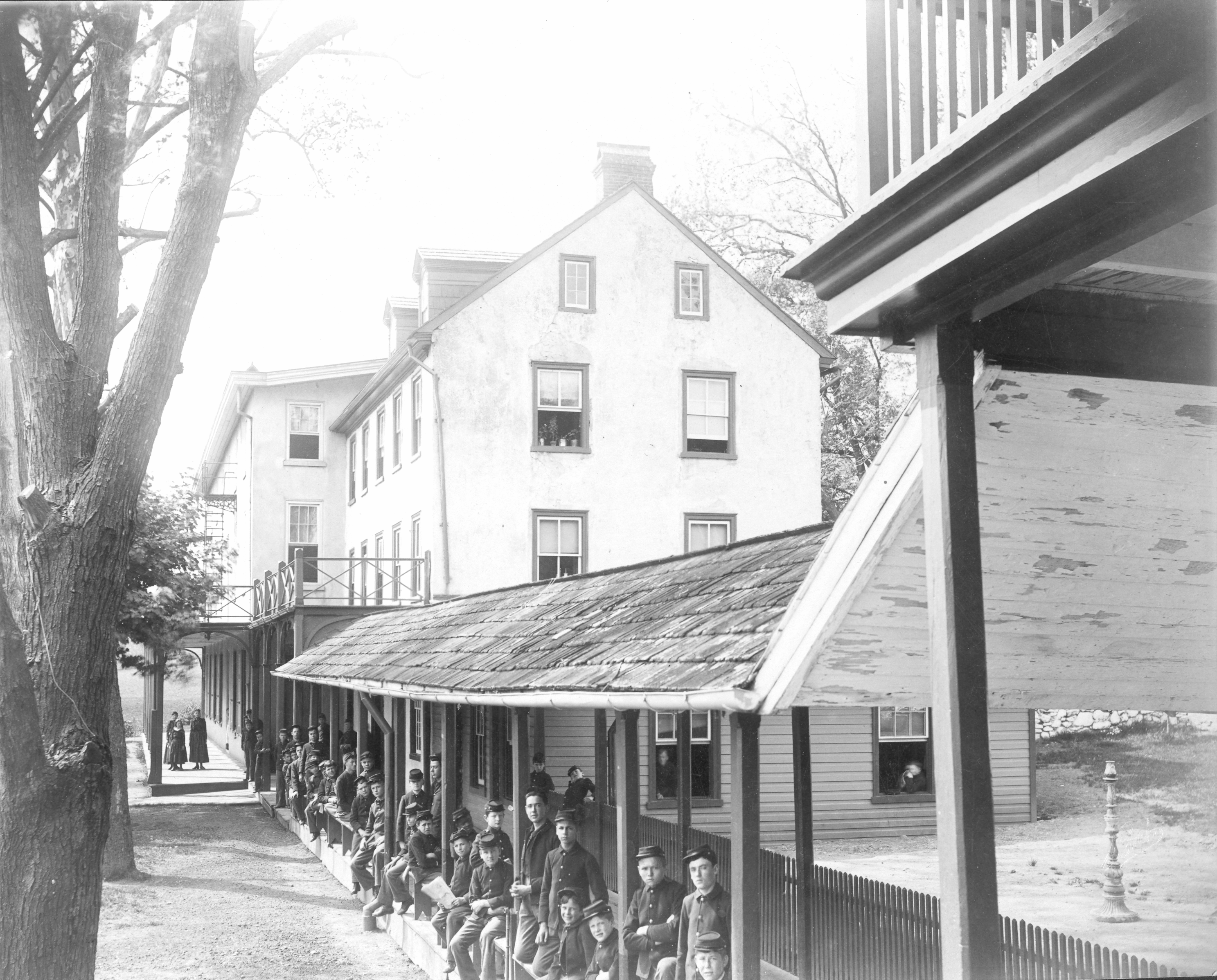
The Commonwealth of Pennsylvania acquired the spa in 1868 and established the property as an orphanage for children of Civil War Soldiers. Later, children came whose fathers were destitute or died from any cause. In 1869, the Chester Springs Orphans School and Literary Institute opened. By 1889, the Chester Springs School was part of a statewide system of 23 institutions with 3,631 students. The students wore uniforms made from the remnants used to make the Union Army uniforms. Schooling ended at the age of 16, boys went on to farming or trades, and girls had the option of attending the West Chester Normal School, now known as West Chester University to become teachers. The Chester Springs school closed in 1912, and the property once again was for sale.
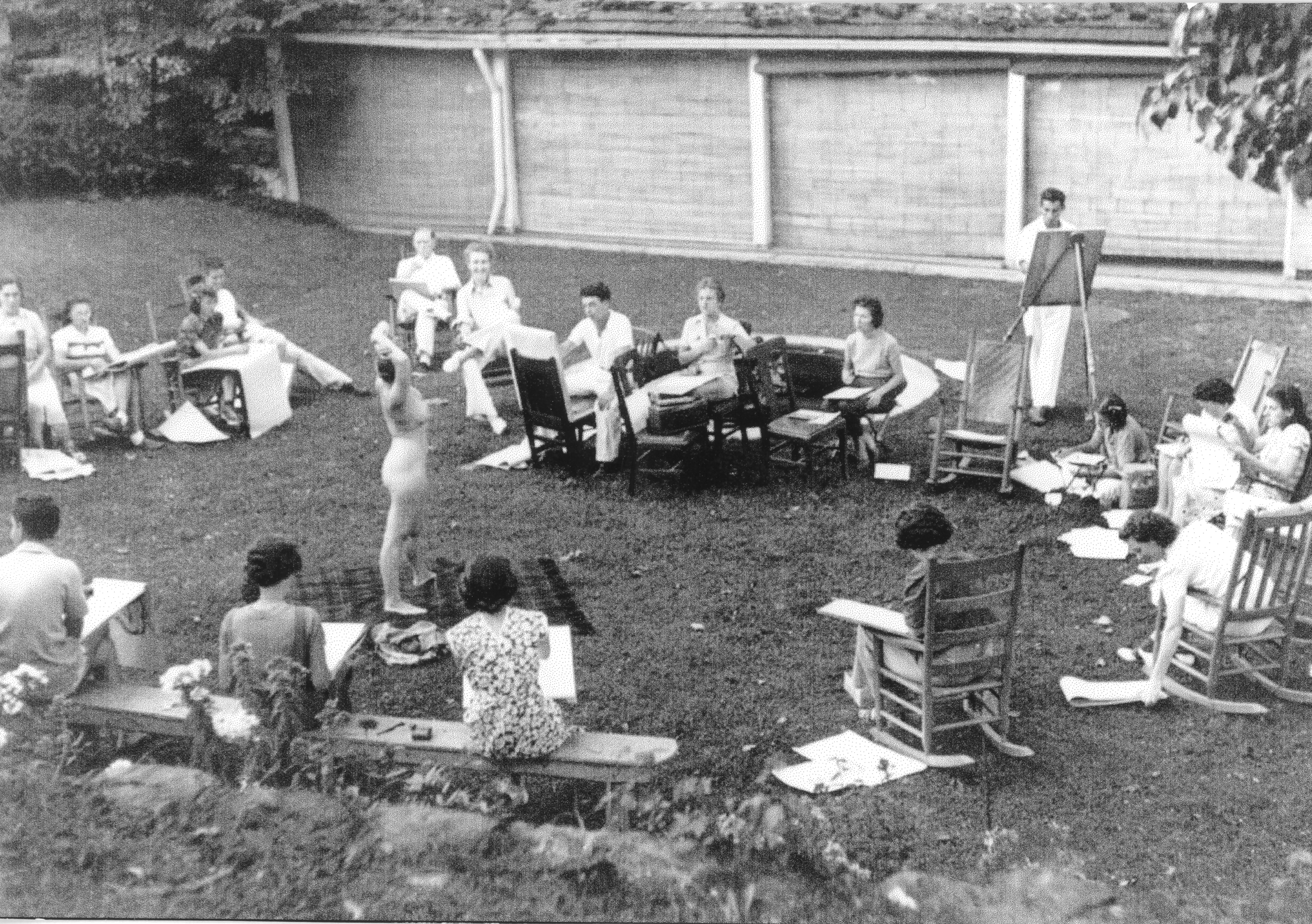
The Pennsylvania Academy of Fine Arts purchased the property in 1916 for a summer
school. This area has always been known for its beautiful landscape, the common thread
that binds the many eras of our village. The school was an instant success, allowing
American students to paint en-plein-air with nude models in nature. This was not
something happening at other art academies due to there urban settings. The artists of
Chester Springs roamed the countryside painting the woods, streams, old houses,
animals, and barns, using local residents as models. In 1927, the Country School became
a year-round school remaining open during the winter months. Like the days of the
orphans school, the male students lived in the Washington building, and the women lived
in the Lincoln building. The Country School closed during World War II but did reopen.
Life changed after the war, and so had the direction of art, and in 1952 the Pennsylvania
Academy of Fine Arts Country School closed.
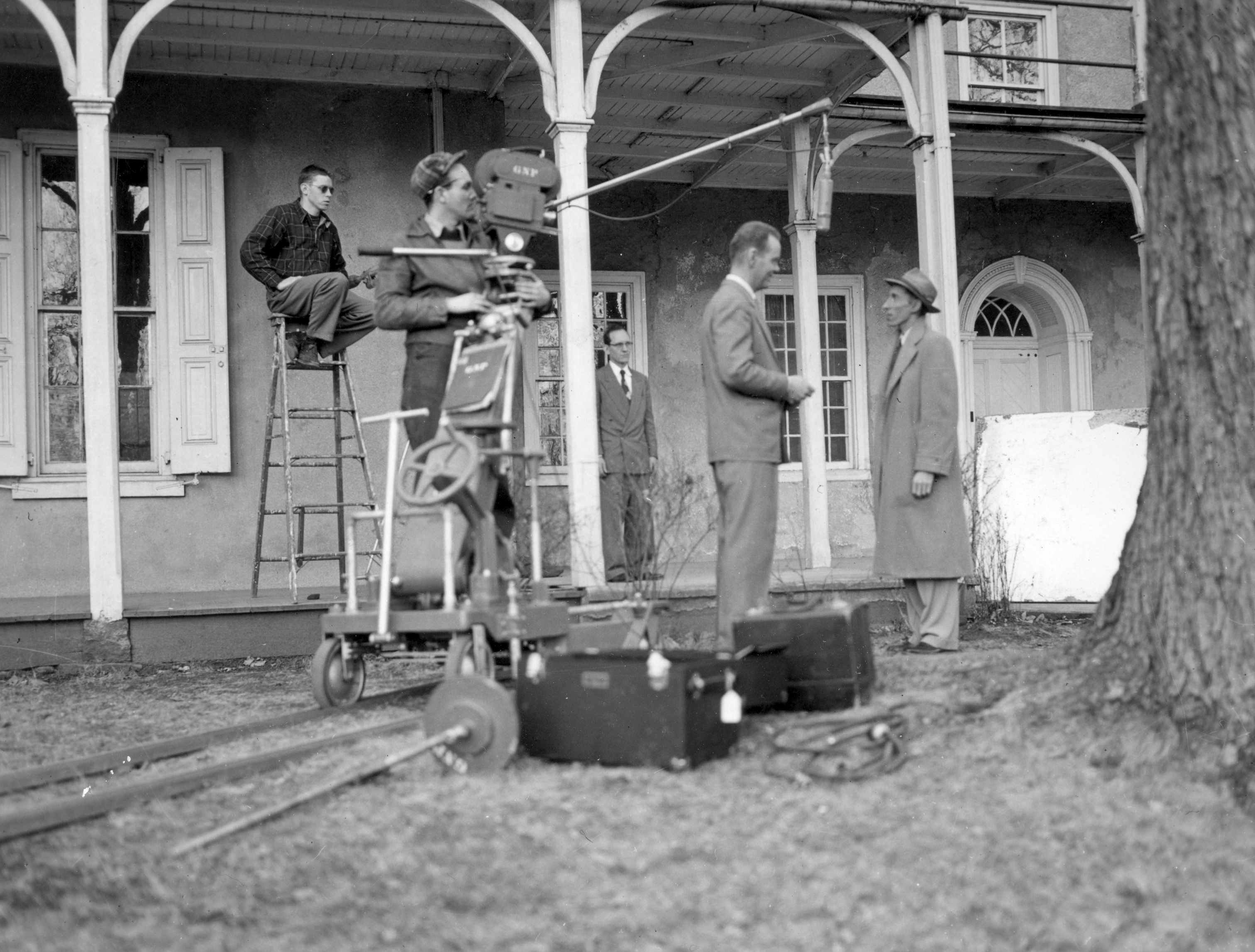
The creative and artistic atmosphere of the rural community of Chester Springs was
stirred into a genre when movie-making arrived here in 1952 with the Good News
Production Company. A young 26-year-old film director-producer had purchased the
historic village of Yellow Springs and set up studios here. Irvin Shortness Yeaworth, Jr.
known as “Shorty” saw this location as ideal for the Christian and educational films that
he desired to make. In 1952 twenty-three adult professionals (most 25 - 30 years of age)
and 17 children moved to the Chester Springs location from Philadelphia. Along the way,
Shorty ventured into some Hollywood Productions. Valley Forge Films produced
well-known films that include The 4-D Man, Dinosaurus!, and of course, THE BLOB. The
staff and their wives served as assistant directors, prop men, makeup artists, press
representatives, production managers, scriptwriters, sound recorders, photographers,
animators, cameramen, lighting men, and actors when needed. All lived in the buildings
in the village as the houses became residencies, and apartments were established in the
old hotels. They ate three meals a day country style at the commissary in the Washington
building. It was very much a communal atmosphere. The production company was also
a part of the community and allowed the use of the property for programs for the many
new families with young children that were moving into the area. Along with Shorty,
community member Connie Fraley organized lectures and programs in art, music,
science, and history. In all, 400 films and documentaries were produced here. Tough
times, however, forced Yeaworth to put the property on the market.
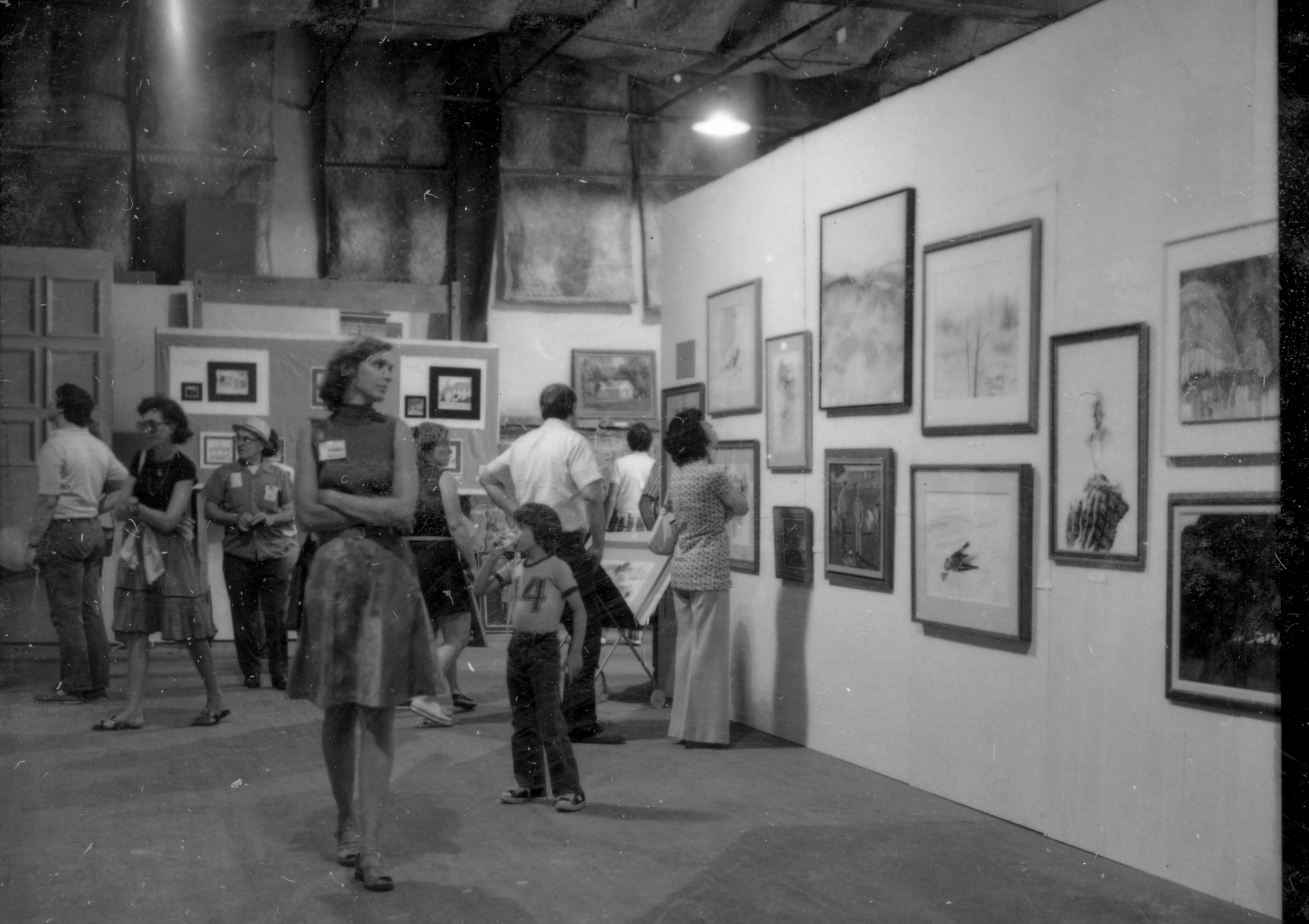
In 1973, the historical buildings and 145 acres went up for sale. Members of the
community knew that this place needed to be preserved. They quickly formed the Yellow
Springs Association and later the Yellow Springs Foundation to purchase, maintain and
preserve the buildings. In 1976 the Foundation joined the Yellow Springs association to
form Historic Yellow Springs Inc. The mission of Historic Yellow Springs, Inc. is to share,
preserve and celebrate the unique living village of Yellow Springs, with a focus on history,
art, education and the environment. The focus remains true today, and HYS has so much
to offer to the community. Fine arts classes are still held in the studio barn, with drawing
and painting on the top floor and a ceramics and sculpture studio in the basement. There
are walking trails throughout the property, with many gardens, including an 18th century
inspired herb garden behind the ruins of the hospital. Meadows once used for drills at
the Orphan School, and tennis courts for the PAFA students are now used for concerts and
other events. The Lincoln building is where the administrative offices are located. This is
also where exhibitions including the annual Yellow Springs Art Show, that just completed
it’s 46th year. The Moore Archives are located on the third floor. While history is characterized
by change, it is also characterized by continuity. Here in our village, we see both. We have
changed over the centuries, but with adaptive re-use of the buildings and grounds, the
village has remained intact for almost 300 years. The village literally spans the history of
our nation. We strive to be worthy custodians of the rich and dynamic history.