Arts & Entertainment
'Night Of The Living Dead': Pittsburgh Zombie Classic Turns 50
Renowned Pittsburgh film critic Ed Blank shares his thoughts on the film's visceral punch and why it endures 50 years after its release.


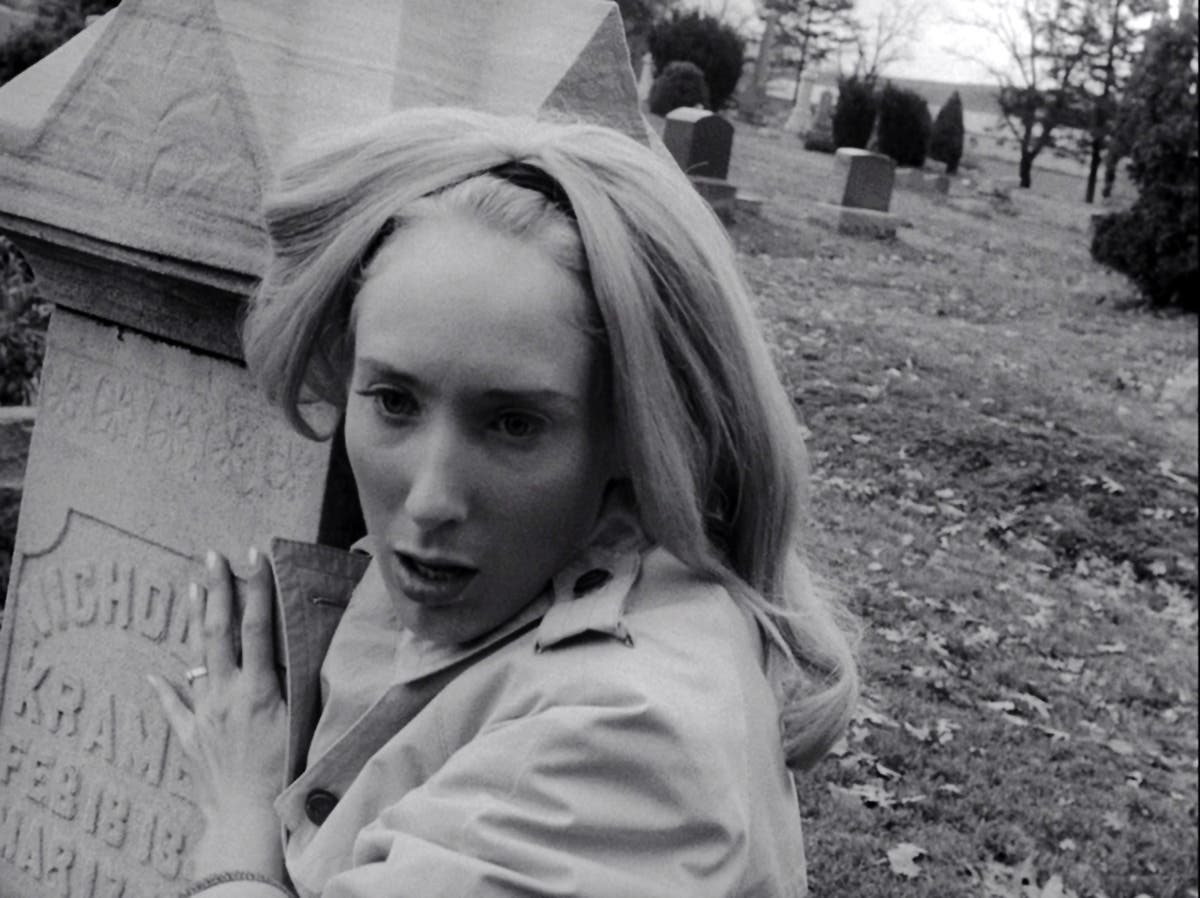


PITTSBURGH, PA - Rolling Stone named it one of the 1o best horror films of all time. The movie holds a 97 percent rating on Rotten Tomatoes. It continues to influence pop culture in movies and TV shows such as “The Walking Dead.”
But 50 years after its release on Oct. 1, 1968, the phenomenal and enduring success of the late George A. Romero’s “Night of the Living Dead” inevitably sparks the question: How did a cheesy $114,000 horror film become an estimated $30 million grosser, spawn sequels and remakes and become a part of the language?
For the answer, Patch turned to Ed Blank, who spent decades as a renowned movie critic with The Pittsburgh Press and Pittsburgh Tribune-Review. Blank graciously agreed to share his thoughts and they encompass the rest of this post.
Find out what's happening in Pittsburghfor free with the latest updates from Patch.

Like all extraordinary successes that long outlive their anticipated shelf life, including “The Wizard of Oz,” “Casablanca,” “It’s a Wonderful Life,” “Rebel Without a Cause,” “Psycho” and “Easy Rider,” zeitgeist has to be counted as a contributing factor.
Sometimes, largely by chance, a film plugs so effectively into the mood of the moment that it outperforms expectations. That it sustains its popularity decades later can be ascribed partly to sentiment but mainly to elements that may have been designed carefully but which, beyond that, strike a chord for generation after generation.
It’s Judy Garland singing “Over the Rainbow,” Humphrey Bogart’s Rick saying, “Here’s looking at you, kid” and Janet Leigh stepping into a fatal shower bath, a moment that achieved a primal response from hundreds of millions of people who forever after considered their vulnerability in those daily moments of naked cleansing.
It takes nothing away from co-writers George A. Romero and John Russo, producers Karl Hardman and Russell Streiner, the ensemble cast of unknowns and especially Romero in his capacity as director to say that “Night of the Living Dead” was largely and significantly a happy accident.
When we think of exceptionally memorable lines such as “I made him an offer he couldn’t refuse” (“The Godfather”), “I’ll be back” (“The Terminator”) and “We’re gonna need a bigger boat” (“Jaws”), it’s fair to include what seemed like a throwaway line in Romero’s movie: “They’re coming to get you, Barbara.”
I remember seeing “Night of the Living Dead” on its first Friday night at a theater I patronized three or four times a month, the now-defunct South Hills in Dormont.
It was, as I’d seldom seen it before, packed with an audience that was wired with anticipation to respond to the movie.
One of the featured players, WIIC-TV’s Bill Cardille, who plays a TV reporter in the picture, had been promoting the movie heavily on his late Saturday night “Chiller Theater” and possibly on his dinnertime Saturday “Studio Wrestling.”
Inevitably many in the audience at indoor and outdoor theaters throughout the district were expecting something even edgier than the old horror and sci-fi pictures regularly shown on “Chiller Theater.” And Cardille was such a familiar, friendly local TV personality.
But they couldn’t have guessed what they were in for – a film that one month later, with the inception of the Motion Picture Association of America, would have trouble even getting by with an R rating.
So graphic were “Living Dead’s” scenes of zombies dismembering human bodies by pulling off bloody limbs and gnawing on them that a woman seated directly in front of me gasped several times, appalled, and then took her small son forcefully from his seat and departed swiftly and angrily up the aisle.
It was hardly the last film to succeed by startling and even shocking its intended audience to such a degree, but it was and has remained a great example of a picture that did so and did not fade when the moment of its initial triumph had passed.
That it was made by such genuinely nice people as Romero, Russo, Streiner and Hardman may be its greatest paradox.
Images and poster via Shutterstock.
Find out what's happening in Pittsburghfor free with the latest updates from Patch.
Subscribe to Pittsburgh Patch for more local news and real-time alerts.
Get more local news delivered straight to your inbox. Sign up for free Patch newsletters and alerts.