Schools
Penn State Cancels Proud Boys Founder Talk After Protests
The threat of violence compelled Penn State to cancel a talk scheduled by Proud Boys founder Gavin McInness.


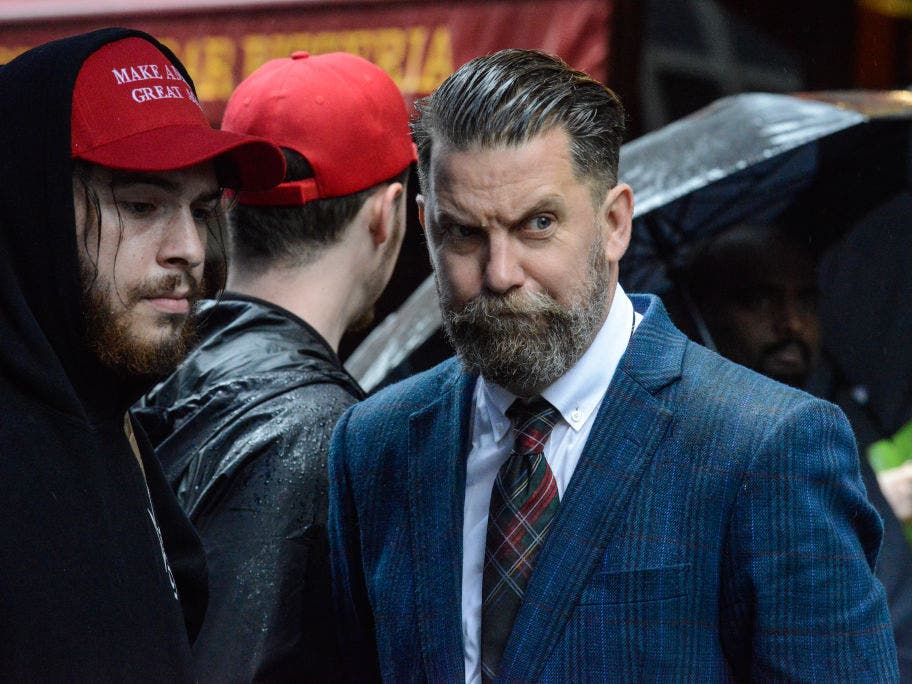
UNIVERSITY PARK, PA — Penn State University on Monday canceled a controversial scheduled speaking event featuring Proud Boys founder Gavin McInness after hundreds of people on campus protested his scheduled appearance.
The event, titled "Stand Back & Stand By," was to spotlight McInness, founder of the all-male Proud Boys group that the Southern Poverty Law Center has designated as a hate group. The organization is known for its alt-right, white nationalist and misogynistic stances.
More than 40 Proud Boys members have been indicted in connection with their involvement in the Jan. 6 Capitol riot, with several facing charges of seditious conspiracy, according to The New York Times. The Jan. 6 House committee investigating the assault on the Capitol has suggested the Proud Boys played a significant role in the attack.
Find out what's happening in Pittsburghfor free with the latest updates from Patch.
As the number of protesters outside the building where McInness was to speak swelled significantly Monday, Penn State decided to cancel his appearance.
"Due to the threat of escalating violence associated with tonight’s event, Penn State University Police determined that it was necessary to cancel the speaking event in the interest of campus safety," the university stated in a news release issued late Monday. "Demonstrations regrettably turned violent."
Find out what's happening in Pittsburghfor free with the latest updates from Patch.
There was no immediate word as to whether anyone was arrested during the protest.
Penn State said the university has been clear that the views and speech of McInness and another scheduled speaker - Alex Stein, whose podcast was banned from YouTube for violating hate speech guidelines - are abhorrent and don't align with Penn State values.
"We have encouraged peaceful protest, and, while protest is an acceptable means of expression, it becomes unacceptable when it obstructs the basic exchange of ideas," the university release stated. "Such obstruction is a form of censorship, no matter who initiates it or for what reason."
Get more local news delivered straight to your inbox. Sign up for free Patch newsletters and alerts.