Health & Fitness
Philadelphia Lays Groundwork For Safe Injection Sites
While the city won't operate or fund sites, officials will facilitate talks with stakeholders and organizations that may open and run them.


PHILADELPHIA – City of Philadelphia officials announced Tuesday their support for private businesses to develop "safe injection sites" in the city's fight against the opioid epidemic. This puts Philadelphia on the forefront of the push to open safe injection sites in the nation, along with Seattle, Washington, and Ithaca, New York.
Officials also provided updates on 18 recommendations made by the The Mayor’s Task Force to Combat the Opioid Epidemic in May 2017.
But the main takeaway from Tuesday's announcement is officials' support of the safe injection sites, called Comprehensive User Engagement Sites (CUES).
Find out what's happening in Roxborough-Manayunkfor free with the latest updates from Patch.
"Philadelphia’s fatal overdose rate is the worst in the nation among large cities, and incidents of overdose have steadily increased to an alarming degree," Mayor Jim Kenney said about the decision to support the private development of CUES. "I applaud the work of the Task Force and city leadership in taking this bold action to help save lives."
According to the city, CUES are walk-in medical intervention centers where essential services – including referral to treatment centers, supervised drug use, and access to sterile injection equipment as well as naloxone – are provided to reduce substance use, the harms associated with substance use, and fatal overdoses, officials said.
Find out what's happening in Roxborough-Manayunkfor free with the latest updates from Patch.
The development by a private-sector entities of one or more CUES is a harm-reduction strategy, and taken together with multiple other strategies will move the city forward in addressing the opioid crisis by saving lives and reducing the public disorder caused by open air drug use, officials said.
"We cannot just watch as our children, our parents, our brothers, and our sisters die of drug overdose," Dr. Thomas Farley, Philadelphia Health Commissioner, said. "We have to use every proven tool we can to save their lives until they recover from the grip of addiction."
City officials visited Vancouver, British Columbia and Seattle, Washington, in November last year to study similar CUES facilities.
"Our visits to Vancouver and Seattle really hit home that establishing CUES is just one piece of the puzzle to address the opioid crisis," Eva Gladstein, Deputy Managing Director of Health and Human Services, said.
Officials also released a scientific review of studies of supervised injection facilities, which showed that these facilities reduce deaths from drug overdose; prevent HIV, hepatitis C, and other infections; and help drug users get into treatment.
The report estimates that one site in Philadelphia could prevent up to 76 deaths from drug overdose each year.
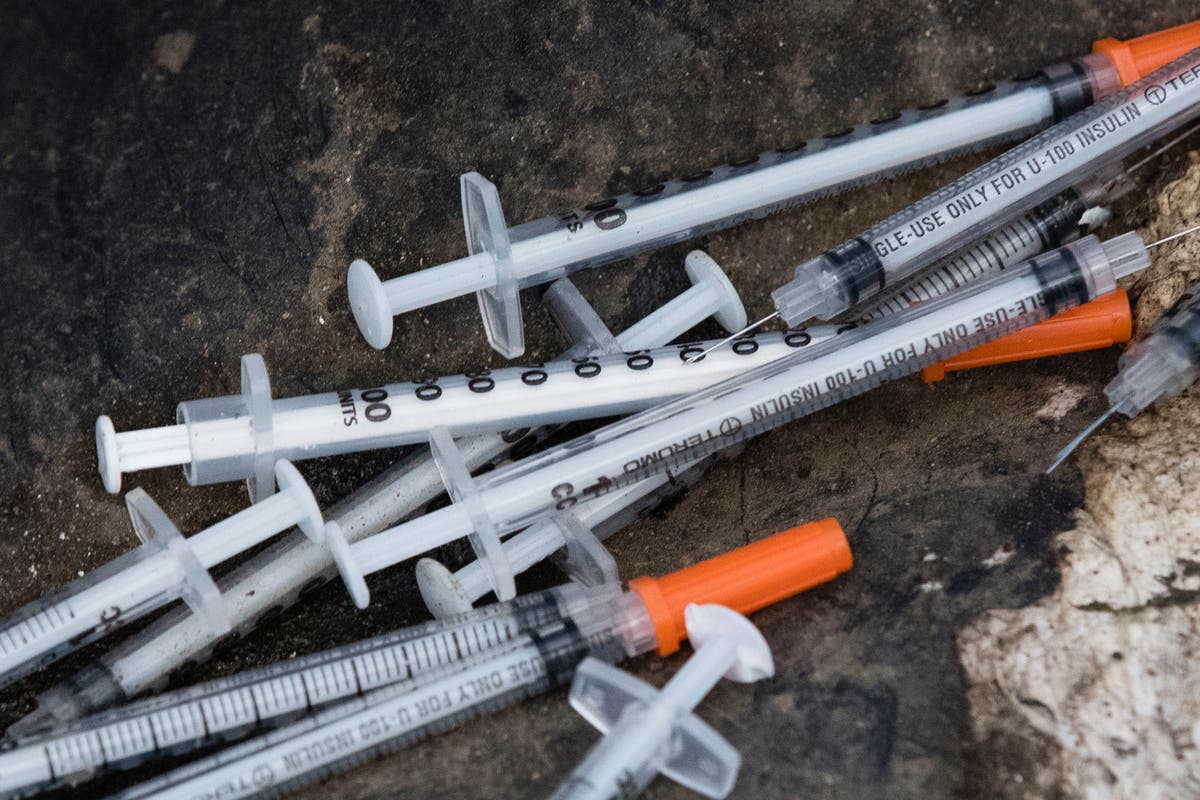
The review also concluded that a CUES would also help clean up communities hit hard by drug use, as CUES have been shown to reduce the number of littered syringes and other injection materials, the amount of drug injection in public, and neighbors’ perception of disorder.
Moving forward, the City will actively encourage organizations – such as community nonprofits or medical organizations – to operate and fund one or more CUES.
While the city will not operate or fund the sites, city agencies and officials will bring together key stakeholders and identify organizations that are interested in operating, funding, or offering a location for such facilities, officials said.
The city will educate residents about the opioid epidemic and how CUES fits into the larger solutions, as well as develop plans for coordinating or integrating other key services, particularly drug treatment, with the facilities.
Led by the Philadelphia Department of Public Health and the Department of Behavioral Health and Intellectual disAbility Services, the City is currently implementing many of the recommendations presented by the Task Force. The recommendations being implemented include:
- Increasing outreach and access to Medication-Assisted Treatment
- Developing "warm hand-offs" from Emergency Departments and the EMS system so that someone who has recently overdosed is connected as quickly as possible to treatment
- Distributing the opioid overdose antidote naloxone to first responders, people who use drugs and community members
- Providing “low-barrier” housing options that do not require sobriety
- Working with residents to mitigate the quality of life issues that have arisen in neighborhoods close to the epicenter of the opioid epidemic
- A second phase for of the Don't Take the Risk campaign is planned for 2018
- Mayor Kenney met with the heads of all large health systems in Philadelphia asking that they reduce their prescribing of opioids and help addicted people get treatment. The Health Department and the Department of Behavioral Health have had follow-up meetings with each health system in the city to help them implement this request.
- The Health Department met with every health plan in the state of Pennsylvania and encouraged them to adopt policies that limit over-prescribing of opioids. Several plans have already adopted or are phasing in these policies
- City agencies will administer or distribute 35,000 doses of naloxone to persons who might witness and be able to treat overdoses.
#PHLOpioids pic.twitter.com/tm75l7qlzz
— Philadelphia Department of Public Health (@PHLPublicHealth) January 23, 2018
This July 31, 2017, file photo shows discarded syringes in an open-air heroin market that has thrived for decades, slated for cleanup along train tracks a few miles outside the heart of Philadelphia. Philadelphia wants to become the first U.S. city to allow supervised drug injection sites as a way to combat the opioid epidemic, city officials announced Tuesday, Jan. 23, 2018, saying they would seek outside operators to establish one or more safe injection sites. (AP Photo/Matt Rourke, File)
Get more local news delivered straight to your inbox. Sign up for free Patch newsletters and alerts.