Politics & Government
Township Takes Aim At Grease, Oils and Fats
New program is designed to keep restaurant grease out of the sewer system.

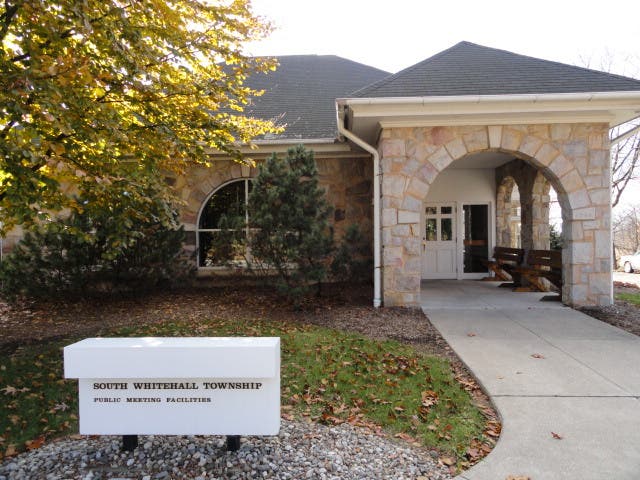
South Whitehall officials don’t want kitchen grease, fats and cooking oils making their way into the township sewer system and clogging it up.
They sent the message to residents in a newsletter, instructing them on the proper way to get rid of the grease in their kitchens, whether from cooking burgers or frying potatoes.
Now their attention turns to restaurants and sandwich shops, as they launch a program that will ultimately keep tabs on how well restaurants do in trapping their kitchen grease and keeping it out the sewer system.
Find out what's happening in South Whitehallfor free with the latest updates from Patch.
The Board of Authority, which is charged with maintaining the township’s sewer and water system, promises to move slowly – first educating restaurant owners as to what is expected of them, then conducting inspections.
“This is new territory,” newly selected board chair Richard O. Klotz told township commissioners Monday. “We need to move slowly, but we need to move step by step to the end game.”
Find out what's happening in South Whitehallfor free with the latest updates from Patch.
The authority board had invited the township commissioners to their meeting on Monday to explain the program and answer questions. Klotz said he recognized that the commissioners would likely be the ones to hear any complaints, if there are any complaints. Commissioners Brad Osborn, Howard Ellsworth, Thomas Johns and Tori Morgan attended.
Klotz said the authority board had been working two years on the program, and late last year, passed a resolution setting up guidelines on how to conduct inspections.
He said the authority board wants the program to be “reasonable,” not heavy handed. He anticipated that several hundred businesses would be affected.
Township staff will implement the program and start by gathering data from restaurants and sandwich shops: Do they have grease traps? Where are they located? Are they being cleaned? How often? Are they using certified cleaners? Are they maintaining logs of the maintenance?
The data will help determine whether a grease disposal problem exists and how best to handle it, Klotz said. Ultimately, fines could be imposed. He did not elaborate.
Klotz said that grease traps, if properly maintained, collect all the restaurant grease. They are usually located in the kitchen or utility closet. Depending on the size of the business, the trap could be capable of collecting 1,000 gallons of grease, or more.
One concern among the commissioners was how restaurant owners would be notified of the program. A letter was suggested.
When asked for his perspective, township manager Jon Hammer advised the authority board to make sure everyone knows the rules before any enforcement action is taken. “The educational aspects of this are so important,” he said.
In the newsletter sent to residents, township officials explained that proper grease disposal helps the environment and prevents sewer backups.
Klotz gave another reason too: it keeps sewer rates down for residents and businesses, if the township avoids higher costs for waste treatment.
Get more local news delivered straight to your inbox. Sign up for free Patch newsletters and alerts.