Health & Fitness
PA School District's Problems: Taxpayers Draw Short Straw
We want the quality of our school districts maintained, but ... if the residents can no longer afford to live in the community, then what?

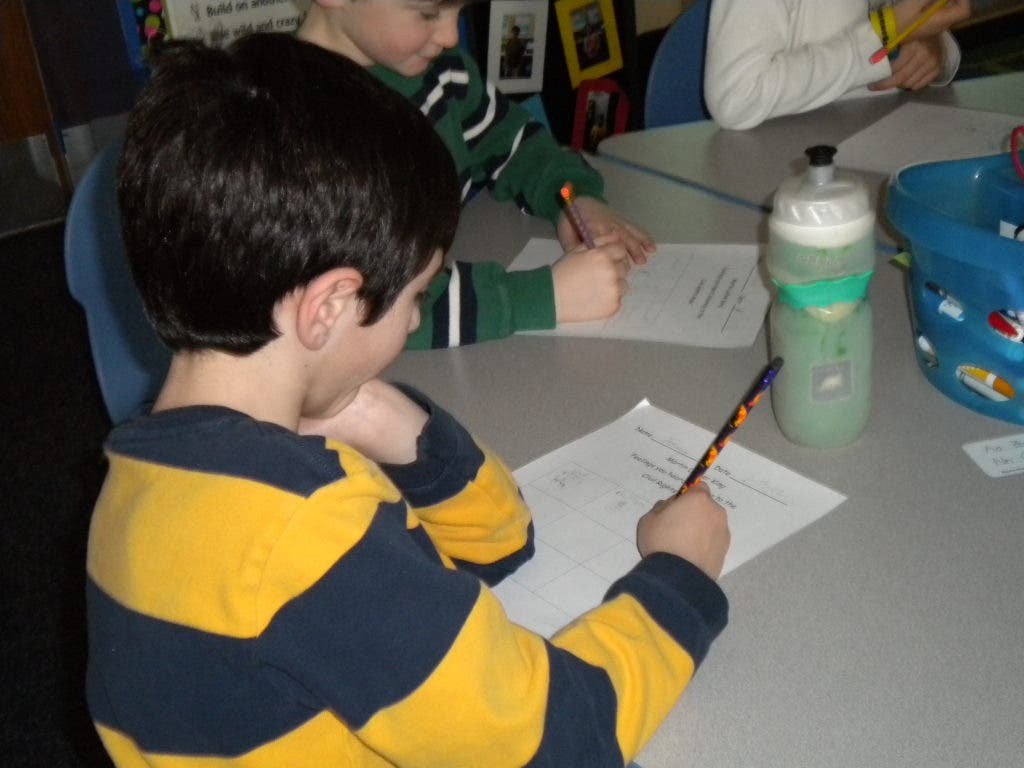
Pennsylvania State Education Association (PSEA) the state teachers union recently released a study, Sounding the Alarm, which looks at the financial crisis in school districts across the states. The paper examines how districts are being forced to cut educational programming to meet the demands of school budgets because of the public schools financial crisis.
The PSEA report identifies the following five key problems that have combined to create a financial crisis in the public schools.
1. State Budget Cuts. Unprecedented state funding cuts and the elimination of key funding programs have compounded underlying, systemic problems, particularly for lower-wealth districts.
Find out what's happening in Tredyffrin-Easttownfor free with the latest updates from Patch.
2. Charter School Payments. Charter and cyber charter school laws result in a net increase in costs to school districts.
3. Declining Tax Bases and Rate Limits. Declining local property values and caps on property tax increases have eroded school districts’ tax bases and curtailed their ability to raise much-needed revenues.
Find out what's happening in Tredyffrin-Easttownfor free with the latest updates from Patch.
4. Underlying Fiscal Weakness. School districts showing the greatest underlying financial weakness had fund balances averaging 1.27 percent of total expenditures. These districts tend to be relatively small, rely heavily on a single source of revenue, have a small amount of buffer within their budgets, and carry a heavy debt load. They range in type from urban school districts, to small districts in the coal regions and Monongahela Valley, to rural districts in the central and western parts of the state.
5. Pension Cost Increases. A decade-long “holiday” that allowed employers to avoid paying their share of retirement contributions, coupled with investment losses from 2008 and 2009, forced the current increase in employer payments.
In the Education section of this week's Philadelphia Inquirer, we learn that Philadelphia schools may not be opening in September due to a budget gap for 2012-13 of $218 million! The school district officials are hoping that the five unions operating in the Philadelphia public school system will ‘giveback’ $156 million to help next year’s budget. There is discussion of privatizing the custodial services; officials think they can raise another $50 million from maintenance, transportation and custodial cutbacks. Even if this wishful thinking translates into a reality for Philadelphia public schools, they figure they will still end up short by $94 million.
In the meantime, Mayor Nutter is trying to collect $90 million in taxes for the school district next year by shifting to AVI (Actual Value Initiative) system for property taxes. Nutter claims that the new system will more accurately indicate the increase in market value of properties in the city but includes two tax hikes to Philadelphia’s properties owners.
Whether it’s PSEA or Mayor Nutter in the city, why is it that the solutions have one thing in common – the burden falls to the taxpayer with increased property taxes. I’m really struggling to understand how taxpayers are going to survive the increases in the tax bills. We all want the quality of the school districts like T/E maintained, and we get that our property values are tied directly to the desirability of the educational program but … if the residents can no longer afford to live in these communities, than what difference does it make?
To read full story and comments, click here.
You can also share your thoughts in the comments section at the bottom of this blog post.
--------------------------------------------------------------------
Community Matters: Your Voice Matters ... Join the Conversation!