Schools
College Countdown–Part II: Laundry Boot Camp
Doing laundry may seem second nature, but it is not. My daughter said other students had "no clue how to do laundry." Teach your child the basics before he or she leaves for college.
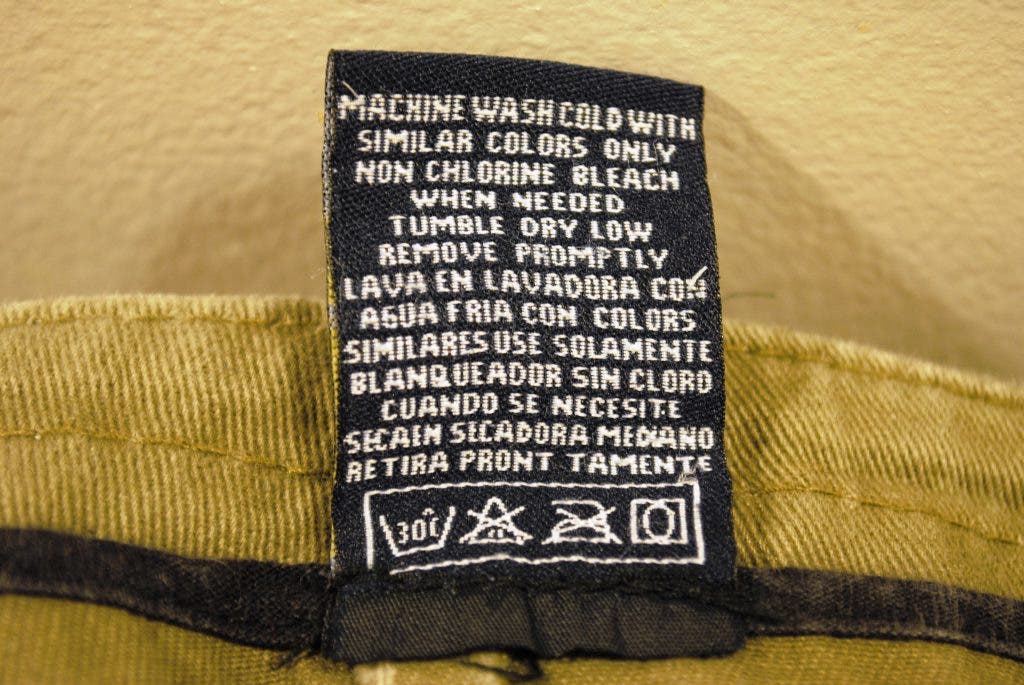


Although doing laundry may be second nature to you, it is not an inborn trait. If your son or daughter does not know how to sort, wash and dry clothes, it is time for Laundry Boot Camp.
Reduce his (or her) first-semester stress level by imparting practical knowledge to your child before he departs for college.
Full disclosure: My daughters did not appreciate their at-home laundry primer until they got to school. They saw students with no formal laundry education throwing everything into one tub.
Find out what's happening in Upper Dublinfor free with the latest updates from Patch.
My daughter, who finished her first year at University of Pittsburgh, told me, “Kids at school have no clue how to do laundry.” That was unsolicited.
So, a little laundry room practice now will help your child have clean, spot-free, unfaded clothes that did not shrink from hot water and over-drying.
Find out what's happening in Upper Dublinfor free with the latest updates from Patch.
Mary Marlowe Leverette gives step-by-step laundry instructions for teens on About.com:
Sorting. Separate light and deep colors into two piles. Lights include whites, pastels, light gray and white background. Deep colors include: black, red, navy, brown, dark gray. Sort heavy and lightweight items into two more piles. Launder heavy things like jeans and towels together. Likewise, wash lighter items like blouses, dress shirts, and underwear in another load.
Leverette writes, “Washing by fabric type allows you to use different water temperatures and keeps drying cycles simple.”
Lastly, have your child check labels for hot, warm or cold water washings, as well as drying instructions. Textiles Industry Affairs has a guide to deciphering laundry symbols.
Pre-treating stains. Speed is key. I do not know where I read this hint long ago, but it is tried and true. Tell your child the sooner the stain can be soaked in a pre-treatment like Shout, Zout or Spray and Wash, the better his chance getting the stain out. Even if he does wash a day or two later, the results will be much better.
All stains are not treated equally. Protein stains like blood or milk should be rinsed immediately in cold water. Hot water will set protein stains into fabric.
Leverette said ground in dirt should be treated by brushing or scraping off any excess, and soaking the garment in cold water with liquid detergent and color-safe bleach 30 minutes. Then wash the garment in warm, not hot, water. Repeat the process, if necessary.
Avoid perspiration stains that yellow by letting anti-perspirant deodarants dry completely before putting on a top. Sweat and aluminium in the deodorant create such stains. If there are yellow stains, follow Leverette's advice.
Leverette offers an A-Z list of stains and how to remove them.
Another stain-lifting agent is a non-chlorine bleach such as Biz or Clorox 2. My daughters both use Giant’s store brand of Clorox 2 to save money. It saves their clothes, too.
Selecting a wash cycle and water temperature: Explain the wash cycles and temperature settings. Most clothing may be washed in cold water. Hot water is needed for towels and sheets. When starting a second load, ask your child what setting and water temperature should be used.
Loading: Teach your child not to stuff the washer full. Clothes need to agitate freely. Leverette advises washing bulky things like blankets, bedspreads rugs and towels separately. With bulky items, throw in a few towels to balance spinning action, if necessary.
“Don’t wind large items around the agitator or tub,” Leverette said.
Choosing detergents. Stick with the vanilla. An all-purpose detergent such as All or Purex works well on most loads. For delicate items and intimates, a cold-water detergent like Woolite is gentler on the fabrics and prolongs the life of the garments. If you child plays sports, you may want a heavy-duty detergent like Tide to fight ground-in dirt and grass stains.
Timing: Have your child set the timer on his phone to get in the habit of checking to see if washer and dryer cycles are finished. Shake clothes to help reduce wrinkles that can set while drying. Warn of mildew from clothes left too long in the washer.
Drying: Explain dryer settings. (Dryer sheets are easy to use and are not as heavy to lug to the laundry room as fabric softeners.) Again, on a second load, quiz your child on the best setting choice for that load to be dried.
Folding: Once clothes are dry, have your child shake each piece to reduce wrinkles. Whether folding clothes in the laundry room or dorm room, encourage him to fold and put away his clean clothes rather than leave them rumpled in the laundry basket.
When each daughter left for school, I wrote down on 4 x 6 cards what items go on what cycles, settings and temperatures. I also included stain removal tricks. Both girls told me they referred to those cards.
Write out your own cards, or send your child a Facebook link to this article as a reminder.
Mission clean clothes accomplished.