Wilkes-Barre, PA|Local Classified|Opinion|
Fear of Accusation: How the Post-#MeToo Climate Leaves Women Without Life-Saving CPR!!
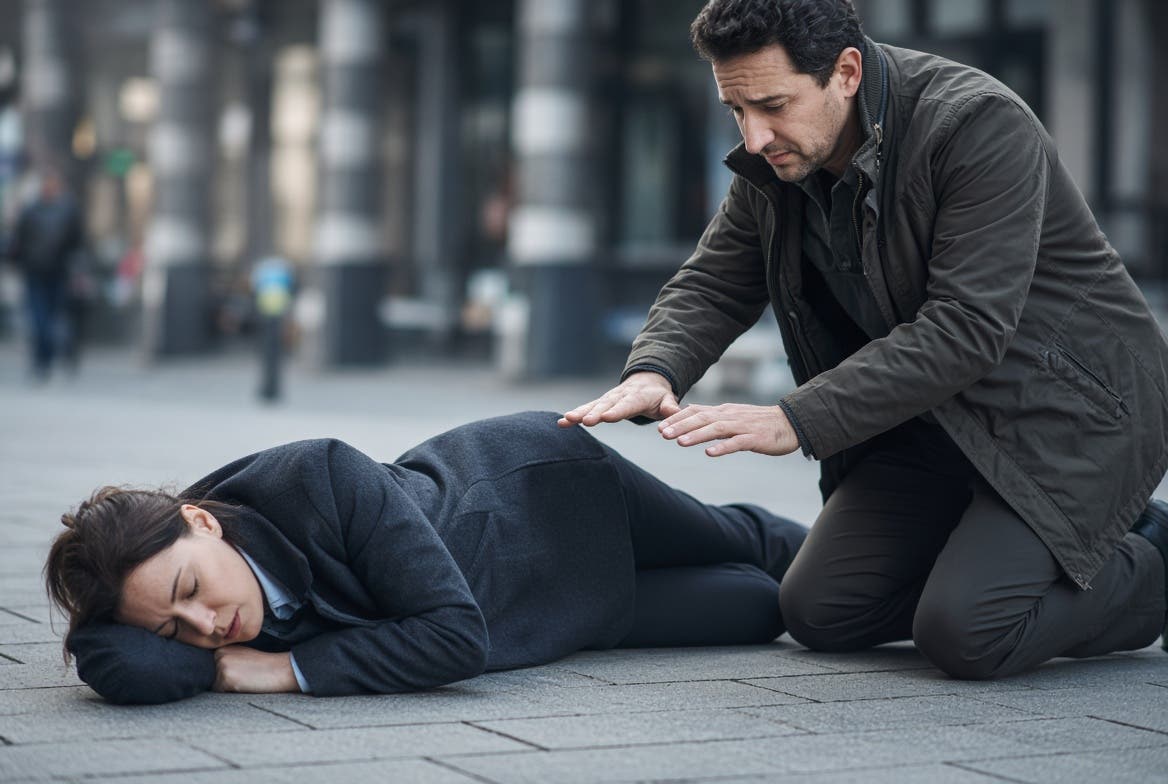
Fear of Accusation: How the Post-#MeToo Climate Leaves Women Without Life-Saving CPR.
Women are less likely than men to receive bystander CPR in public. Surveys show that a primary reason—especially among male bystanders—is fear of accusations of inappropriate touching or sexual harassment. This hesitation has been linked by respondents and researchers to the cultural climate that intensified after the #MeToo movement.
Out-of-hospital cardiac arrest is a time-critical emergency. Immediate chest compressions from a bystander can roughly double or triple the odds of survival. Yet multiple large studies document a clear gender gap: women receive less bystander CPR than men, particularly in public settings.
A Duke University analysis of more than 309,000 U.S. cardiac arrests found women were about 14% less likely than men to receive bystander CPR and defibrillation when the event occurred in public. Similar patterns appear across U.S., Canadian, European, and global data—women less likely to get help from strangers in public locations.e65095
pmc.ncbi.nlm.nih
When the public is asked why, the top barriers for male rescuers are fear of being accused of sexual assault or harassment and fear that necessary chest contact will be viewed as inappropriate. In national surveys, these ranked highest when the hypothetical rescuer was a man. British data has found roughly one-third of men expressing this specific worry. Female respondents more often cited fear of causing physical injury.ca4246
Doi
Research conducted in the years after #MeToo went viral captured this fear in respondents’ own words. Some directly referenced a “new trend of accusing everything as sexual harassment” or named the #MeToo movement itself as a reason for reluctance. Researchers noted that heightened sensitivity around physical contact and accusations appeared to amplify longstanding concerns about touching a woman’s chest during CPR. Contemporary commentary, including a 2018 Forbes piece, explicitly raised the question of whether the movement was producing unintended harms in healthcare contexts—including this exact disparity.e359ec
Forbes
The result is measurable: fewer women receive timely bystander intervention, which contributes to lower survival rates after out-of-hospital cardiac arrest. Actual lawsuits against genuine bystander rescuers for performing CPR are extremely rare, and Good Samaritan laws generally protect good-faith efforts. The fear, however, is real and has life-or-death consequences for women who collapse in public.
Other factors play roles as well—perceptions of female frailty, poorer recognition of cardiac arrest in women, and training that relies overwhelmingly on male manikins. But the surveys repeatedly identify the accusation-related fear as a leading barrier for men, and that fear tracks with the post-#MeToo cultural environment in which any physical interaction with a woman carries elevated perceived risk of career- or reputation-destroying claims.
Addressing the gap requires direct acknowledgment of this chilling effect. CPR training must include female anatomy, explicit discussion of these fears, and clear messaging that life-saving chest compressions are not harassment. Dispatcher-guided instructions have been shown to reduce hesitation. When someone is unresponsive and not breathing normally, the greater harm is inaction driven by fear of accusation—not the act of trying to save a life.