Politics & Government
Open Space Preservation In Lower Makefield: Next Steps
Lower Makefield officials address the process for open space preservation approved by voters in last Tuesday's general election.


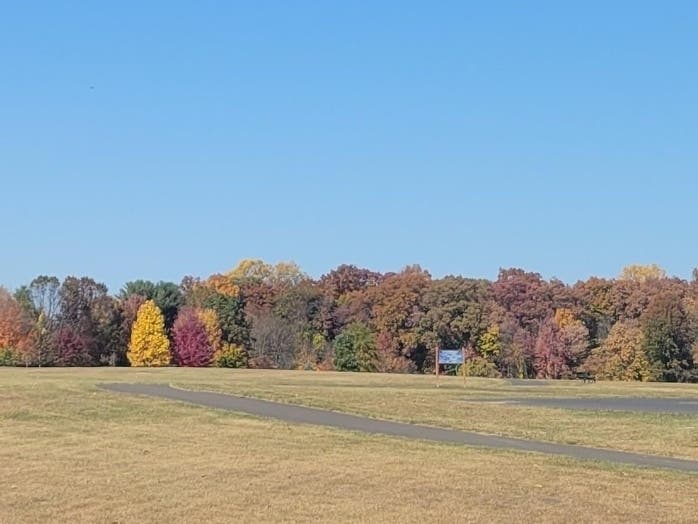
LOWER MAKEFIELD TOWNSHIP, PA —Now that a special ballot question on open space preservation was approved by voters at last Tuesday's general election, township residents are wondering what are the next steps.
Residents passed the open space referendum in unofficial voting, allowing up to $15 million to be used to preserve open space throughout Lower Makefield.
Funds can be allocated towards the preservation of environmental areas and open space for the benefit and enjoyment of the community, officials said.
Find out what's happening in Yardleyfor free with the latest updates from Patch.
This FAQ summarizes key information regarding the allocation and use of funds related to open space acquisition and improvement efforts, as well as the related decision-making process.
Township officials are presenting residents with answers to questions about how the process will work going forward:
Find out what's happening in Yardleyfor free with the latest updates from Patch.
1. How and by whom was the 30 percent ($4.5 million) determined for “addressing remediation or other potential existing liabilities to said property…and cultural purposes”?
The 30 percent allocation was determined internally by the Board of Supervisors and township staff. The purpose is to ensure that the majority of any debt incurred for open space acquisition is directed toward the acquisition of real estate interests in land, either through outright purchases or the acquisition of development or transferable development rights. However, the goal was also to maintain some flexibility to improve the purchased properties for open space purposes. These improvements might include rehabilitation of existing structures, trail network development, environmental remediation, stormwater management, streambank improvements, and other cultural purposes.
2. What is the actual definition of the language “addressing remediation or other potential existing liabilities to said property…and cultural purposes” and who determines the definition?
The term is not specifically defined beyond its common meaning. The township, through the Board of Supervisors, will determine if any actions align with this definition in line with electoral authorization, should the ballot measure pass.
3. What will be the decision-making process for determining the locations or projects that will receive funding from the 30 percent ($4.5 million)?
The decision-making process will take place during public meetings, with decisions made by the Board of Supervisors. These decisions will be informed by public input, suggestions from township boards and commissions, and recommendations from Township staff, including internal and consulting professionals.
4. What locations, projects, or improvements are already on the list or pre-determined to qualify for funding?
At this time, no specific projects are pre-determined. However, the township’s 2009 Open Space Plan, which remains relevant in part, serves as a guide. More information on the plan can be found here. Final transactions depend on the property owners agreeing to deal terms, and the township is legally prohibited from paying more than the appraised value as determined by a licensed appraiser.
5. What will be the amount of additional tax for each taxpayer? How will this break down for each household?
If the full $15 million is issued and repaid over a 25-year period at current interest rates, the estimated additional annual tax burden for the average residential assessment ($43,600) would be approximately $82.36 per year.
6. What are the transaction costs related to issuing debt, such as bond counsel fees, solicitor’s opinion, financial advisor fees, and underwriter’s fees? How much will that cost?
The form of debt has not yet been determined. If approved by voters, the Township will explore various options, including a bank loan or bonds. As for the costs, issuance expenses are generally minimal compared to the overall borrowing cost. It is anticipated that the average annual cost for issuance to a residential taxpayer, based on an average residential tax assessment of $43,600,
would be no more than $1 per $5 million of borrowing.
7. Can the 30 percent be designated for addressing remediation or other existing liabilities related to the property, or for specific improvements aimed at preserving environmentally sensitive areas, natural resources, historic land, passive recreation, and cultural purposes, be used to develop or enhance athletic fields, including adding lighting for those fields?
Active recreation, such as athletic fields and courts, is specifically excluded from the approved uses and was a key point of discussion during the Board’s deliberation on the Resolution, which authorized placing this question on the ballot. There is no intention of using funds for the development of athletic fields or related improvements, such as lighting.
Get more local news delivered straight to your inbox. Sign up for free Patch newsletters and alerts.