Health & Fitness
What Are You Going to Do When Plastic Bags Are Gone?
Not yet, but maybe soon. And these suggestions will help you do it well.
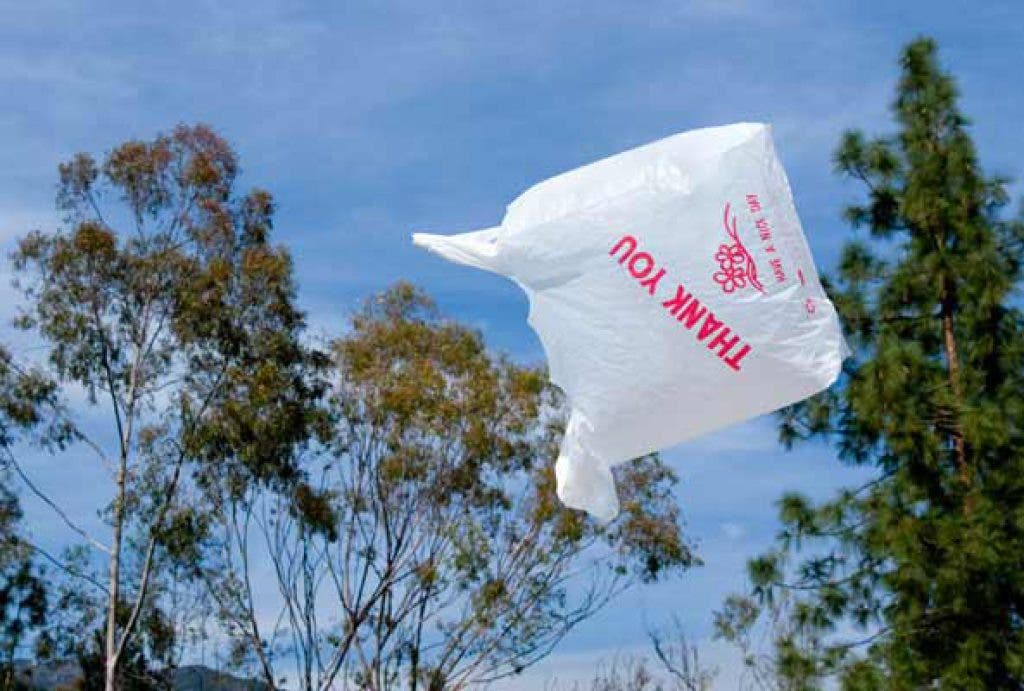
It hasn’t happened yet, but I have high hopes that the Reusable Bag Initiative will pass a Town Council vote on Monday, making Barrington the first town in Rhode Island to take this progressive step. There hasn’t been much objection to the proposal, apart from representatives of the plastics industry and those who object on principal to government rule-setting. I believe most people recognize the downside of single-use plastic bags and appreciate a regulatory “nudge” to wean them from this product.
Since single-use plastic bags were introduced in the 1960s, we’ve become used to them. And while a small portion of bags are recycled, most people reuse them once or twice before disposing of them. So now that single-use plastic bags may be unavailable or at least less available (thank you, Shaw’s; it’s heartening to see this corporate initiative), we need to find replacements.
Find out what's happening in Barringtonfor free with the latest updates from Patch.
Replacements to carry purchased products are obvious. Reusable shopping bags are available nearly everywhere, for little money, and most people probably already have a few. However, getting and using reusable shopping bags isn’t the issue; it’s remembering to bring them to the store. Entering the grocery store empty-handed has been routine for so long that it’s a hard-to-break habit. I first tried to break this habit by storing my reusable bags in the back seat of my car, with mixed results. When, at check-out, I realized I had forgotten the bags, I would take the plastic and vow to recycle. After a while, I would make myself purchase reusable bags at the store every time I forgot my own, hoping that the unnecessary purchase would improve my memory (I’ve so far accumulated about 20 reusable bags). Now, I force myself back to the car to get the bags if I’ve forgotten them, even in the middle of shopping, even at the checkout counter. Do that a few times and it sticks in your head.
What is now working for me is having a RuMe™ bag that I picked up at Barrington Books. It’s a thin, washable polyester bag with shoulder straps and a 50-pound capacity, that rolls up, with a hook and loop closure, into the size of a cell phone. I keep it in my purse at all times, so when I get to check-out and am confronted with bag choices, I have it right there in my purse. Hasn’t failed me yet. There are many other sources of reusable, foldable bags in a variety of materials, colors, and closure types, as a Google search will show. If you’re not a purse-type person, they also make foldable reusable bags with an attached carabiner so you can hang it from your belt loop (but you will need to remember to do this!).
Find out what's happening in Barringtonfor free with the latest updates from Patch.
That takes care of shopping, but what about other uses we’ve given to plastic bags? The two most problematic in terms of an adequate substitute are doggie do pick-up duty and garbage bags.
First let me say, emphatically, that all dog owners are absolutely responsible for picking up their dog’s poop. No excuses. That being said, there is no question that dog owners need something to pick up and hold their dog’s droppings until they can dispose of it properly (which does not include flinging it into bushes or stuffing it down a storm drain). If you can’t or won’t deal with dog poop, you shouldn’t have a dog. For those who take their pet owner responsibility seriously, I’ve compiled list of single-use plastic bag replacements:
The Best Options - Ideally, the best option is to use something that is not recyclable and has to be thrown away anyway, including the following:
- Snack bags made of metallized plastic. (these combined-material bags
cannot be recycled). - Paper canisters with metals tops/bottoms (like Pringles cans).
- Plastic-coated paper or styrofoam cups (with a top, of course).
- Coffee bags that are coated with polypropylene film or aluminum (plus they have those little fold-over tabs to close).
- Tyvek bags (such as used Fedex bags).
- Refrigerated/frozen food boxes (these plastic-coated paper boxes cannot be recycled).
- Ice cream containers (good use for those empty Ben and Jerry’s pints).
- Biodegradable plastic packaging (this will biodegrade only under certain, atypical, conditions, but because it contains additives, it is not recyclable).
- Recycled plastic film (maybe). Lately I’ve received recycled plastic “airbags” used as packing materials in lieu of foam peanuts that could be cut open and reused. I have not found much information on its recyclability. I suspect that if the recycled plastic is a pure plastic “type”, i.e., 100% polyethylene, may be recyclable again, but if the recycled product is a mix of plastics, it is probably not recyclable. I sent this question to RI Resource Recovery and hope that they will clarify this publicly.
Save these items up as you get them, and take them with you on your doggie walks.
Good-But-Not-Great Options. Because the following materials are recyclable, they are less desirable options for doggie doo duty because you are disposing, rather than recycling, them. But they make good single-use plastic bag substitutes if the above are not to your liking or availability:
- Cereal boxes liners (which are made of high density polyethylene; #2 plastic, and are now recyclable in ReStore bins).
- Used plastic sandwich bags. If you send your kids to school with lunch in plastic sandwich bags (a practice you should re-think), have them bring the bags back home and reuse them for doggie doo duty.
- Produce/seafood plastic protective bags (these are not affected by the Reusable Bag Initiative and will still be available at Shaws).
- Bread bags, newspaper bags, any other recyclable plastic bag at your disposal.
Other, Good-But-Not-Great Options. If your pet’s production is greater than your cereal or bread consumption, here are some additional ideas, even though they use new materials and may or may not be recyclable:
- Polyvinyl alcohol (PVA) bags - this water-soluble plastic film is used as a dissolvable laundry bag in hospitals, in dishwashing and laundry detergent “pods”, and, oddly enough, to contain fishing bait. PVA bags are sold as flushable doggie doo bags under brands such as “Flush Puppy”, “Fido’s Flushables”, “The Flushable Bag”, and others, but can be obtained for much cheaper if bought in bulk (check out DissolvoBags.com). A distinct benefit of using PVA bags is that you can flush the doggie doo down the john once you’re home, as long as you un-knot the bag first, rather than tossing in the trash. Even if you do toss them in the trash, at least it's not non-degradable plastic inside of non-degradable plastic.
- Disposable polyethylene, latex, nitrile, or vinyl gloves (used in food handling, medical examinations, etc). Some of these may have recycled plastic content but, at present, none are recyclable. These are inexpensive and easy to use: grab the offending substance, turn the glove inside out, knot at the wrist, and you’re done, with clean hands. Double-glove if you’re particularly squeamish.
As for small garbage bags substitutes, the best strategy is to re-think how you handle household trash rather than buying new garbage bags. Not all waste receptacles require a plastic bag. Wastepaper baskets that are used only for dry waste can be used unlined and washed periodically; designate one waste receptacle only in the house to receive wet waste. If waste receptacle liners are used but are in good shape when it’s time to empty the trash, just empty the contents of the receptacle into a “master” garbage bag and reuse the liner. Or throw everything directly (unbagged) into one large garbage bag in the garage or breezeway.
Another major strategy is to compost all compostable material, such as fruit and vegetable peels and trimmings, eggshells, and coffee grounds. It’s dumb-easy to do and will reduce your garbage volume a great deal. It’s beyond this blog to talk about the dos and don’ts of composting, but if you do it correctly, it won’t smell, it won’t attract rodents, and it will give you (eventually) a great soil amendment. Manufactured compost bins can be bought at most hardware or big box stores (including Job Lot) and are relatively inexpensive this time of year as summer merchandise is being removed. Check out http://www.uri.edu/cels/ceoc/ceoc_programs_mcrp.html and click on “resources” for more information.
So, now you are armed with almost everything you need to meet the challenge of the Reusable Bag Initiative with confidence and verve. Let the Town Council know you are up to this challenge and welcome change!