Community Corner
50 Acres off Natick Ave. Protected for Passive Recreation
The city acquired 47 acres of undeveloped land off Natick Avenue, which will be preserved for open space and passive recreation.


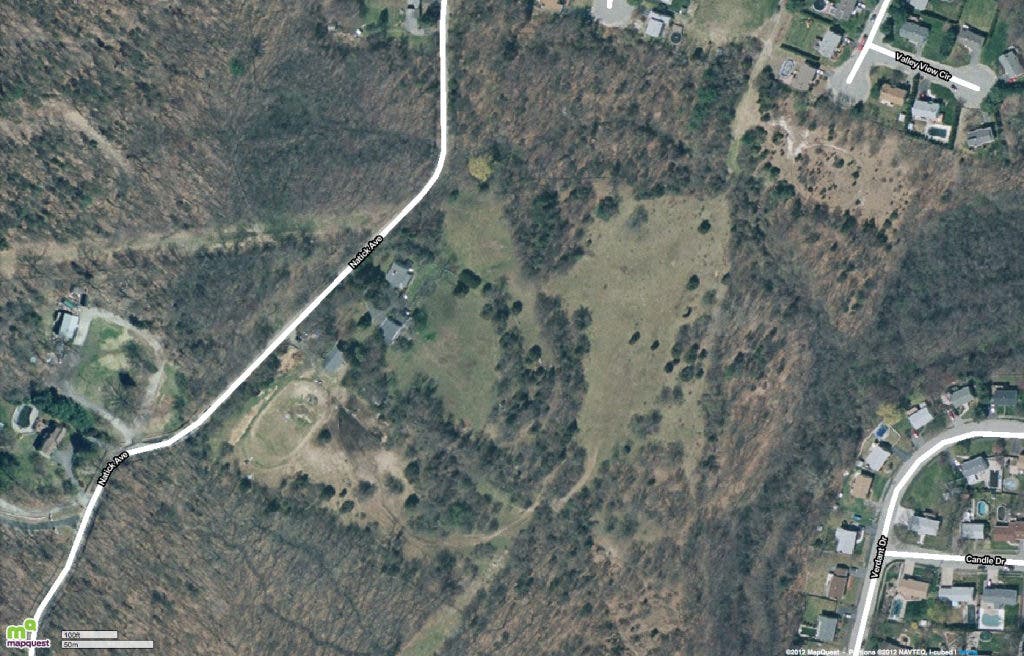
A swath of 47 acres of land off Natick Avenue will be used for "nature trails, community gardens and other passive recreation" after the city closed on a sale of a conservation easement thanks in large part to a federal grant and a $300,000 donation from the Moreau family.
In the end, the city will pay only $300,000 for the $1.2 million property, which could have ended up being developed into a subdivision.
The property has "significant natural, aesthetic, scientific, agricultural, recreational and educational values as a 'relatively natural habitat of fish, wildlife or plants or similar ecosystems," according to the city ordinance enacted by the City Council in 2010 authorizing the city to buy the easement.
Find out what's happening in Cranstonfor free with the latest updates from Patch.
It is surrounded by developments and 1960 feet of frontage on the easterly side of Natick Avenue, "providing a unique viewscape along a heavily traveled road in a fairly densely developed area of the city along the increasingly suburbanized [Interstate 295] corridor," the ordinance states.
Along with gentle slopes and terraces towards a low-lying area surrounding Meshanticut Brook, the property has two historic cemeteries, pasture lands and an abutting homestead with a main house that dates back to 1757, duck pond, barn, horses and riding trail.
Find out what's happening in Cranstonfor free with the latest updates from Patch.
"The protected property provides unparalleled passive recreational opportunities in a beautiful rural setting within the city."
City Planning Director Peter Lapolla told the Cranston Herald that the property could support about 80 single-family homes, according to his estimations.
Cranston Mayor Allan W. Fung said the Moreau family approached the city around the same time the city was working with the government on flood cleanup, the Herald reported. They were considering redevelopment but wanted to see if the city would work with them to preserve it. The city contacted the United States Department of Agriculture, who ended up paying $600,000 through a grant program, and the rest is history.
“The opportunity presented itself. The stars aligned at the right time,” Fung told the Herald.
Get more local news delivered straight to your inbox. Sign up for free Patch newsletters and alerts.