Business & Tech
PUC Approves Electric Rate Increase
The governor issued a statement decrying the rate hike, and Cranston Mayor Allan Fung testified against it.


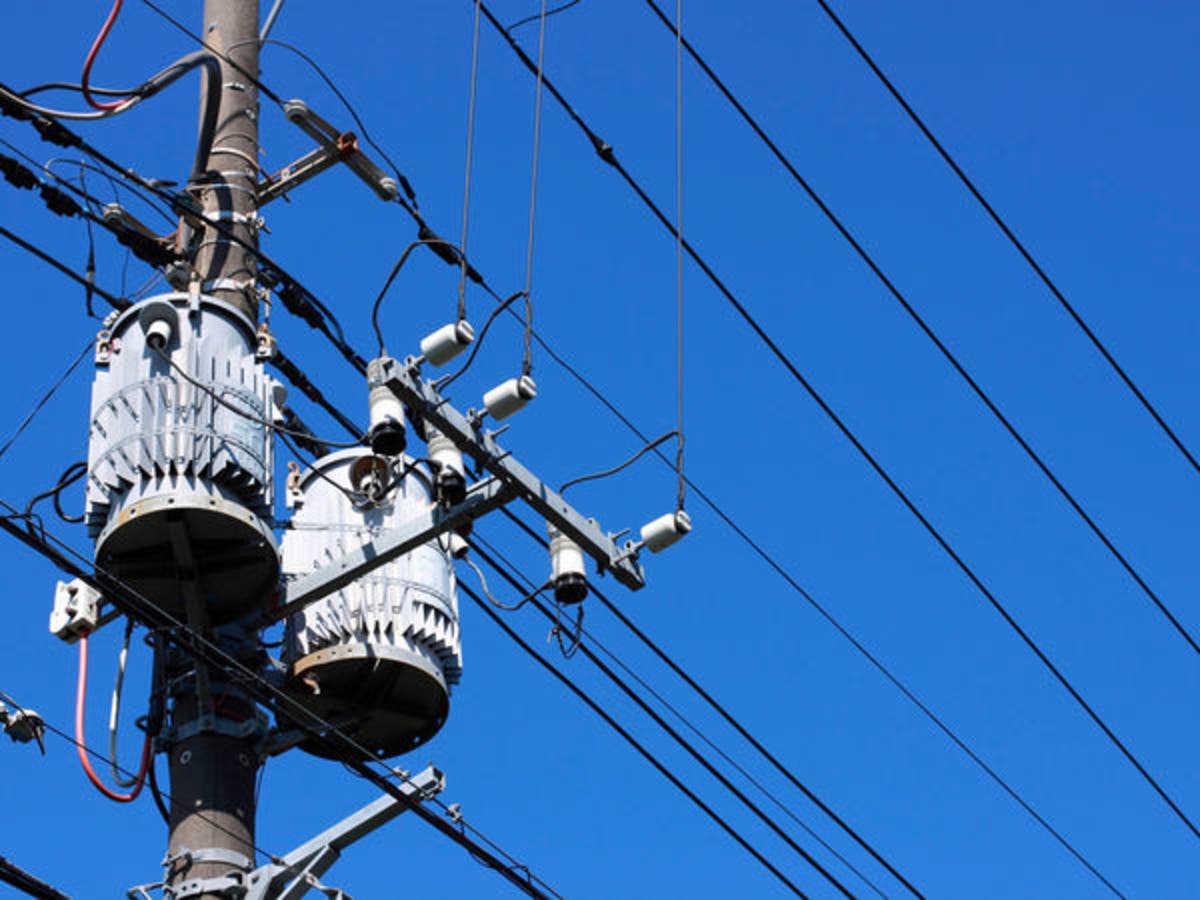
CRANSTON, RI — National Grid will be allowed a 53 percent electric rate increase. The Public Utilities Commission today voted to approve the utility company's request. The company said the increase is due to auction rates locked in three years ago. It applies to the "supply side" of the bill only and would mean a total increase between 16 and 18 percent for the average customer. However, the actual increase will also depend on usage.
The decision sparked a quick response from Gov. Gina Raimondo.
"I am disappointed that Rhode Islanders' electricity bills will be going up this winter," she said in a statement her office issued Tuesday. "I call on regulators, Grid and consumer advocates to work together to ensure that Rhode Island families have access to clean, reliable and affordable electricity."
Find out what's happening in Cranstonfor free with the latest updates from Patch.
Earlier Tuesday, Cranston Mayor Allan Fung testified against the rate increase. His office released his statement.
"I'm here to express my opposition to National Grid’s proposed 53 percent increase of the current SOS rate pending before you today.
"This increase, if approved, shocks the conscious of every Rhode Islander and is outrageous. Many Rhode Island residents and businesses, particularly small mom and pop establishments, are in no position to absorb these higher energy costs, as many are just barely holding their head above water. Wages and family incomes have remained relatively stagnant, while costs of essentials from milk, cereal, insurance, heat, and other needed expenses continue to rise.
Find out what's happening in Cranstonfor free with the latest updates from Patch.
"On the opposite end of the spectrum, National Grid’s 2016/2017 full year financial results show the company is doing well enough to declare a special dividend in April of £3.2 billion to shareholders (about $4 billion in US dollars) on top of an increase of 2.1 percent of the regular dividend per share. Those increased payouts to shareholders come after a year the company saw a 14 percent year-over-year increase in operating profit. Clearly, times are good for National Grid overall.
"In Cranston, there are 3,200 households that rely on the Low Income Energy Assistance Program, which helps some families from falling too far behind on their bills. Most of these families already have large back balances with National Grid for past usage. And while these families pay lower rates for electric and gas through the program, our limited LIHEAP dollars could be reduced in the future, which weighs heavily on the minds of municipal leaders like myself.
"Thousands of families in Cranston simply cannot afford the rate increase. Consider the young family that saved up just enough to buy a home they could afford - perhaps an older home with limited insulation, inefficient windows, or other appliances. I am also worried about an elderly resident on a fixed income who has to choose between turning on their heat or paying for their prescriptions that week. The fact is an overwhelming number of residents, not just low-income families, are barely getting by and the proposed massive rate increase will be a hard blow to absorb. Instead of new shoes for back-to-school, or healthier foods on the dinner table, my constituents will be paying more for National Grid to pad its coffers and pay out large shareholder dividends.
"Our business community, especially the small- to mid-sized stores, have little or no flexibility when it comes to absorbing these costs. In this challenging business climate, they can’t easily raise prices or pay their employees less. They do not have the luxury afforded to National Grid with its virtual monopoly in the region and unfettered ability to pass rate increases to their customers who have no choice but to pay. When they're up against the mega-chains, this could literally be the tipping point for some of their business to go elsewhere.
"It is widely understood that National Grid is prohibited from profiting on the energy portion of the bill, but this idea that they are not making money off it misses the point. I would argue that National Grid is not doing a good job of making the purchases going forward in an economical way to provide more stability to rate payers.
"The company notes in its filing that rates have risen and fallen based on market price fluctuations and limitations on the energy delivery network in the United States. In my view, these price swings could have been smoothed out with better planning and anticipation of the seasonal ebb and flow of energy demand. By blaming a lack of regional energy delivery capacity in the winter months, National Grid is sidestepping the issue and picking an easy reason to blame for the increase.
"Instead of affixing the delivery price to these regional swings, I recommend the company and state regulators develop a plan to find a more stable middle ground to make energy costs more predictable for home and business owners. Instead of forcing this burden onto customers through payment plans or thrusting them into the often-murky world of alternative energy suppliers, National Grid should take responsibility and create are more stable and predictable rate system itself.
"It’s unfortunate that today’s hearing appears to be mere formality. Rhode Islanders expect our state regulatory agencies to work on their behalf. Yes, the power has already been purchased and the PUC has determined that the proposed rate is not negotiable. It’s time for the PUC to take a stand and deny or modify this rate increase. Tens of thousands of Rhode Islanders are relying on your courage here today."
The PUC voted unanimously to allow the rate increase.
Image via Shutterstock
Get more local news delivered straight to your inbox. Sign up for free Patch newsletters and alerts.