Seasonal & Holidays
Help Wild Trout In RI By Donating Your Christmas Tree, Here's How
See how donating your Christmas tree to the Rhode Island Department of Environmental Management can help trout and other local aquatic life.


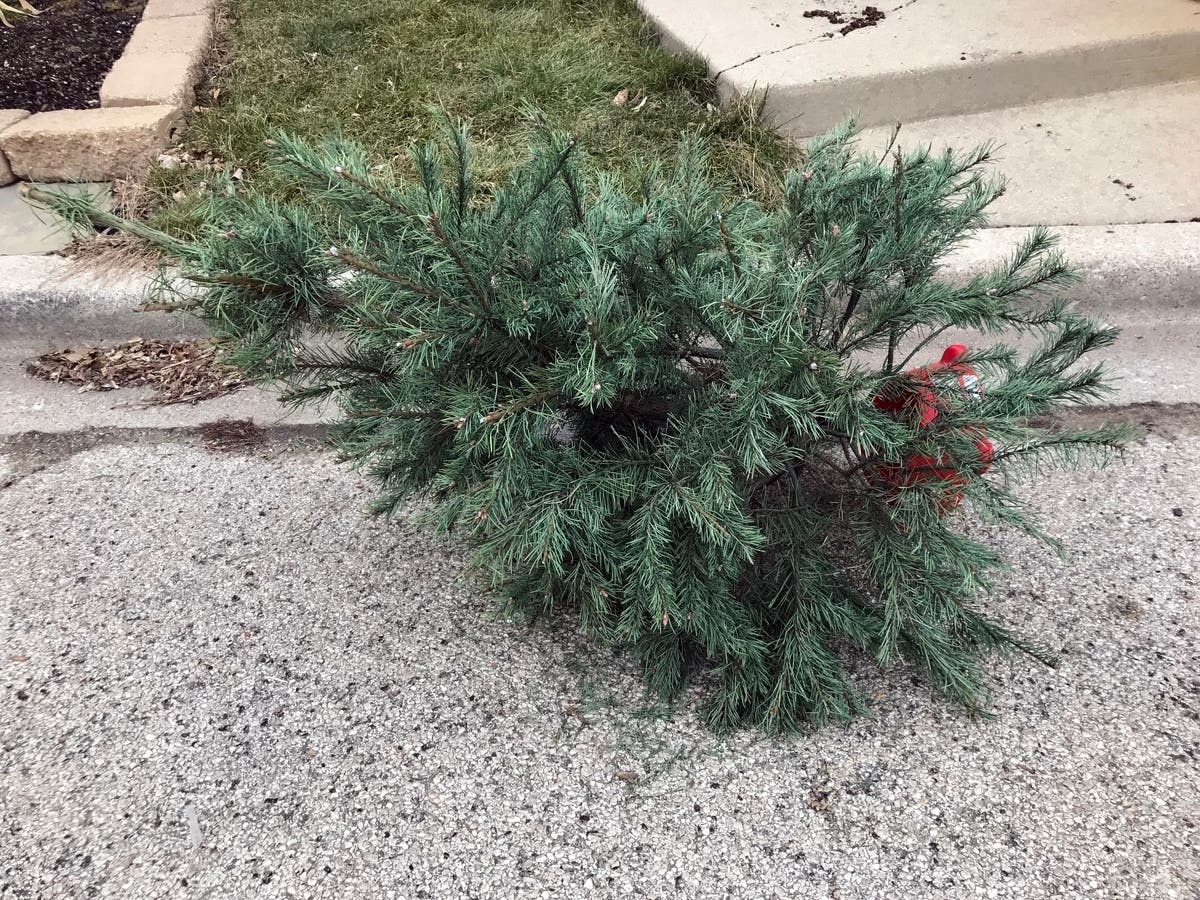
RHODE ISLAND — It turns out it is pretty easy to play a part in keeping Rhode Island's aquatic ecosystem thriving, and it just involves getting rid of your Christmas tree.
The Rhode Island Department of Environmental Management (DEM) has partnered with the state's chapter of Trout Unlimited (TU) on a habitat restoration program called "Trees for Trout." Trees for Trout collects donated conifer Christmas trees for projects that improve habitats for wild brook trout and other aquatic life.
The public is invited to drop off their Christmas tree at a collection event after the New Year.
Find out what's happening in Cranstonfor free with the latest updates from Patch.
- What: 'Trees for Trout' Christmas tree collection When: 10 a.m. to 2 a.m., Jan. 7
- Where: Arcadia Check Station, Wood River Arcadia Management Area, 2224 Ten Rod Road, Exeter
Only drop off real trees, not fake ones or trees sprayed with fire prevention chemicals. All decorations and lights, as well as the stand, must be removed before the tree is brought in.
The 'Trees for Trout' collection event was started by TU in 2018 to assist in restoration projects to fish habitats in the flowing freshwaters of Rhode Island. The trees are stored outside until the following summer, when they are used by DEM's Division of Fish and Wildlife (DFW) staff, along with volunteers from TU, to build "conifer revetments" where trees are strategically placed along riverbanks to provide stability and control erosion.
Find out what's happening in Cranstonfor free with the latest updates from Patch.
The trees will trap sediment, decompose, and gradually become part of the banks themselves, state wildlife officials said. The tree branches along the edges of the water will also offer protection for small native brook trout and other aquatic animals seeking a place to hide from predators.
Get more local news delivered straight to your inbox. Sign up for free Patch newsletters and alerts.