Crime & Safety
Media Organizations Oppose State Police Regulations that Would Affect Access to Public Records
State police representatives said, however, that the regulations have been in effect for more than a decade and wouldn't affect change access to information.


If a woman gets arrested and charged with drunken driving on the way to work in the morning, should the public have the right to know that she's an elementary school teacher?
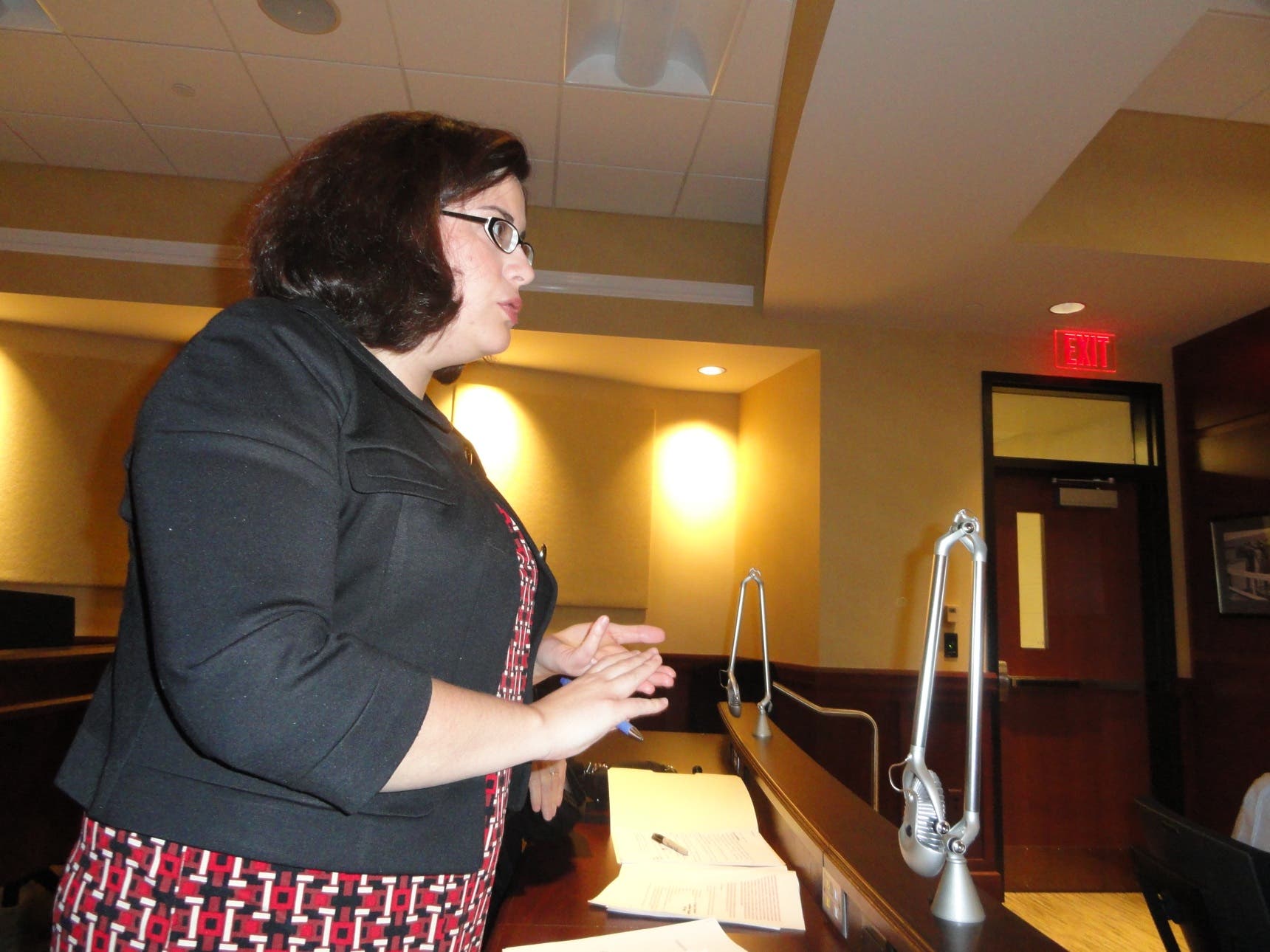
Media representatives in Rhode Island and the RI ACLU spoke out during a public hearing on access to public records at State Police Headquarters Thursday afternoon.
They argued that the new regulations—which would prohibit the release of information from arrest reports such as place of employment, actual date of birth and names and addresses of alleged victims in a case—would prevent the public from knowing key information about how police work and about crime in their neighborhoods.
Find out what's happening in East Providencefor free with the latest updates from Patch.
Scott Pickering, president of the Rhode Island Press Association and a regional editor for Patch.com, said he found particularly troubling the proposed regulations to remove police logs and incident reports from public record.
A person living in a neighborhood would have no way of finding out from the police department if there had been a rash of burglaries, car vandalism or a peeping tom, for example, if no one had yet been arrested, he said.
Find out what's happening in East Providencefor free with the latest updates from Patch.
He also said he worried about the effect of the regulations.
"My fear is if you adopt these regulations, that they will trickle down to every police department in the state of Rhode Island," Pickering said.
Joseph V. Cavanagh Jr., an attorney for The Providence Journal, said the General Assembly has said arrest reports should be public. And he questioned why a person who the state police has arrested should have an expectation of privacy.
Under the proposal, only five facts about a person who was arrested would be made public: the person's name, address, age, location of arrest, and the officer who made the arrest.
State authorities said, however, that the rules have been in effect for at least a decade, but that making them official would not affect how the state police currently releases information to the public.
"There's nothing here that will change the way we do business," said Lisa Holley, chief legal counsel of the Rhode Island Department of Public Safety. They already made some tweaks to the proposed regulations after a discussion with a Journal reporter.
Jennifer Azevedo, an attorney who works with the RI ACLU, argued that the proposed restrictions go far beyond what is authorized in state law.
"Our organization and others have all too often found law enforcement agencies in the state routinely ignoring that clear mandate," Azevedo said. "Through these regulations, the Department now wishes to enshrine that non-compliance into formal policy."
Barbara Meagher, a journalism professor at the University Rhode Island and president of Access/RI, said she teaches students to use the identifying information such as date of birth to make sure they have the correct person.
She also urged the panel to wait until the new governor takes over and reconsider the regulations.
But Robert Jensen of Lincoln, who works in real estate, said he supported the state police recommendation of confidentiality for people who report incidents.
He also said he thought it would be great if the state police regulations trickled down to local police, because the state police have been recognized for how they handle crimes.
The department will now have a period of at least 30 days to consider the comments and respond to the people who commented. After that, the regulations have to be filed with the Secretary of State's office. Twenty days after that, they would go into effect.
Get more local news delivered straight to your inbox. Sign up for free Patch newsletters and alerts.