Crime & Safety
Card Skimmers In Rhode Island: How To Spot Them
ATM and credit card skimmers have popped up across Rhode Island. This is what to look out for — and when you should be suspicious.


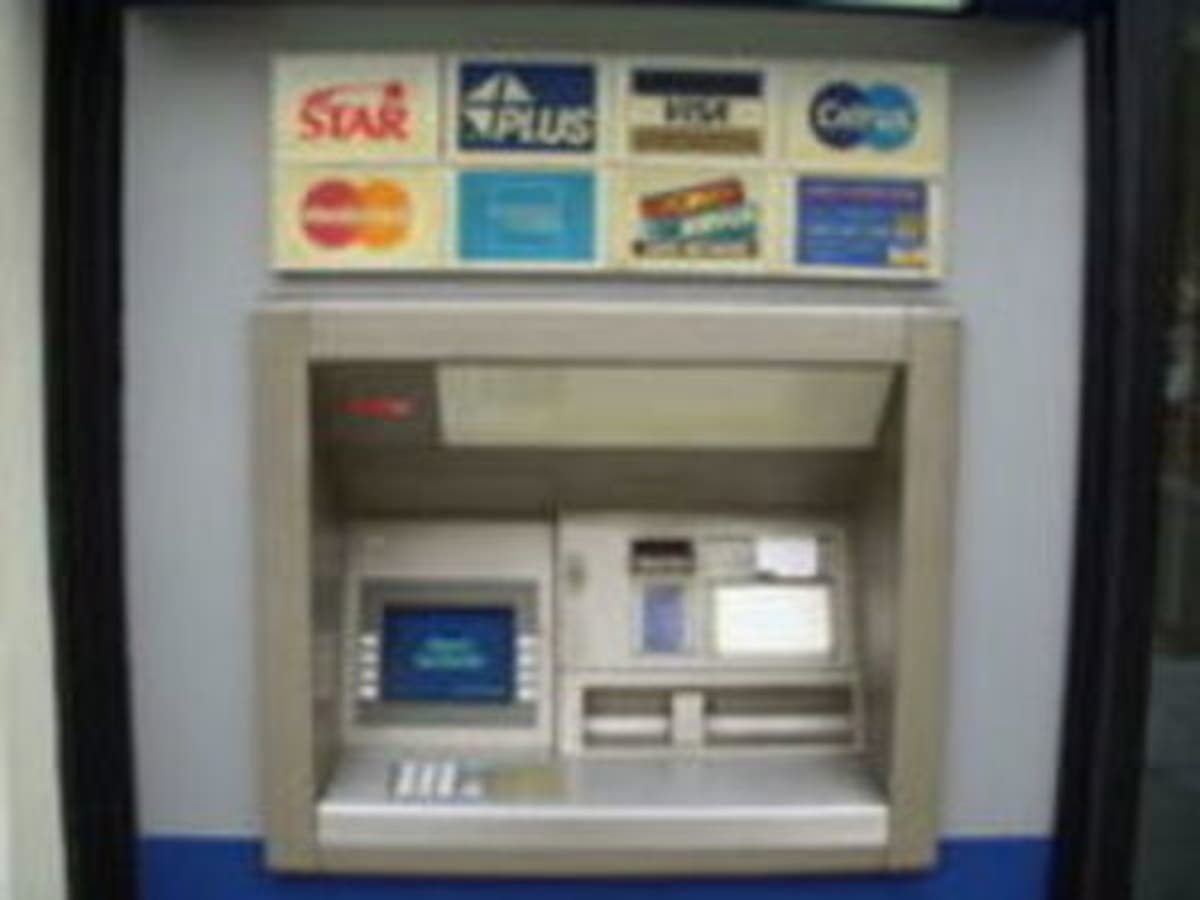
PROVIDENCE, RI — Skimming devices to capture data on ATM and credit cards have been a problem throughout Rhode Island, leaving people wondering what they should be looking for to protect themselves when paying electronically or withdrawing cash. New reports have surfaced about skimmers at outdoor ATMs and gas stations in nearby Massachusetts, so Patch has tips to help you keep your money safe.
"Our office continues to see an increase in the losses suffered from credit card frauds and the use of skimming devices across Middlesex County," in Massachusetts, Middlesex County District Attorney Marian Ryan said in a statement."Skimmers are used to capture victim’s credit card information, which is then used to make other purchases. Credit card fraud may take many forms and can lead to significant financial loss. Often these funds are not recoverable and the process of doing so is long."
In 2016, the Rhode Island State Police said a skimmer had been installed on a credit union ATM in Cumberland and was used to steal $110,000 from ATMs around the state. In July 2016 state police reported heavy skimming activity primarily in places around Providence.
Find out what's happening in Middletownfor free with the latest updates from Patch.
There also have been reports of skimmers on ATM machines or skimmed cards being used in Westerly, Middletown, Cranston, and beyond over the last two years. It hasn't been a significant problem in Coventry, police Lt. Matthew Blair said. "But we have had several over the last few years. Criminals usually target a specific type of ATM machine (i.e., Diebold or NCR) more than a specific bank or ATM location." Other police departments have reported the scams, and any town could be hit next.
"We had two cases in 2015 where skimmers has been placed on an ATM at a local business," Col. Michael J. Winquist, Cranston's police chief, said. "No arrests were made. We have not had any other cases since then. We have investigated and arrested several individuals who have used, or attempted to use, ATM cards that were produced as a result of skimming activity over the past two years."
Find out what's happening in Middletownfor free with the latest updates from Patch.
It's difficult to catch these suspects, he said.
"These cases present many challenges as the persons usually involved travel State to State and often gone by the time we become aware that they had placed and collected skimming devices. Many surrounding communities have had an increase in skimming activity. When a skimming device is found, the State Fusion Center will send a bulletin to all police departments alerting them that individuals involved in skimming activity are in the area and to be especially vigilant. Banks are also very in tune for looking for these devices and reporting quickly to law enforcement."
Here are some tips to help avoid being a victim.
First, let's go over the basics: What exactly is a card skimmer? It's a small device that affixes to a card reader allowing a thief to illegally collect the credit and debit card information of unsuspecting customers. Most commonly, card skimmers are put on ATMs, gas station pumps or self-checkout machines.
(Subscribe to your local Patch to keep up on nearby news and alerts.)
The typical ATM skimmer is smaller than a deck of cards and fits over an existing card reader, says PC Mag. Not sure what a card-skimming device looks like? This website shows various skimmers on ATMs, so you know what to look for in the future.
But what should you look out for so that you can avoid having your financial information stolen from a skimmer? If you see obvious signs of tampering, or the machine looks suspicious or different than normal, don't use it, experts say.
"One giveaway that you might be at risk is if a terminal looks especially wide — since any overlay skimmer piece will inevitably take up extra space," says Mic.com.
And as a Patch reader shared, be wary of ATMs at stores, because they might not be checked regularly for skimmers. Also, it’s not a bad idea to use cash at gas stations and other spots where thieves might have an opportunity to attach skimming devices.
Banking websites and police have tips to help foil skimmers. Last week, the Federal Trade Commission issued a warning to consumers, saying that while skimmers aren't new, emerging technology is making them smaller and harder to spot.
"It is important to educate the public, particularly seniors, about how to avoid becoming a victim," Ryan said. "We have partnered with many banks, senior centers and councils on aging across Middlesex County to provide information about how skimmers work, remind them to be vigilant monitoring their credit card statements, protecting their personal information and reporting any suspicious card activity to police."
How to Protect Your ATM Card
- Use secure ATM machines under video surveillance or inside a bank lobby. They’re less likely to be tampered with.
- Pay careful attention to what the card reader and keypad normally look like on the ATMs you use most frequently.
- Don’t use an ATM if the card reader appears to be added on, fits poorly or is loose. Some thieves place a fake box over the card slot that reads and records account and PIN numbers.
- Inspect the machine for items that were installed over or around the PIN pad of the ATM. Look for an attachment on the ATM that contains a small hole that is pointed in the direction of the PIN pad.
- Lightly tug the area of the card slot. Most skimming devices are attached with double-sided tape for quick removal by the crooks.
- Cover the keypad with your other hand while typing your PIN. This is the best way to ensure that your PIN number is not recorded.
If the keypad backlight is off, that's another warning sign that a skimming device could be installed, the Mic.com article says.
Also, if the chip reader is deeper than normal, beware.
A rule of thumb (no pun intended): If your card goes so deep into a chip reader that you can't keep a thumb on it, that's a sign there could be a skimmer installed, Mic.com reports.
Patch Editors Deb Belt, Kara Seymour, and Alex Newman contributed to this story.
»Patch file photo
Get more local news delivered straight to your inbox. Sign up for free Patch newsletters and alerts.