Health & Fitness
Drug-Resistant Salmonella Linked To Chicken Sickens 2 In RI: CDC
Two people in Rhode Island have been sickened by a drug-resistant Salmonella infection linked to raw chicken products.


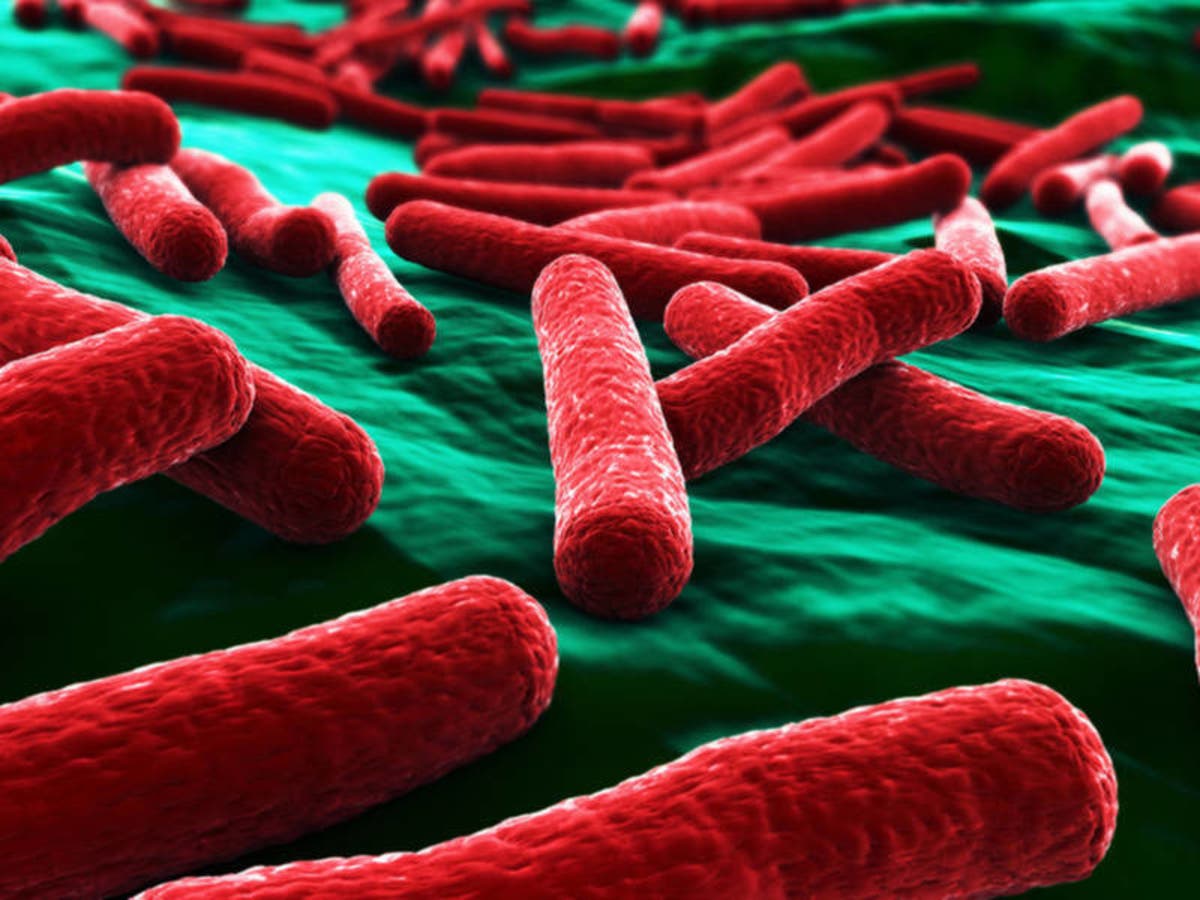
Two people in Rhode Island have been sickened by a drug-resistant Salmonella infection linked to raw chicken products. The CDC, in an alert issued Tuesday, said 92 people in 29 states have fallen ill from the infection. Rhode Island reported the third most cases of any state with nine.
According to the CDC, 21 people have been hospitalized as a result of the infection. No one has died.
People who have gotten sick reported eating different types and brands of chicken products purchased from "many different" locations prior to experiencing symptoms. The outbreak strain has been identified in samples taken from raw chicken pet food, raw chicken products, and live chickens, the CDC said, noting a common supplier of chicken products has not been identified.
Find out what's happening in Newportfor free with the latest updates from Patch.
Symptoms include diarrhea, fever, and stomach cramps about 12 to 72 hours after being exposed to the bacteria. The illness usually lasts four to seven days, and most people recover without treatment, according to health officials. However, in some cases, diarrhea may be so severe that the patient needs to be hospitalized.
The illness is more common in children younger than 5 years of age, adults older than 65 years of age, and people with weakened immune systems.
You can avoid the infection with some simple steps, including washing your hands after handling raw chicken, and ensuring your meat is cooked thoroughly.
Find out what's happening in Newportfor free with the latest updates from Patch.
Here is a full list of tips on avoiding this infection, provided by the CDC:
- Wash your hands. Salmonella infections can spread from one person to another if hands have Salmonella germs on them. Wash hands before and after preparing or eating food, after contact with animals, and after using the restroom or changing diapers.
- Cook raw chicken thoroughly to kill harmful germs. Chicken breasts, whole chickens, and ground poultry, including chicken burgers and chicken sausage, should always be cooked to an internal temperature of 165°F to kill harmful germs. Leftovers should be reheated to 165°F. Use a food thermometer to check, and place it in the thickest part of the food.
- Don't spread germs from raw chicken around food preparation areas. Washing raw poultry before cooking is not recommended. Germs in raw chicken can spread to other foods and kitchen surfaces. Thoroughly wash hands, counters, cutting boards, and utensils with warm, soapy water after they touch raw chicken. Use a separate cutting board for raw chicken and other raw meats if possible.
- CDC does not recommend feeding raw diets to pets. Germs like Salmonella in raw pet food can make your pets sick. Your family also can get sick by handling the raw food or by taking care of your pet.
With reporting by Kara Seymour and Tom Davis
Image via Shutterstock
Get more local news delivered straight to your inbox. Sign up for free Patch newsletters and alerts.