Schools
Community Forum Continues Discussion on Potential Pell School Cuts
A panel met at the Newport Public Library to discuss possible cost-saving alternatives.

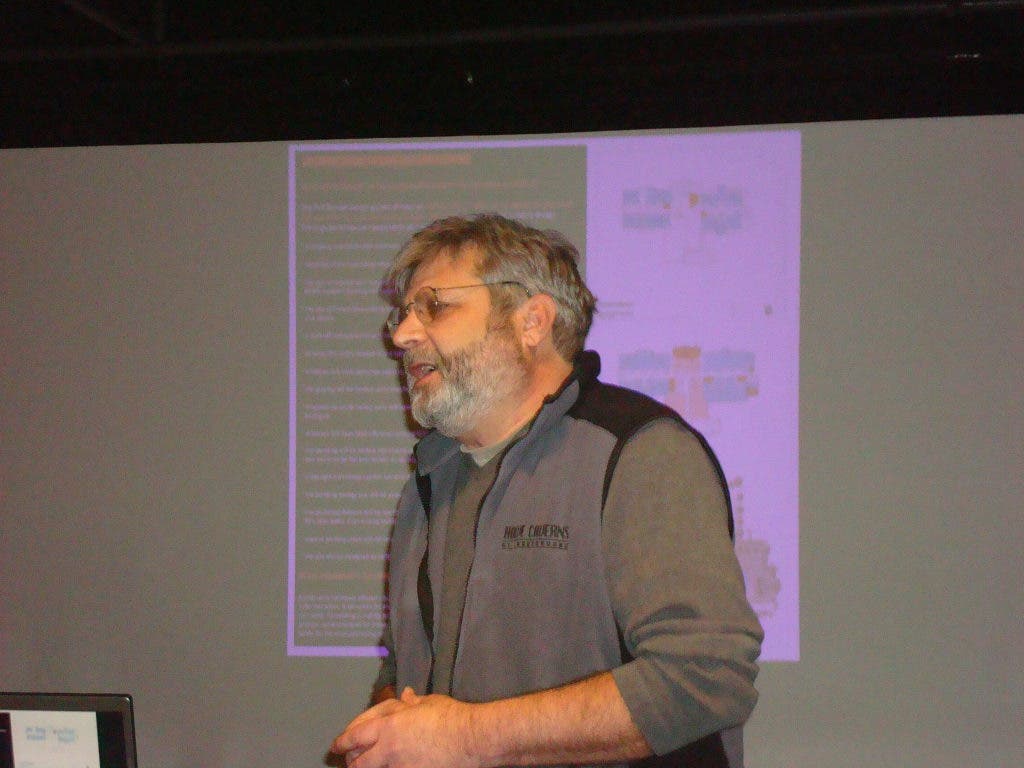
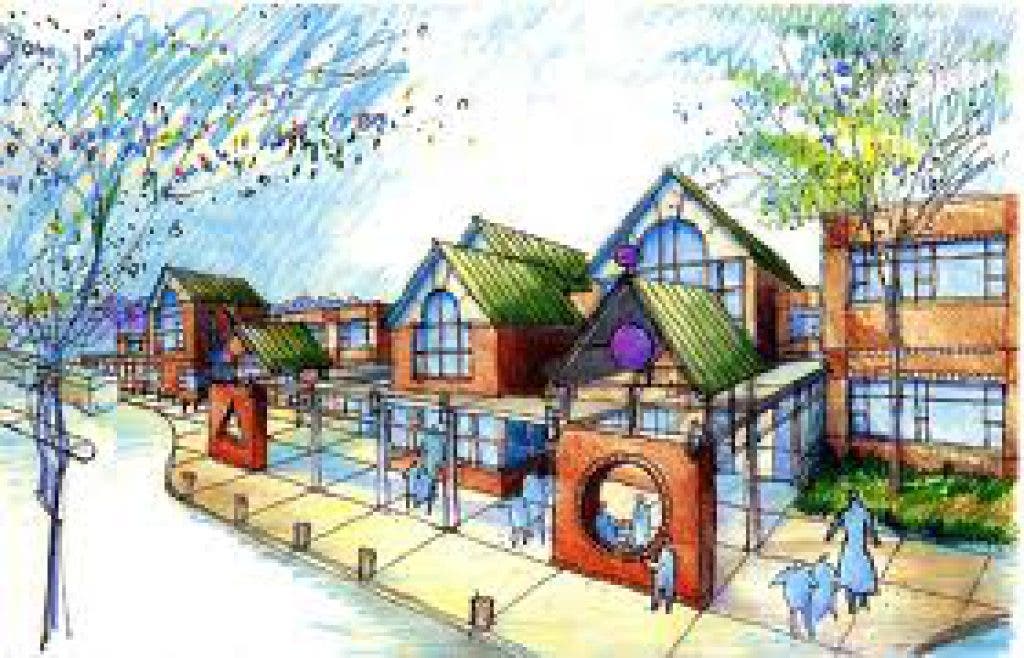
After an at-times explosive meeting last week, members of the community gathered again Sunday afternoon for a public forum to discuss proposed cuts to the new Pell Elementary School, and to explore ways they could encourage collaboration to build a cost-effective school. The session was hosted by Positively Newport Schools and held at the .
Last Tuesday, Nov. 1, the School Committee met to discuss the need to reduce the construction costs of the new Pell Elementary School by $4 million, this after construction bids came in that much over budget. The committee discussed no less than that money, including removing 20 parking spaces, reducing the upper play area and play structures, eliminating a bridge and changing .
More than 60 parents, teachers and residents packed the to make their own suggestions at last Tuesday's meeting. Many expressed frustration, saying the cost-savings process felt rushed and was drastically altering the original design of the facility. On Sunday, forum attendees again took issue with the School Committee’s initial reaction to cut out aspects of the new school, rather than adjust and seek alternatives.
Find out what's happening in Newportfor free with the latest updates from Patch.
School Committee Chairman Patrick Kelley, who was in the audience, said a final decision on cuts may not be made until the end of December.
“We took a faulty first step with the list of 50 things,” Kelley admitted. He said the School Committee’s analysis of the line items was just a first look at what could be easy to cut and what would not be.
Find out what's happening in Newportfor free with the latest updates from Patch.
What the School Committee learned from the last meeting was that the community did not want to give up the exterior aesthetic of the school, the educational spaces, especially for kindergarten and breakout spaces, or sustainability, Kelley said.
“We only look at how to reduce budget costs,” he said. “We didn’t look at the budget available for construction.”
Kelley was referring to funds which may be available to increase the budget from $24 million to $25.5 million.
During the meeting, and a panel of speakers discussed possible ways to make the school work with the current budget. Asbel said it was important to consider the critical elements as well as how to re-engineer the project to achieve those elements at a lower cost.
“This is not a session interested in criticizing the design,” Asbel said, referring to his proposed multivalent systems. “You can use [the systems] for any number of designs. . .The discussion is how to make it work.”
Asbel suggested two cost-saving measures: a pre-engineered metal building and lightweight paneling. Pre-engineered metal buildings focus on looking at the structure, rather than the configuration of the building, he said. He added that the paneling had a “wider range of appearances than masonry.”
Asbel defended the metal buildings which he said were stereotyped as cold and industrial.
“They are now used for other purposes and are style neutral," he said.
He also pointed to the Early Development Center and , both which are pre-engineered metal buildings.
Panelist Thomas F. Alexander Jr., of the marine organization Lightship Group, said the panels reduced labor and construction time, improved insulation, and improved quality control, however delamination occurs and it makes wiring different.
“You run into problems more on the residential side than the commercial side,” he said.
Another alternative, embedded stud panels, would also reduce labor and construction time, would improve insulation and quality control, would not result in delamination and would cause less wiring problems. The only issue would be the shop drawing expense, Alexander said.
The benefit of a pre-engineered building is that architects can design it with an end that can be expanded on in the future, he added.
Kelley said these types of ideas were being considered for both the entire building and portions of it.
School Committee member Rebecca Bolan, who also attended the forum, said the first idea that came to her mind regarding the suggestions were the cafeteria and gym spaces, which are in the back. Those spaces “might be a perfect application,” she said.
Kelley said the steps going forward are going through a valued engineering process to take the cost out of the building while maintaining the aesthetic and academic integrity of the design.
The full presentation is available to the right as a .pdf file.
Get more local news delivered straight to your inbox. Sign up for free Patch newsletters and alerts.