Business & Tech
'Perfect Storm' Caused Massive Newport Gas Outage: Report
The week-long January gas outage left thousands of Aquidneck Island residents without heat during dangerously cold temperatures.


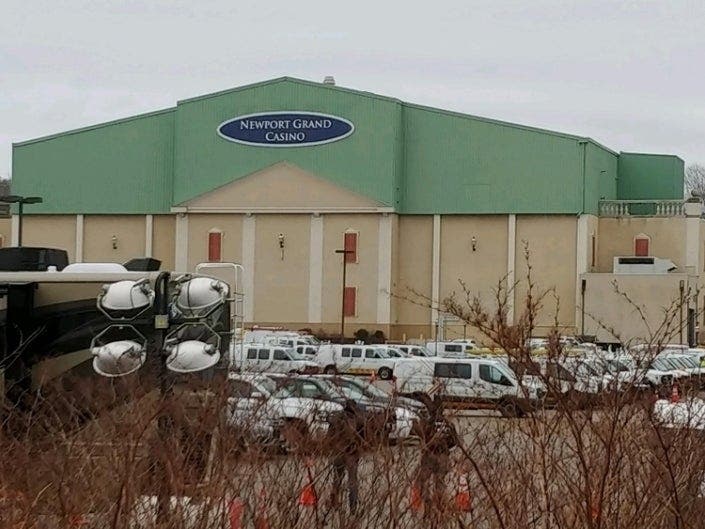
NEWPORT, RI — A newly released report from the Rhode Island Division of Public Utilities and Carriers blames both National Grid and the Algonquin Pipeline for January's gas outage that left thousands in the cold for a week. The company was forced to shut off natural gas service to more than 7,000 Newport and Middletown residents due to low pressure in the system.
In the wake of the outage, lawmakers called for a study to determine what caused it to happen in the first place and to hopefully prevent a similar issue in the future. On Jan. 30, the division opened a formal "summary investigation" into the incident. The report, released Wednesday, details the causes and outlines how the companies can improve.
According to the division's report, the outage was caused by what can be described as a "perfect storm" of variables. First, the sudden drop in temperatures caused residents to crank up the heat, leading to an increased demand for natural gas. At the same time, the National Grid storage and vaporization facility in Providence shut down, creating more demand for the pipeline in the city, which otherwise would have been met had the Fields Point facility been functional. Finally, a valve in the Algonquin pipeline in Weymouth, Massachusetts malfunctioned, causing it to continually open and close and restrict the flow of gas in the line.
Find out what's happening in Newportfor free with the latest updates from Patch.
All three of these variables combined caused a devastating outage across Newport and Middletown, starting just before 7 p.m. on Jan. 21. In response, Gov. Gina Raimondo declared a state of emergency, calling the outage "a major event" as more than 7,000 customers were left in the cold in some of the coldest temperatures of the year. Throughout the week, displaced residents were sent to nearby hotels and shelters as National Grid scrambled to fix the issue and restore service to the island.
Had any of the variables not been in place, the outage would have been avoided, according to the report.
Find out what's happening in Newportfor free with the latest updates from Patch.
"As the provider of interstate gas transportation, Algonquin had a duty to program its meters and valves correctly to assure safe and reliable service to its customers," it reads in part. "Similarly, the National Grid shutdown of its vaporization facility ... contributed to the low-pressure condition."
Aside from the low pressure in the pipelines, National Grid "through its decisions created preconditions that significantly contributed to the outage," the report continues, saying there was not a sufficient contingency plan in place following a similar situation in March 2014 and "failed forecasts" that led to the decision not to reopen a storage and vaporization facility in Newport that was deactivated in 2010.
"Had [National Grid] installed backup vaporization, the gas distribution pressure could have survived the low-pressure condition without an outage," the division concluded.
Newport Senator Dawn Euer said residents can "take comfort" in knowing what caused the outage.
"I think it’s also important that this outage is not used to push for additional interstate pipelines. Instead, there are reasonable recommendations in the report that can be implemented to further reduce the risk of a potential outage," Euer said in part. "Working with my Rhode Island Senate colleagues, I hope we can implement some of the policy recommendations outlined in the DPUC report as well as forward thinking energy policies."
In the report, the division outlined several other factors that, while not direct causes, hindered the response. These include a lack of mapping and tracking for outage, no plan for sectioning off the gas system in case of emergency, no Rhode Island-based senior executive to manage gas operations in the state and the lack of a review and report in the weeks following the outage.
With this in mind, the division recommended that the Public Utilities Commission reject more than $25 million in reimbursements for National Grid relating to the outage. In addition, the report urged that the company itself and its shareholders cover the cost of the restoration and emergency response, rather than National Grid customers.
The report suggested that National Grid take several steps to improve its gas system including getting the Aquidneck Island facility back online, creating a process for mapping and tracking outages, improve communication between the company and Algonquin and more.
In a statement, National Grid said it has "been working hard to learn from that event and take what actions we can to provide secure energy for Aquidneck Island."
"The Aquidneck Island community and National Grid were part of extraordinary response that included a thousand employees and tens of thousands of residents coming together to help each other through those challenging days and nights. Everything we did in the minutes, hours, and days following was driven by a need to ensure the safety of our customers," the statement reads in part, adding that the company has fully cooperated with both the division's and federal investigations.
"Although we don’t agree with everything in the report, we are pleased the Division’s report reflects National Grid's fundamental commitment to safety and our exemplary emergency response," the statement continued. "We are appreciative of their diligence in examining all aspects of the incident, including the areas where we excelled and where we could improve. In fact, we have already addressed many of the proposed recommendations included in their report, securing additional winter gas supplies, expanding our energy efficiency and demand response programs, and improving long-range planning."
The company added that it is dedicated to provide the best service in the coming winter and the future of energy in the state.
"The Aquidneck community should have confidence that gas reliability and future gas service on the Island are a top priority for us. As the local gas distribution company, we are here working with our communities and taking the steps necessary to meet this objective," it said.
Newport gas outage coverage
- Gas Outage Caused Revenue Loss, Food Spoilage At Local Restaurant
- Gas Outage Update: More Than 99 Percent Restored
- National Grid: Gas Restoration Will Take Several Days
- Five Ways To Stay Safe During The Newport Gas Emergency
- Governor Declares State of Emergency in Newport For Gas Outage
- Opinion: Public Deserves Answers About Cause Of Gas Crisis
Get more local news delivered straight to your inbox. Sign up for free Patch newsletters and alerts.