

Fall is a transition period for a lot of active New England exercise enthusiasts. The beautiful scenery is amazing this time of year and can provide an awesome backdrop to your cycling or running. The crisp, cool air combined with the typically low humidity allows outdoor exercisers to get a great workout in without having to stop because of high heat and muggy conditions. October and even parts of November remain in the 50’s and sometimes 60’s during the day which is absolutely wonderful to work out in. However, as November approaches December, the temperatures start to drop into those 30’s and 40’s, making it a little harder to get up for that morning run or out for that afternoon bike ride. If you are an avid outdoor fitness enthusiast that is concerned about keeping up with your fitness program, and want to transition inside, here are some fitness equipment options to consider for your home.
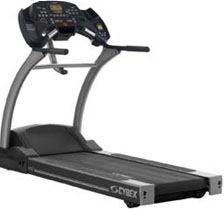
· Treadmill – Walking is the most nature form of exercise. Running is one of the most popular outdoor activities. A treadmill is a machine that has a moving belt that you can walk or run on. Treadmills are designed to reduce the impact of walking or running outside and thus are typically better on your hips, knees, and other joints. The impact is reduced through a cushioned deck surface which absorbs your body’s weight. Most treadmills have a control panel or console to show your time, distance, and calories burned, etc. This console can also let you change speeds from a walk to a running pace. Most treadmills have an incline feature which allows you to walk or run on a flat surface or change the angle/incline as if you are walking up hills. Some treadmills even have a feature where you can decline the angle as if you are walking downhill. The average size of a treadmill is about 3 feet wide by 7 feet in length. Treadmills are powered by electricity. Most treadmills disassemble into 2 or more sections to be able to go into a tight door or hallway. Treadmills are recommended for heart health or cardiovascular fitness.
· Elliptical or Cross Trainer – Elliptical trainers were introduced in the mid-1990s. An elliptical trainer has a continuous movement with no starting or stopping point during your exercise session. Think about walking up steps. You start and stop on each step. An elliptical trainer does not start or stop. An elliptical continues in an elliptical or circular type movement over and over again, similar to the movement of riding a bicycle. This continuous movement means a reduced impact on the hips, knees, and back during your workout session. Typically, you use an elliptical trainer in a standing position. There are seated elliptical trainers, but those are mostly used in rehabilitation settings. Elliptical trainers have foot pedals that are connected to a mechanism that moves you in an elliptical or circular type movement. Some elliptical trainers have moving arms that work in conjunction with the foot pedals. Those elliptical trainers are typically called Cross Trainers. Most elliptical trainers have a console similar to a treadmill which will chart your progress of your exercise session. Some ellipticals have pre-programs that will increase and decrease the intensity of your workout over a pre-determined length of time. The footprint of an elliptical trainer is about the same as a treadmill, although typically slightly longer. Ellipticals can also disassemble if necessary. Ellipticals are either powered by electricity or are self-generating (run on a battery). Ellipticals are recommended for heart health or cardiovascular fitness.
Find out what's happening in North Kingstownfor free with the latest updates from Patch.
· Exercise Bike – Cycling has been one of the most popular forms of exercise worldwide for over a century. The exercise bike has evolved from a basic stationary bike to bikes that have pre-set programs, even bikes that ride and feel like you are riding your outdoor bicycle. The exercise bikes of today come in two common styles – upright and recumbent. Upright bikes are the more traditional exercise bike and have a similar movement like your typical road or mountain bike. Upright bikes typically have an adjustable seat/saddle to accommodate a wide range of user heights. Upright bikes have handlebars, some are adjustable. Some upright bikes have consoles similar to treadmills and ellipticals. There are some upright bikes that are designed to mimic the feel of riding outdoors. These upright bikes are typically used in group training classes. There are commonly referred to as indoor cycling bikes. Recumbent bikes are also known as sit down bikes. There is a seat and back pad so you actually sit down and pedal the bike. Other than your body positioning, they have the same features – console, seat adjustability, handlebars, pedals and pedal movement. Both upright and recumbent bikes are compact machines with an average size of about 3 feet wide and 4 to 5 feet in length. They can be disassembled to fit into your home. Upright and recumbent bikes are either powered by electricity or are self-generating (run on a battery.) Exercise bikes are recommended for heart health or cardiovascular fitness.
There are a ton of quality home fitness equipment options for the avid outdoor enthusiast. Choosing the right one for your home and exercise program can help you transition into a positive experience until the weather cooperates again in the spring. Look for future articles by this author on how to choose the right machine for you as well as other helpful tips on fitness equipment.