Health & Fitness
West Nile Virus Detected in North Kingstown Mosquito
The mosquito was part of a sample of mosquitoes collected on Aug. 12.


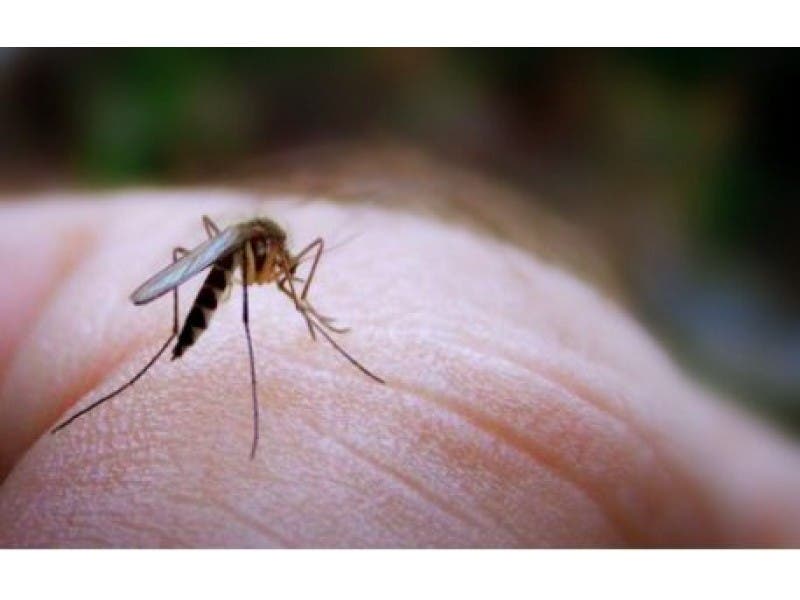
A mosquito collected from the central part of North Kingstown has tested positive for West Nile Virus.
“As we continue to encourage people to enjoy our world-class parks and beaches, it is important to remember to take precautions against mosquito bites,” said DEM Director Janet Coit. “Mosquito-borne diseases are more prevalent in late summer and early fall, and risk typically lasts until the first frost.”
The sample came from a batch of mosquitoes collected on Aug. 12.
Find out what's happening in North Kingstownfor free with the latest updates from Patch.
The findings are “expected for this time of year” and there have been no reported human cases of West Nile Virus in Rhode Island.
- Dress for protection. Wear long pants, long-sleeve shirts and socks during outdoor evening activities.
- Use bug spray. Use mosquito and tick repellent with no more than 30 percent DEET during outdoor activities, particularly at dusk and during evening hours, when mosquitoes are most active. Do not use repellent on infants.
- Time activities for maximum protection. If possible, minimize outdoor activities between dusk and dawn.
- Evaluate the environment. Be sure all open windows are screened, repair any holes in screens, and fix loose screens. Remove any standing water around yards and houses by emptying planters, wading pools, trash and recycling bins, and other places where water might accumulate to reduce mosquito breeding. Mosquitoes breed in standing water. Just one cup of standing water can produce hundreds of mosquitoes.
Mosquitoes are trapped every week statewide by DEM staff and tested at the Rhode Island State
Health Laboratories, and DEM will continue to release those results.
Find out what's happening in North Kingstownfor free with the latest updates from Patch.
“Although these findings are expected for this time of year and there have been no reported human cases of WNV or EEE in Rhode Island this season, it is important that all Rhode Islanders protect themselves from mosquito bites,” said Director of Health, Nicole Alexander-Scott, MD, MPH. “Personal protection is the first line of defense against mosquitoes that can carry diseases such as West Nile Virus and EEE, and is by far the most effective way to prevent infection.”
Get more local news delivered straight to your inbox. Sign up for free Patch newsletters and alerts.