Community Corner
Researchers Want Help Finding Coyote Hot Spots
"Hot spots" are areas that coyotes commonly feed, raise pups and mark their territory.


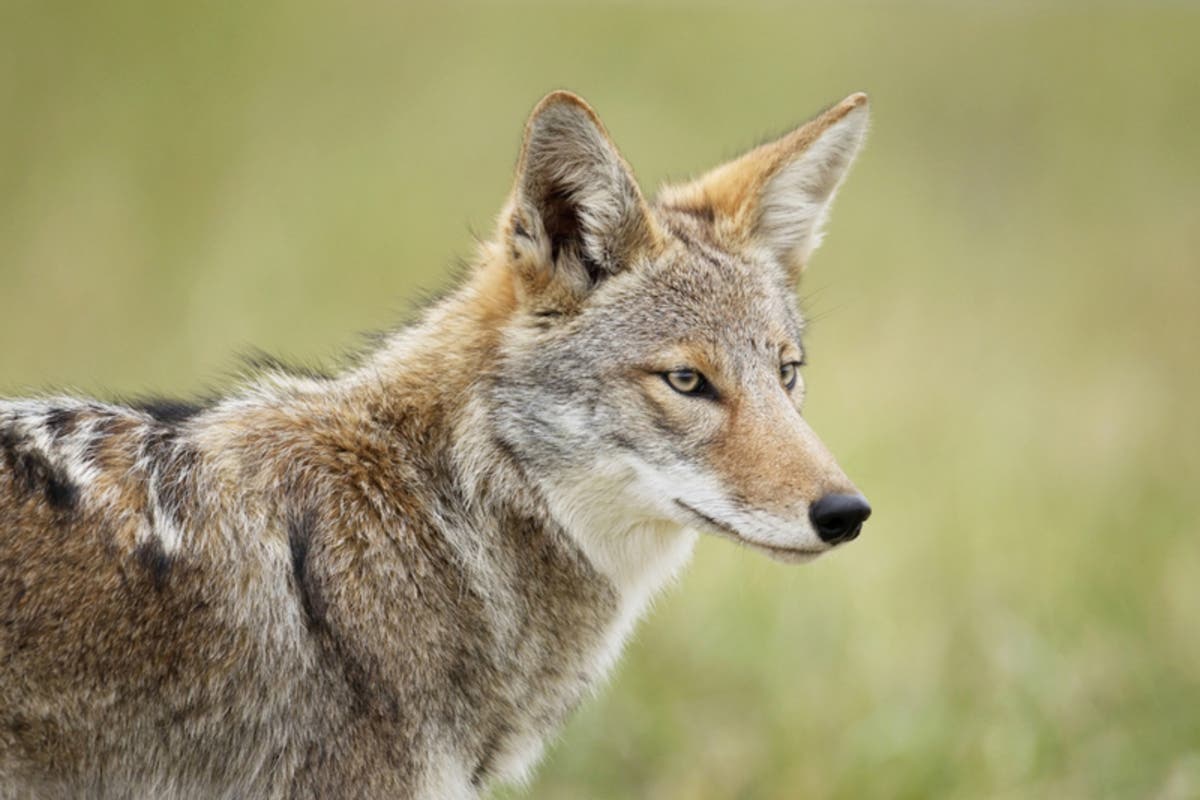
PORTSMOUTH, RI — A study of the impact of people providing food for coyotes on Aquidneck Island and Jamestown has been funded by a $1.1 million federal grant. Researchers are asking people in the community for help finding the coyote "hot spots."
The Rhode Island Natural History Survey and the Conservation Agency, the two groups leading the study told the Newport Daily News that "hot spots" are areas that coyotes commonly feed, raise pups and mark their territory. Researchers plan to use GPS collars and trail cameras to track them.
The study will use genetic analysis, tracking, and food removal experiments to show how human-provided food effects the habitat and population of the coyotes. Numi Mitchell from the Conservation Agency is leading the study. Newport Daily News reported that Mitchell has studied coyotes for over 14 years.
Find out what's happening in Portsmouthfor free with the latest updates from Patch.
Other groups assisting the study include the University of Rhode Island, the state Department of Environmental Management (DEM), Roger Williams Park Zoo and CoyoteSmarts.
Feeding wildlife is prohibited in Rhode Island. Mitchell has found that coyotes and people can co-exist, but problems and safety concerns are raised when food is provided to the coyotes by people, intentionally or not, according to a press release from David Gregg, executive director of the Rhode Island Natural History Survey, one of the CoyoteSmarts partners.
Find out what's happening in Portsmouthfor free with the latest updates from Patch.
“Coyotes that find abundant and easily obtained food resources around neighborhoods may become bold and habituated to human activity, creating situations that are detrimental to the animal and can also put small pets at risk," DEM Director Janet Coit said in a press release. "This project will document how intentional feeding endangers wildlife and residents and will encourage the public to identify and stop these practices so that Rhode Islanders can co-exist with coyotes and enjoy viewing them from afar.”
If people know spots with heavy coyote activity, they can mark those spots using the interactive map here.
Image via Shutterstock
Get more local news delivered straight to your inbox. Sign up for free Patch newsletters and alerts.