Neighbor News
Human Rights Day: Five Essential Insights
Understanding the Foundations, Impact, and Importance of Human Rights
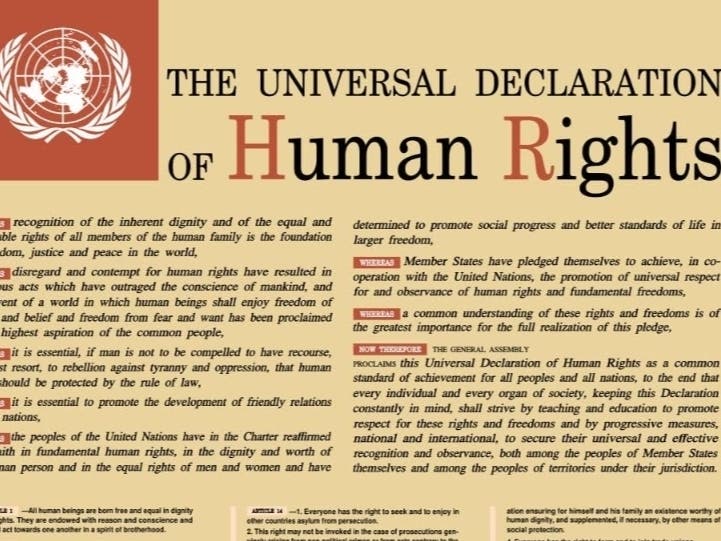
Human Rights Day, observed on December 10, is a powerful reminder of the enduring significance of equality, justice, and dignity for all people across the globe. The 2024 theme, “Our Rights, Our Future, Right Now,” underscores the critical role of human rights in addressing global challenges today. This year, the UN Human Rights Office (OHCHR) seeks to educate, shift perspectives, and mobilize collective action to uphold these universal principles.
Five Key Insights About Human Rights:
1. Human Rights are Universal and Inalienable
Human rights belong to everyone, everywhere, regardless of race, gender, nationality, or beliefs. They are inherent to humanity and cannot be granted or revoked by states, ensuring fundamental equality and dignity for all individuals. These rights encompass basic protections, such as the right to life as outlined in Article 3 of the Universal Declaration of Human Rights (UDHR), and those necessary for a fulfilling life, like access to education and healthcare. The UDHR, a historic cornerstone of human rights, holds the distinction of being the most translated document in history, available in over 500 languages. While human rights are inalienable, certain legal circumstances, like imprisonment following due process, may impose limitations.
Find out what's happening in Providencefor free with the latest updates from Patch.
2. Human Rights are Equal, Indivisible, and Interdependent
Human rights are interconnected, with the realization of one often reliant on others. For instance, the right to education is essential for political participation, such as voting, while access to clean water and healthcare are crucial to safeguarding life and dignity. This interdependence highlights the complexity of global challenges, where addressing one issue—like gender inequality or poverty—can lead to broader progress, while neglecting even one right can have far-reaching, detrimental effects.
Find out what's happening in Providencefor free with the latest updates from Patch.
3. The Universal Declaration of Human Rights: A Global Milestone
Emerging in the aftermath of World War II, the UDHR was adopted in 1948 as the first comprehensive statement of universal human rights. Its 30 articles, spanning freedoms from torture to equality and liberty, form the foundation of modern international human rights law and have inspired over 80 international treaties. Together with the International Covenant on Civil and Political Rights and the International Covenant on Economic, Social, and Cultural Rights, the UDHR constitutes the International Bill of Human Rights, setting actionable standards for global justice.
4. States Bear Responsibility, and Individuals Have Advocacy Tools
Every country has ratified at least one of the nine core human rights treaties and at least one optional protocol, creating binding obligations under international law to respect, protect, and fulfill human rights. These treaties also empower individuals and communities to demand accountability and advocate for their rights. Movements like Fridays for the Future, a youth-led climate justice initiative, demonstrate how human rights frameworks can amplify grassroots calls for systemic change.
5. Human Rights Day: A Call to Action
Celebrated annually, Human Rights Day commemorates the adoption of the UDHR and serves as a platform to honor progress while confronting ongoing challenges in the fight for human rights. At its heart, human rights are about people—our needs, desires, fears, and aspirations. This year marks the 76th anniversary of the UDHR, emphasizing its enduring relevance as a transformative, protective, and preventative force, especially during times of crisis.
Human Rights Day not only reflects on past achievements but also inspires renewed commitment to building a just and equitable future for all.
Dr. Justin D. Bibee is a human rights advocate.