Health & Fitness
10 Things Grieving Children Want You To Know
Children grieve differently with the loss of a loved one, and they want to be reassured someone will be there to take care of them.
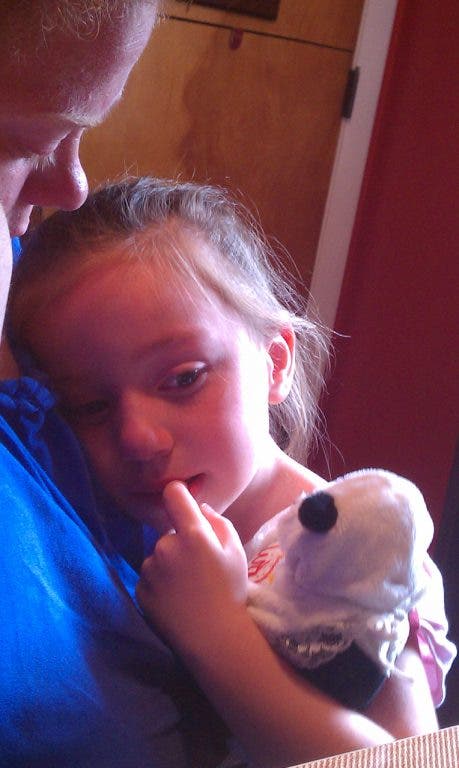
Children grieve differently than adults. There are many reasons why this is so. For example, we can never presume silence to be indifference, playing to be denial, or lack of conversation to mean they don’t care, it could mean they don’t have the words to express their feelings.This is a time when they need patience and to be allowed to progress in their own time. Below is a few suggestions about the grieving child, if you know a child that is struggling with grief, seek professional help immediately.
1) Grieving children want to be told the truth.
Tell grieving children the truth with these considerations in mind:
Find out what's happening in Tiverton-Little Comptonfor free with the latest updates from Patch.
- The age of the child.
- The maturity level of the child.
- The circumstances surrounding the death.
- Answer questions as honestly as you can.
2) Grieving children want to be reassured that there will always be someone to take care of them.
Grieving children spend a lot of time worrying about another person in their life who might die. To help alleviate this fear, it’s important to reassure them that there will always be someone in their life who will take care of them.
Find out what's happening in Tiverton-Little Comptonfor free with the latest updates from Patch.
Enlist the aid of their parent or caregiver to determine a plan for the children. Let the children know what the plan is.
3) Grieving children want you to know that their grief is long lasting.
Children will grieve the person who died for the rest of their life. Grieving kids don’t “just get over it." They will often be bewildered when other people in their life have seemed to move on.
Their grief changes over time as they grow and change over time.
4) Children often cope with grief and loss through play.
Children grieve through play. Typically, they cannot sustain prolonged grief.
Children use play as a way to cope with their grief and to take a break from grief.
5) Grieving children want you to know that they will always miss the person who died.
People die, love doesn’t. Grieving children will miss the person who died as long as they live.
6) Often grieving children want to share their story and talk about the person who died.
Having the opportunity to tell their story is often beneficial to the healing process. Sharing memories about the person who died is very important.
Grieving children don’t want to forget the person who died – they also worry that others will forget their person.
7) Every child grieves differently
It is important to honor each child’s story, even if it’s different than his or her sibling’s story. Some children may keep it all in. Some children might be more expressive with their grief.
Every child has his or her own grief journey and their own way of grieving. Siblings grieve differently.
8) Grieving children will often feel guilt
Guilt can come even when there is no basis.
9) Even though I might be acting out, I’m really feeling intense emotions
Grieving children frequently feel sad, confused, angry or scared.
They might not know how to express these emotions, they often end up acting out.
10) If you’re not sure what a grieving child wants, just ask them!
What do they need? Expect a myriad of answers. Check in with the child – do they want to talk about the dead person? Maybe not.
Do they want to write or draw about their grief?
When in doubt ask them how they may help.
Review: Remember to listen, follow their lead, validate their feelings, answer questions honestly and simply, seek help if needed.