Business & Tech
Tips For Cyber-Monday Shopping
Shopping online can avoid the crowds, but the Better Business Bureau advises you to protect yourself from fraud and scams.


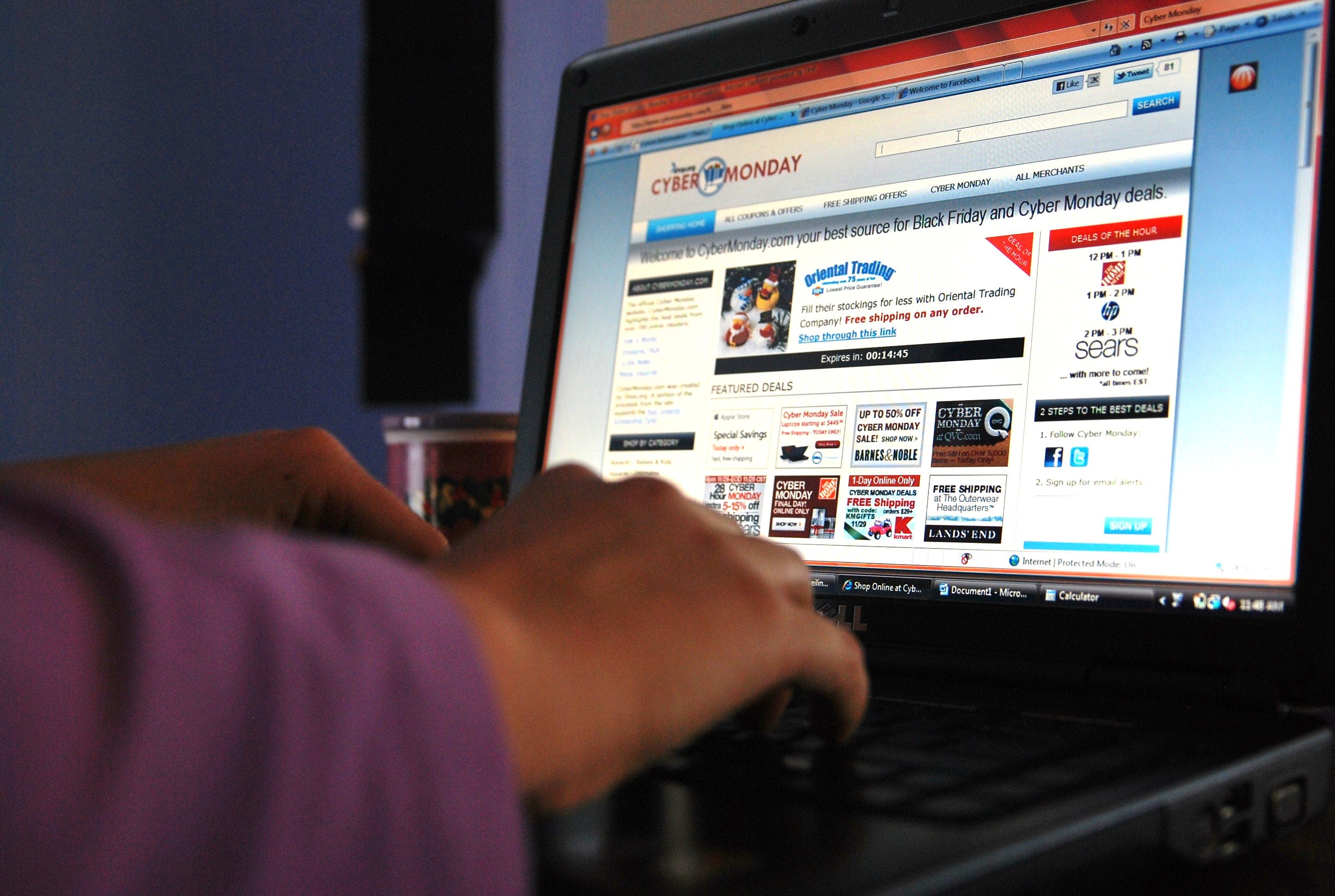
Cyber Monday, the Monday after Thanksgiving, means avoiding the crowds by shopping online. But it also opens you up to attacks from scammers and hackers, according to the Better Business Bureau (BBB).
Every year, more people head online rather than to the mall to get their holiday shopping done.
“You can’t beat shopping online for convenience, comfort and comparing prices,” said Paula Fleming, BBB spokesperson. “But don’t let your guard down. Take the necessary precautions to avoid fraudulent websites, scammers and other Grinches who would just love to ruin your holidays.”
BBB recommends these 10 tips for shopping online this holiday season:
1. Protect your computer – Your computer should always have the most recent updates installed for spam filters, anti-virus and anti-spyware software and a secure firewall.
2. Shop on trustworthy websites – Start at www.bbb.org to check on the seller’s reputation and record for customer satisfaction. It’s a good idea to look for the BBB logo and other widely recognized seals on retailer websites, but make sure they are real (some rogue sites plagiarize seals to look legitimate).
3. Protect your personal information – BBB recommends taking the time to read the site’s privacy policy and understand what personal information is being requested and how it will be used. If there isn’t one posted, take that as a red flag that personal information may be sold to others without permission.
4. Beware of deals that sound too good to be true – Offers on websites and in unsolicited e-mails can involve extremely low prices on hard-to-get items. You should always go with your instincts and not be afraid to pass up a “deal” that might cost you dearly in the end.
5. Beware of phishing – Legitimate businesses do not send e-mails claiming problems with your order or an account to lure you into revealing financial information. If you receive such an e-mail, BBB recommends picking up the phone and calling the contact number on the website where the purchase was made to confirm that there really is a problem with the transaction.
6. Confirm your online purchase is secure – You should always look in the address box for the “s” in https:// and in the lower-right corner for the “lock” symbol before paying. If there are any doubts about a site, BBB recommends right-clicking anywhere on the page and select “Properties.” This will let you see the real URL (website address) and the dialog box will reveal if the site is not encrypted.
7. Pay with a credit card – It’s best to use a credit card, because under federal law, you can dispute the charges if you don’t receive the item. You also have dispute rights if there are unauthorized charges on your credit card, and many card issuers have “zero liability” policies under which the cardholder pays nothing if someone steals the credit card number and uses it. If you are going to shop on classifieds web sites like Craigslist, never wire money and only buy locally where you can see the item before you hand over your money.
8. Keep documentation of your order - After completing the online order process, there may be a final confirmation page or you might receive confirmation by e-mail – BBB recommends saving a copy of the web page and any e-mails for future reference and as a record of the purchase.
9. Check your credit card statements often – Don’t wait for paper statements; BBB recommends that you check your credit card statements for suspicious activity by either calling credit card companies or by looking at statements online regularly.
10. Know your rights – Federal law requires that orders made by mail, phone or online be shipped by the date promised or, if no delivery time was stated, within 30 days. If the goods aren’t shipped on time, the shopper can cancel and demand a refund. There is no general three-day cancellation right, but you do have the right to reject merchandise if it’s defective or was misrepresented. Otherwise, it’s the company’s policies that determine if you can cancel the purchase and receive a refund or credit.
Get more local news delivered straight to your inbox. Sign up for free Patch newsletters and alerts.